On July 27, 2026, the Middle East witnessed another tense moment as Saudi Arabia announced it had successfully intercepted drones launched by Iran-backed militias in Iraq. These unmanned aircraft were targeting Saudi petroleum facilities, highlighting the ongoing regional instability that continues to affect global oil markets and international relations. For Miami’s vibrant Latin community with deep connections to global commerce and energy markets, understanding these Middle East tensions remains crucial.
Regional Tensions Continue Despite Diplomatic Progress
While mediators report significant progress in bringing the United States and Iran back to the negotiating table, scattered attacks across the region underscore the fragile nature of any potential ceasefire. The diplomatic efforts, led primarily by Qatar and Pakistan, aim to bridge the considerable gap between Washington and Tehran following weeks of escalating military exchanges.
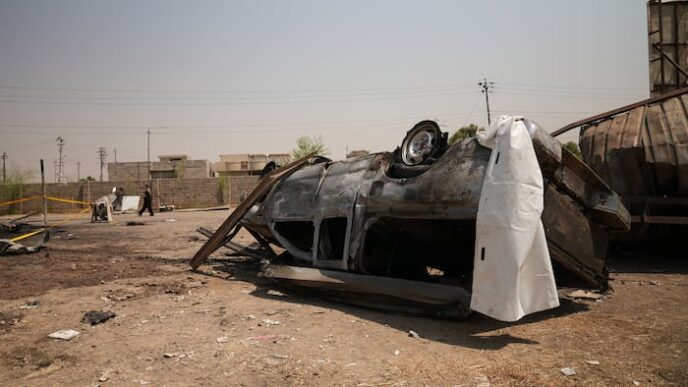
Iran-backed Houthi rebels in Yemen also claimed responsibility for attacks on Saudi oil facilities as part of what officials describe as a separate but interconnected conflict. Additionally, two drone attacks were reported against a Kurdish Iranian dissident group in Iraq, while Jordan confirmed shooting down two drones of undetermined origin. Fortunately, no casualties or significant damage were reported from these incidents.
“Mediators may convey messages to us from the American side, but there are no direct negotiations,” stated Esmail Baghaei, Iran’s Foreign Ministry spokesperson, during a news conference in Tehran on July 27, 2026.
Three-Day Pause in Major Hostilities Offers Hope
Neither the United States nor Iran reported conducting attacks for three consecutive days leading up to July 27, 2026, providing a welcome respite after approximately two weeks of sustained bombardments. This pause had raised increasing fears of a potential return to all-out war in the region, making the diplomatic breakthrough all the more significant for global stability.
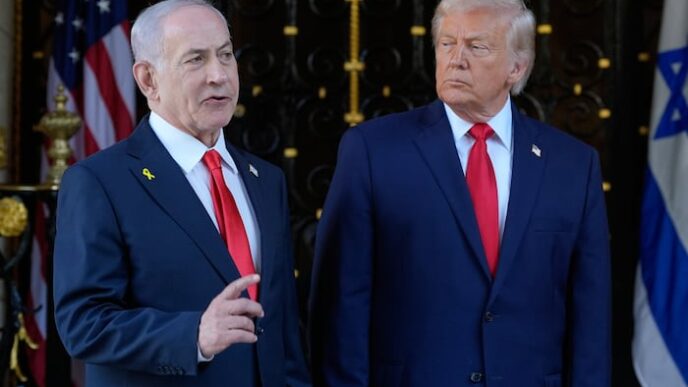
US President Donald Trump appears to be allowing space for diplomatic negotiations to proceed. Mike Waltz, the US Ambassador to the United Nations, confirmed this approach in recent statements.
- Qatar and Pakistan are leading mediation efforts between Washington and Tehran
- Negotiations focus on returning to an interim ceasefire deal that collapsed after recent exchanges of fire
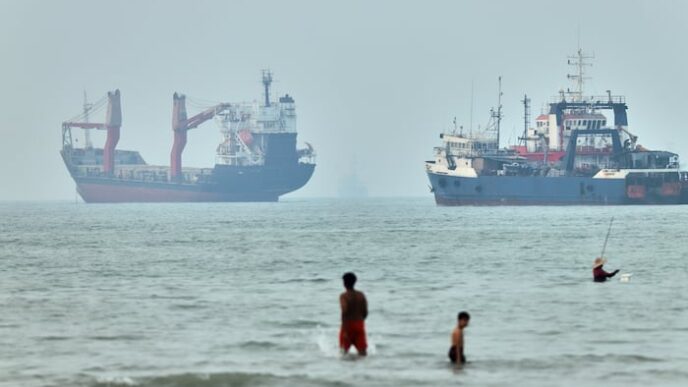
- The Strait of Hormuz, crucial for global oil shipments, remains a central flashpoint
- Iran and Oman have held discussions on managing vessel transit through the strategic waterway
- A US naval blockade against Iran continues, with multiple commercial ships redirected
Strait of Hormuz Remains Critical Concern
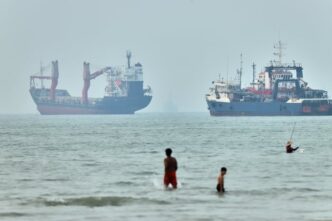
The Strait of Hormuz continues to be the epicenter of regional tensions, serving as a vital waterway for global oil shipments. Iran’s Foreign Ministry confirmed that discussions with Oman took place on July 25-26, 2026, focusing on mechanisms to ensure safe navigation while respecting sovereign rights of both coastal nations.
Tehran has maintained that the interim deal with the United States allows Iran to manage shipping through the waterway and potentially charge fees. The strait, which was previously open to all vessels without fees before the current conflict, remains closed according to Iranian officials. This closure directly impacts global energy markets and shipping routes that affect businesses and consumers worldwide, including many in Miami’s international trade sector.
Impact on Global Energy Markets
For Miami’s Latin community, many of whom work in international trade, logistics, and energy-related industries, these Middle East tensions carry significant economic implications. The US military confirmed on July 25, 2026, that its recently reimposed naval blockade against Iran continues, with a dozen commercial ships redirected, two disabled, and two boarded during operations.
The 60-day period established by the interim deal in mid-June 2026 is now well into its second half, and major issues that were meant to be negotiated, notably Iran’s nuclear program at the heart of regional tensions, have yet to be addressed. As diplomatic efforts continue, the international community watches closely, hoping for a peaceful resolution that could stabilize global energy markets and reduce tensions in this strategically vital region.
Miami residents with family connections throughout Latin America and the Caribbean understand how global conflicts can ripple across borders, affecting everything from fuel prices to international travel. Staying informed about these developing situations helps our community navigate an increasingly interconnected world.