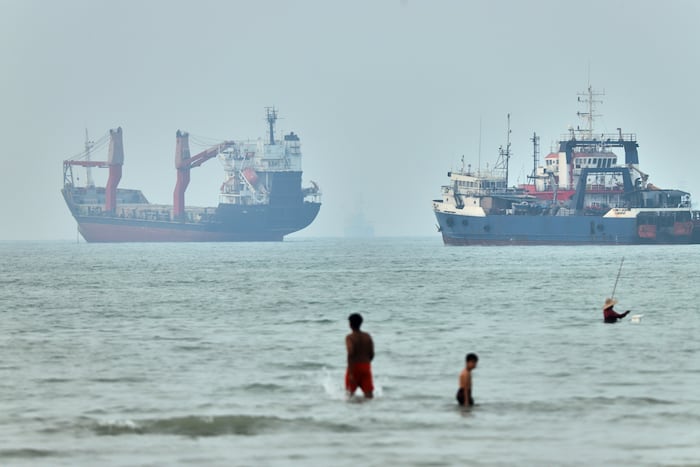
A cargo ship was struck by an unknown projectile in the Strait of Hormuz on August 4, 2026, escalating tensions in one of the world’s most critical shipping lanes. The incident occurred while diplomatic efforts between the United States and Iran continue to show conflicting signals, leaving global markets and Miami’s import-dependent economy watching closely.
The vessel reported being hit at approximately 2 a.m. local time, positioned 23 miles northeast of Al Khasab in Oman. The UK Maritime Trade Operations Center confirmed the strike but did not release details about the ship’s flag, cargo, or crew status. British maritime security firm Ambrey reported the ship suffered damage.
Why the Strait of Hormuz Matters to Miami
For Miami’s vibrant Latin community and thriving business sector, the Strait of Hormuz represents far more than a distant waterway. Before the current conflict began in February 2026, approximately one-fifth of the world’s oil and natural gas passed through this narrow passage at the mouth of the Persian Gulf.
The strait has been effectively shut down due to Iranian attacks on shipping and a U.S. blockade on Iranian ports. This disruption affects:
- Fuel prices at Miami gas stations
- Shipping costs for imported goods from Asia
- Energy bills for South Florida households
- Prices on everyday consumer products
Miami’s port, one of the busiest in the nation, relies on stable global shipping routes. Any prolonged closure of the Strait of Hormuz sends ripple effects through supply chains that ultimately reach local businesses and families.
Qatar Steps In as Peace Mediator
Despite conflicting narratives from Washington and Tehran, Qatar confirmed on August 4 that mediation efforts are actively underway between the two nations.
“We’re looking into a diplomatic solution,” said Qatari Foreign Ministry spokesman Majed al-Ansari during a briefing, though he declined to elaborate on specifics.
The diplomatic situation remains complicated. President Donald Trump previously threatened massive strikes on Iran before Gulf allies including Qatar, Saudi Arabia, and the United Arab Emirates urged restraint. On August 3, Trump announced talks were resuming, but Iran insisted it was only communicating with Oman about establishing a shipping route.
US Officials Signal Cautious Optimism
Senior American officials struck a hopeful tone regarding potential breakthroughs. Secretary of State Marco Rubio told reporters that progress has been made in talks between Iran and Oman, adding “but not finality yet.”
Treasury Secretary Scott Bessent offered an even more optimistic assessment in a CNBC interview:
- A deal to reopen the strait could come within days
- Normalization of the conflict appears possible
- Economic pressures are pushing all parties toward resolution
For Miami residents concerned about rising costs, any deal to reopen the Strait of Hormuz would provide relief. Energy prices directly impact everything from groceries to rideshare fares across South Florida.
Regional Tensions Remain High
The Strait of Hormuz strike comes amid continued instability across the Middle East. Yemen’s Houthi rebels, backed by Iran, claimed they fired at a Saudi Arabian airport on the same day. The Iranian-backed group has consistently targeted regional infrastructure throughout the conflict.
Meanwhile, a mass funeral was held in Gaza City for 112 Palestinians whose bodies were recovered nearly three years after Israeli airstrikes destroyed a residential block in November 2023. The ongoing humanitarian crisis continues to fuel regional tensions that complicate diplomatic efforts.
In Beirut, Lebanon, a memorial service marked another anniversary of the devastating 2020 port explosion, reminding the region of its fragility and the interconnected nature of Middle Eastern conflicts.
What Miami Residents Should Watch
For South Florida’s Latin community, these developments warrant attention for several practical reasons:
- Gas prices: Monitor fuel costs as Strait of Hormuz negotiations progress
- Travel plans: Flights to Europe and Asia may see route changes or price fluctuations
- Investment portfolios: Energy stocks and international funds may experience volatility
- Import businesses: Prepare for potential shipping delays and cost increases
The coming days will prove crucial. If Treasury Secretary Bessent’s optimism proves warranted, Miami could see relief at the pump and in shipping costs. However, the cargo ship strike demonstrates that risks remain elevated in this vital waterway.
Stay informed as this developing story unfolds. The decisions made in diplomatic rooms thousands of miles away will ultimately affect daily life in Miami’s neighborhoods, from Doral to Little Havana to Brickell.