The Middle East conflict intensified dramatically on July 29, 2026, as Iran launched a barrage of missiles targeting American forces while the United States partnered with Saudi Arabia to strike Tehran-backed militias in Iraq. For Miami’s vibrant Latin community, many of whom maintain strong ties to global affairs and feel the economic ripples of international events, understanding these developments is crucial for planning ahead.
What Happened in the Middle East on July 29
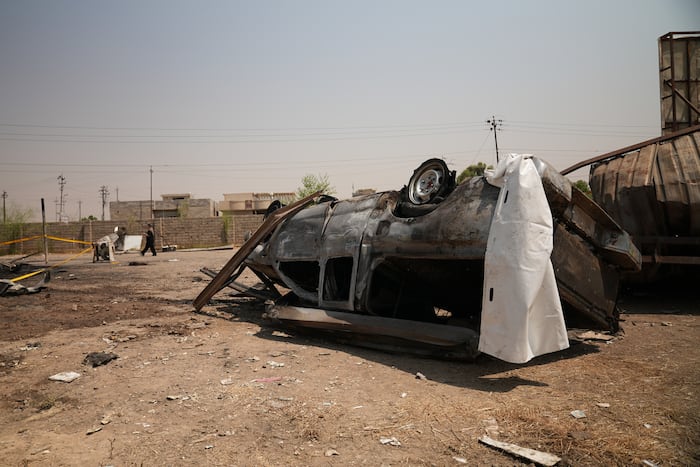
In a significant escalation after several days of relative calm, Iran’s Revolutionary Guard fired ballistic missiles at Jordan’s Muwaffaq Salti Air Base, a critical American military hub in the region. Jordan’s military successfully intercepted and destroyed five Iranian missiles, with no reported casualties or damage. Meanwhile, American and Saudi fighter aircraft responded by striking multiple logistics and weapons sites in eastern Iraq.
The strikes on Iraq resulted in at least 20 fighters killed and 32 wounded among the Popular Mobilization Forces, a coalition of primarily Shiite, Iran-backed armed groups. Two Iraqi militia officials confirmed that six Iranian advisers were also among the casualties, marking a serious escalation in the ongoing conflict.
“It’s going to be straightening out. In the meantime, we’re going to be hitting them very hard because it’s our turn to hit them. They know it’s coming,” President Trump stated during an Oval Office event when asked about the situation.
New Attacks Target Egyptian Port
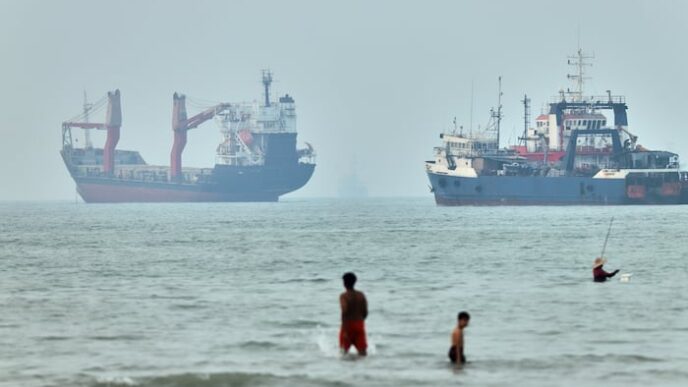
Adding another layer of complexity to the Middle East conflict, drone strikes ignited fires on two natural gas vessels at the Egyptian port of Damietta on the same day. According to Ambrey, a British maritime security firm, the attacks targeted a U.S.-owned floating storage facility and a Greek-owned tanker. Fortunately, no injuries were reported, but the incident represents a significant development.
Egypt has been one of the only countries in the Middle East spared from direct military action during this five-month conflict. The country serves as a close U.S. ally and regional mediator, making any attack on its territory a potential game-changer in the broader Middle East conflict dynamics.
How This Affects Miami and South Florida
For residents of Miami and South Florida, the immediate impact of the Middle East conflict can be felt at the gas pump. The renewed hostilities sent oil prices spiking, with Brent crude jumping 3.1% to $84.58 a barrel. This increase will likely translate to higher fuel costs in the coming weeks, affecting everything from daily commutes to the cost of goods at local stores.
Here are the key ways this Middle East conflict may impact our community:
- Rising gas prices expected at South Florida stations within days
- Potential increases in shipping costs affecting imported goods
- Travel advisories for those with family in affected regions
- Economic uncertainty affecting investment markets
- Continued strain on global energy supplies
The Path Forward: Diplomatic Efforts Continue
Despite the escalation, regional officials indicate that mediators are still working with both sides to restore calm and get ceasefire negotiations back on track. Before this latest eruption in the Middle East conflict, there had been optimism about bringing the U.S. and Iran back to the negotiating table. However, an interim agreement collapsed in recent weeks over renewed fighting in the Strait of Hormuz, a crucial waterway for global energy supplies.
The Strait of Hormuz situation remains particularly concerning, as Iranian attacks have effectively closed this critical passage for global energy trade. This disruption continues to affect worldwide oil distribution and contributes to the economic uncertainty many Miami families are experiencing.
Staying Informed and Prepared
For Miami’s Latin community, staying informed about the Middle East conflict means being prepared for potential economic fluctuations while maintaining hope for diplomatic solutions. Many local families have relatives serving in the military or working in industries directly affected by global energy prices, making these distant events feel very personal.
As the situation continues to develop, South Florida residents should consider monitoring fuel prices, reviewing travel plans to affected regions, and staying connected with reliable news sources. The Middle East conflict, now in its fifth month, has already jolted the world economy and shows the interconnected nature of our global community.
Miami remains a city of resilience and hope, and our diverse community has always found ways to support one another through challenging times. As we watch these international events unfold, we continue to hope for peaceful resolution while preparing practically for whatever comes next.