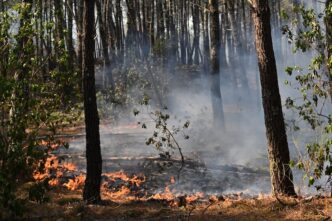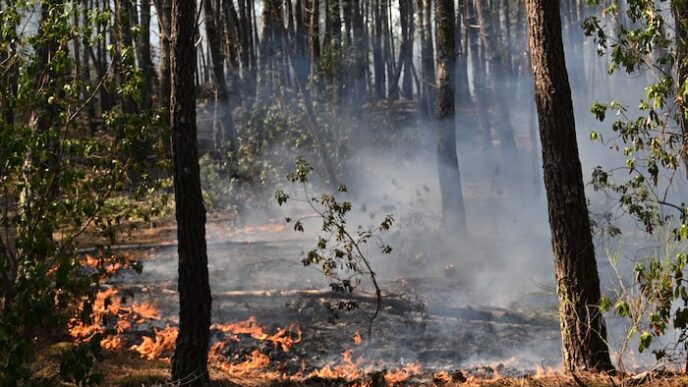
For Miami travelers with summer plans in France, a developing emergency situation demands attention. On July 28, 2026, French authorities expanded evacuation orders as a massive wildfire continues to threaten the Atlantic coast region west of Bordeaux, creating what officials describe as potentially the largest civilian evacuation in the country’s peacetime history.
Understanding the Scope of This Historic France Wildfire
The blaze burning through the Gironde region has already consumed an area four times the size of Paris, forcing approximately 220,000 people to flee their homes and vacation accommodations. French Interior Minister Laurent Nuñez confirmed this represents a historic moment, calling it “very likely” the largest civilian evacuation operation ever conducted in France outside of wartime conditions.
Nearly 4,000 additional people received evacuation orders on July 28, primarily affecting tourists staying at popular Atlantic coast destinations. The evacuation zone encompasses campsites, holiday villages, tourist residences, and leisure parks surrounding the resort town of Lacanau.
“We are at a point of fragility. We will continue attacking this fire despite the forecast rise in temperatures,” stated Eric Brocardi, spokesperson for France’s national firefighters federation.
What Travelers to France Should Know Right Now
The France wildfire situation presents significant challenges for anyone with travel plans to the southwestern region. Here are the key details Miami travelers need to consider:
- The A63 highway remains partially closed in affected areas
- Rail traffic south of Bordeaux has been suspended, except routes toward Toulouse
- More than 420 square kilometers (162 square miles) have burned in the Gironde region alone
- Temperatures are forecast to reach 33 to 35 degrees Celsius (91 to 95 Fahrenheit)
- Ninety-three firefighters have been injured battling the blaze
- Approximately 150 homes were destroyed in the town of Le Porge alone
Firefighters managed to stabilize the France wildfire overnight, bringing flare-ups near coastal dunes under control. However, authorities emphasize the situation remains precarious rather than resolved. Rising temperatures and falling humidity levels could trigger fresh outbreaks along the fire’s extensive perimeter at any moment.
A Broader European Crisis Unfolds
This devastating France wildfire is part of a larger emergency affecting southern Europe. Across France and Spain combined, roughly 330,000 people have been displaced from their homes and vacation properties by fires of exceptional magnitude. Spain is bracing for its fourth heat wave of the summer season, with several blazes still burning out of control, including the largest wildfire in the country’s recorded history.
The European continent is experiencing unprecedented warming patterns. According to the European Union’s Copernicus climate service, Europe is heating at more than twice the global average rate. Western Europe recorded its hottest June on record, with extreme heat and widespread dry conditions fueling the spread and intensification of fires across multiple countries.
The Unprecedented Nature of This Blaze
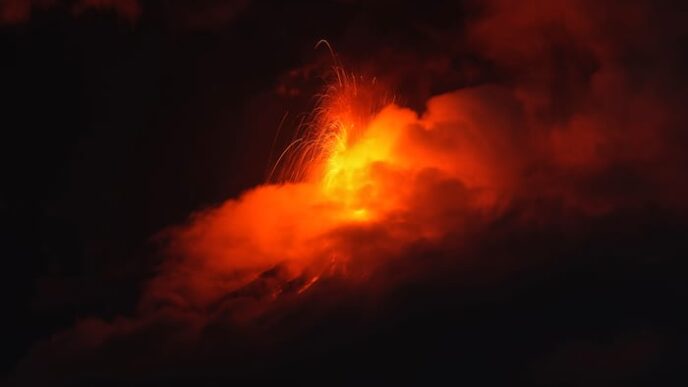
What makes this particular France wildfire especially concerning is its unpredictable behavior. The fire has transformed at times into a self-feeding firestorm, generating a massive electrified thundercloud above it. This phenomenon produced lightning strikes, violent winds, and sparked new fires beyond the original blaze perimeter, marking the first recorded instance of such behavior in France.
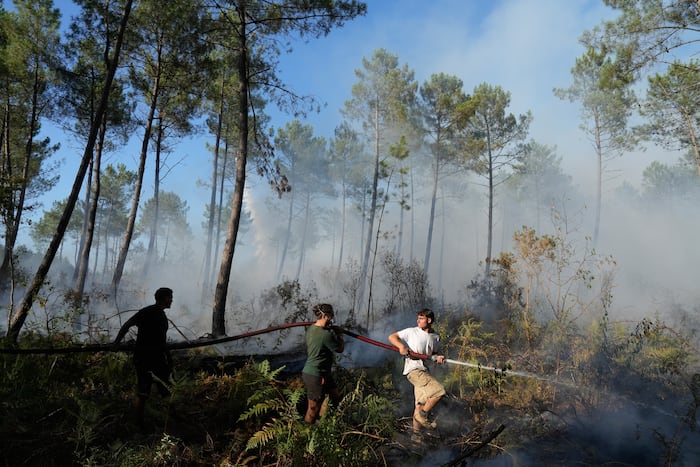
Military engineers and forest-fire prevention crews have been working around the clock, cutting firebreaks totaling 103 kilometers (64 miles) to contain the advancing flames. More than 1,160 square kilometers have burned across France in 2026 alone, according to the Interior Ministry.
Some Relief Emerges in Neighboring Region
In a positive development, approximately 15,000 evacuees in the neighboring Landes department were permitted to return home after a separate wildfire stopped its advance. French President Emmanuel Macron announced on July 27 that the Landes fire had been “fixed,” meaning its spread had been halted with no new fire starts detected.
Residents of Sanguinet, Parentis-en-Born, and Biscarrosse’s aviation village were among those allowed to return. However, officials continue urging caution as smoldering vegetation combined with rising temperatures could reignite flames at any time.
For Miami’s Latin community with connections to France or upcoming European travel plans, staying informed about this evolving France wildfire situation remains essential. Check with airlines and travel providers for the latest updates before departing, and consider travel insurance that covers natural disaster-related disruptions.