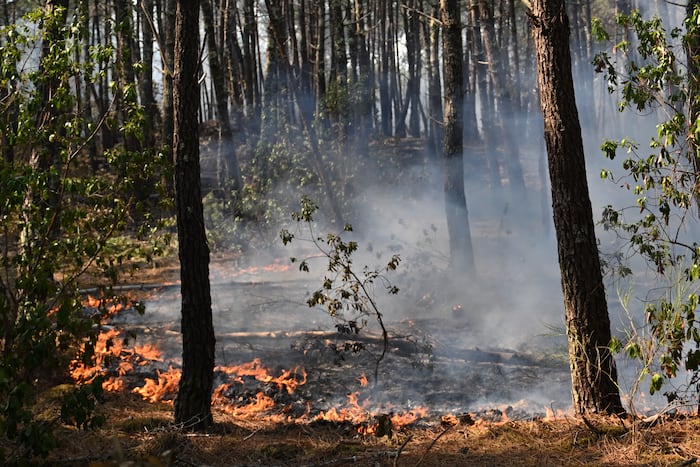
A catastrophic wildfire emergency is unfolding across Southern Europe, stretching from the Atlantic coast to the eastern Mediterranean. On July 29, 2026, the crisis reached a tragic milestone when three firefighters lost their lives battling flames on the Greek island of Crete, while France continues to confront an unprecedented blaze that has consumed an area four times the size of Paris.
For Miami residents with family ties to Europe or those planning summer travels, this devastating situation serves as a stark reminder of how climate change is reshaping travel destinations and communities worldwide. The Southern Europe wildfires have forced approximately 330,000 people to evacuate their homes and vacation sites across France and Spain at the peak of the crisis.
France Faces Its Largest Peacetime Evacuation
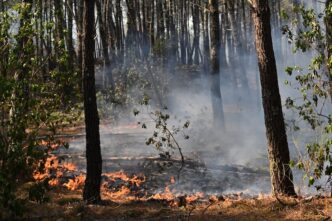
The Gironde region in southwest France has become ground zero for the country’s most significant wildfire battle. Authorities reported that while the massive blaze did not spread during a calm night, temperatures approaching 104 degrees Fahrenheit and strengthening winds threatened to reignite the inferno on July 29.
The scale of displacement has been staggering. At the height of evacuations, 220,000 people were forced to flee the Gironde area alone. While tens of thousands have been permitted to return to three Bordeaux suburbs that remained untouched by fire, the danger persists for countless others.
“The situation remains complicated. That’s clear. We’re not out of the woods,” stated Gironde prefect Sophie Brocas, who ordered an additional 4,000 people to evacuate tourist sites along the Atlantic coast.
Heroic Efforts to Combat the Southern Europe Wildfires
More than 2,200 firefighters supported by over 20 aircraft remain mobilized in the affected regions. International cooperation has brought crews from across France and European partner nations to join the battle against the flames.
The response strategy has been aggressive and coordinated. Gironde fire commander Matthieu Jomain described their approach clearly, explaining that teams strike quickly and strike hard at any new smoke emissions detected in the area.
Community Members Join the Fight
Beyond professional emergency responders, local civilians have stepped up in remarkable ways to protect their communities from the Southern Europe wildfires:
- Volunteers are flooding the edges of dirt tracks to create firebreaks
- Local equipment operators are plowing through still-burning soil to prevent flame spread
- Residents in Lacanau are pumping water from lakes into tanks for firefighting efforts
- Citizens from neighboring towns are driving in to assist wherever needed
One volunteer, 33-year-old Flavien Dubuch, drove from Saint-Emilion with his father to help. He expressed the community spirit perfectly, noting that if fire ever starts in his neighborhood, he knows all these people would do the same for them.
What Caused This Devastating Blaze
Investigators believe the Gironde inferno may have started during routine brush-clearing work near a high-voltage power line. Despite the work apparently complying with regulations, the extremely dry conditions made the landscape dangerously combustible.
The environmental conditions fueling these Southern Europe wildfires are alarming. France’s national weather service declared July 29 the hottest and driest day of the week, with elevated wildfire danger across every region of the country. Drought conditions now cover mainland France and Corsica, with soil moisture approaching record lows last seen in August 2022.
Impact on Travel and Tourism Season
For Miami families considering European summer vacations, this crisis highlights the importance of monitoring travel advisories and having flexible plans. The disruption has spread beyond the burn zones into Bordeaux’s peak tourism season, affecting vineyards, coastal resorts, and cultural destinations.
The smoke from the Gironde and Landes fires has pushed air quality to concerning levels across both departments, adding health considerations for travelers with respiratory sensitivities. Regional authorities continue to assess conditions daily, with the situation remaining dynamic as weather patterns shift.
This wildfire emergency across Southern Europe underscores the growing challenges that climate change presents to beloved travel destinations. As temperatures continue to rise globally, these extreme weather events may become more frequent, reshaping how we plan and experience international travel.