A historic mutual defense agreement between Saudi Arabia, Turkey, and Pakistan was signed on August 7, 2026, connecting the three largest Muslim-majority nations under one security umbrella for the first time. This groundbreaking pact stipulates that an armed attack on any of the three countries will be considered an attack against all of them, fundamentally reshaping the strategic landscape of the Middle East.
For Miami’s vibrant Latin community with deep connections to global affairs, this Saudi-Turkey-Pakistan defense pact represents a significant shift in international alliances. The agreement brings together oil-rich Saudi Arabia, nuclear-armed Pakistan, and Turkey, which boasts NATO’s second-largest military force and a rapidly expanding defense industry.
Historic Signing Ceremony in Saudi Arabia
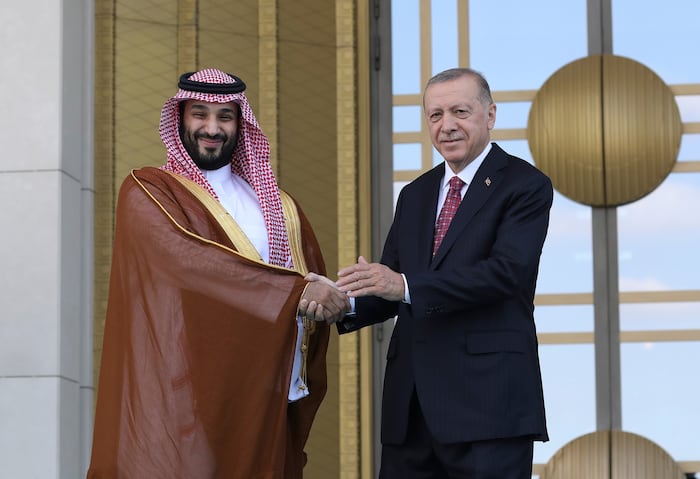
The mutual defense agreement was formalized during a high-level meeting in Saudi Arabia. Saudi Crown Prince Mohammed bin Salman hosted Turkish President Recep Tayyip Erdogan and Pakistan Prime Minister Shehbaz Sharif for the landmark ceremony.
Pakistan’s foreign ministry confirmed the details in an official statement, emphasizing the unprecedented nature of this trilateral security arrangement. The agreement marks a new chapter in Middle Eastern geopolitics, creating a powerful bloc of nations with combined military and economic resources.
The ministry stated that the agreement is intended to strengthen collective deterrence against any act of aggression. This language signals a clear message to potential adversaries in the region about the consequences of military action against any signatory nation.
Strategic Implications for Global Security
The timing of this Saudi-Turkey-Pakistan defense pact is particularly significant. Saudi Arabia has been actively seeking to diversify its defense partnerships following attacks on critical infrastructure and oil facilities as part of ongoing regional conflicts.
Turkey brings considerable military expertise to this alliance. With NATO’s second-largest standing army and a defense industry that has grown substantially in recent years, Ankara provides crucial conventional military capabilities and technological know-how.
Pakistan contributes its nuclear deterrent to the equation, making this the first mutual defense agreement that potentially extends a nuclear umbrella over Saudi Arabia. This development could have profound implications for regional security calculations and power dynamics.
Regional Tensions Continue to Escalate
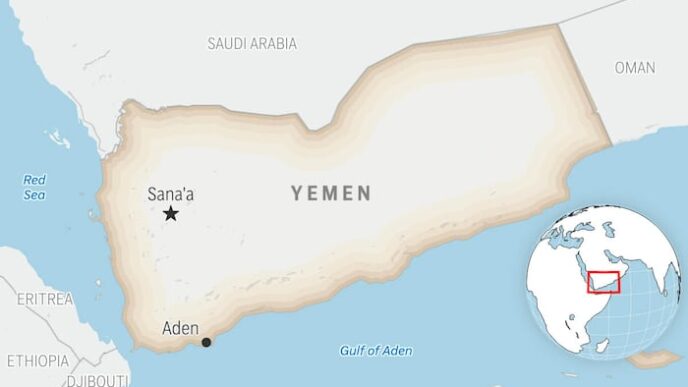
The defense pact comes amid heightened tensions in the region. Iran-backed Houthi rebels launched attacks on Marib province in eastern Yemen on August 7, 2026, targeting what they described as Saudi-backed military positions.
According to Qassem Bahaibah, health minister in Yemen’s internationally recognized government, the attacks targeted a refugee camp and residential areas. The strikes killed at least two people and injured 14 others, including civilians caught in the crossfire.
Houthi military spokesperson Yahya Saree claimed responsibility for targeting a Saudi-backed military camp in Marib. The rebels used drones and missiles to destroy storage facilities and military equipment, escalating their campaign against Saudi-aligned forces.
Direct Attacks on Saudi Territory
The Houthi aggression extended beyond Yemen’s borders. On August 6, 2026, the rebel group struck the Najran region in southwestern Saudi Arabia near the Yemeni border, according to Major General Turki al-Malki, official spokesperson of the Saudi-led Coalition.
The attack wounded 11 civilians, including a woman and a child who suffered second-degree burns. Al-Malki condemned what he called indiscriminate shelling against civilian objects, highlighting the humanitarian cost of the ongoing conflict.
These attacks represent a major escalation since a 2022 truce largely halted fighting between the Iran-backed Houthis and the Saudi-led coalition allied with Yemen’s internationally recognized government. The renewed violence underscores the fragility of peace efforts in the region.
Tensions Flare in Lebanon
Meanwhile, the security situation in Lebanon remains volatile. The Lebanese army reported that a soldier was wounded on August 7, 2026, while operating a bulldozer to open roads in the southern village of Mansouri.
The incident followed Israeli shelling in Mansouri earlier in the week. The Israeli army had launched strikes in southern Lebanon in response to what it described as Hezbollah’s violation of the ceasefire agreement.
Israel issued its first warning to residents of Mansouri to evacuate in weeks, signaling potential further military action. The Lebanese state news agency confirmed the escalating situation, though the Israeli military has not commented on the soldier’s injury.
What This Means for Miami’s Global Community
For Miami residents with business interests, family connections, or travel plans involving the Middle East, this trilateral defense agreement represents a significant geopolitical shift worth monitoring. The pact could influence oil prices, regional stability, and international relations for years to come.
Miami serves as a gateway between Latin America and the world, with many residents maintaining close ties to global developments. Understanding these strategic realignments helps our community stay informed about events that could affect everything from energy costs to international travel.
The Saudi-Turkey-Pakistan defense pact creates a new power center in the Muslim world, potentially balancing other regional alliances and changing the calculus for international diplomacy. Business leaders and investors in Miami’s diverse economy should pay attention to how this agreement develops.
Looking Ahead: Future Implications
Analysts suggest this mutual defense agreement could encourage other nations to seek similar security arrangements, potentially reshaping alliance structures across the Middle East and South Asia. The combination of Saudi financial resources, Turkish military industry, and Pakistani nuclear capabilities creates a formidable bloc.
The agreement also sends a message to Iran, whose proxies continue aggressive actions throughout the region. Whether this new alliance will deter further attacks or escalate tensions remains to be seen in the coming months.
For now, the world watches as three major powers formalize their commitment to collective defense. The Saudi-Turkey-Pakistan defense pact of 2026 may well be remembered as a turning point in Middle Eastern security architecture, with implications reaching far beyond the region’s borders to affect global stability and economic conditions worldwide.
The Agreement is intended to strengthen collective deterrence against any act of aggression.
This statement from Pakistan’s foreign ministry encapsulates the purpose behind this unprecedented alliance, marking a new era in international security cooperation among the world’s largest Muslim-majority nations.