The Ukraine air defense crisis reached a critical point on August 8, 2026, when Russian strikes claimed four lives in Kyiv and its surrounding region, including a three-year-old child. This devastating attack highlights the growing vulnerability of Ukrainian civilians as air defense systems struggle to intercept incoming missiles and drones.
For Miami’s vibrant Latin community, many of whom have fled conflict zones or have family members affected by global instability, understanding the Ukraine air defense crisis provides crucial context about international security dynamics that could impact everything from energy prices to immigration patterns.
Deadly Overnight Strikes Target Kyiv Region
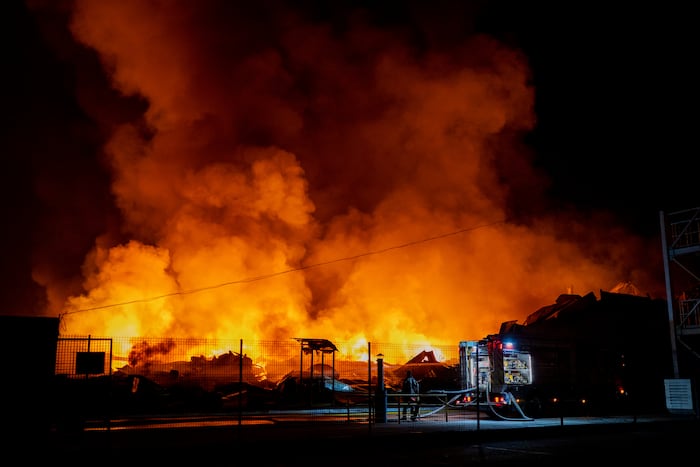
The overnight assault on August 8, 2026, brought tragedy to the Brovary district northeast of the Ukrainian capital. Multiple Russian drones obliterated a family home, killing a young boy along with his grandparents.
Three additional family members and a neighbor who rushed to help were hospitalized with injuries. The attack reduced the residence to rubble while destroying surrounding outbuildings and vehicles.
Ukrainian President Volodymyr Zelenskyy confirmed that at least one more person died in a separate strike involving six ballistic missiles targeting civilian infrastructure in the capital city itself.
Air Defense Systems Struggle Against Russian Barrage
Ukraine’s military reported intercepting 135 of 151 drones launched by Russia during the overnight attack. While this represents a significant defensive effort, the assault also included six ballistic missiles and additional guided missiles.
The statistics reveal a troubling pattern in the Ukraine air defense crisis. According to Ukraine’s defense ministry, air defenses shot down approximately 5,300 drones and missiles in the previous month.
However, this figure represents just under 60 percent of the roughly 9,000 attack drones and missiles Russia fired during the same period. The gap leaves thousands of projectiles reaching their targets monthly.
Critical Patriot Missile Shortage Exposes Vulnerabilities
At the heart of the Ukraine air defense crisis lies a severe shortage of Patriot air defense interceptors. These American-made missiles represent the only weapon in Ukraine’s arsenal capable of shooting down ballistic missiles.
President Zelenskyy revealed that deliveries of Patriot interceptors have slowed significantly compared to previous years. Speaking from Belgrade, he stated that monthly supplies in 2026 have decreased from 2025 levels.
Moscow has strategically exploited this critical shortage, launching ballistic missile attacks with increasing frequency knowing that Ukraine lacks sufficient countermeasures.
Read more: Global Security Trends Affecting Miami’s International Community
Domestic Production Plans Stuck in Bureaucracy
While Washington has agreed to allow Ukraine to manufacture its own Patriot air defense interceptors, bureaucratic obstacles have stalled progress. Zelenskyy expressed frustration during his press conference about these delays.
The licensing process for domestic production is taking longer than anticipated. This paperwork bottleneck prevents Ukraine from addressing its ammunition shortages through local manufacturing.
Without faster processing of these manufacturing licenses, Ukraine remains dependent on foreign supplies that continue diminishing amid competing global demands, including those created by regional conflicts.
Historic Diplomatic Visit to Serbia
President Zelenskyy’s comments came during his first official visit to Serbia, arriving in Belgrade on August 7, 2026. This marked the first visit by a Ukrainian president to Serbia in eight years.
Serbian President Aleksandar Vucic described Ukraine as a friendly nation and expressed honor at welcoming the Ukrainian leader despite Serbia’s historically close ties with Moscow.
Vucic has maintained relationships with Russia and refused to impose sanctions over the invasion. However, he reiterated that Serbia respects Ukraine’s territorial integrity and that this position would not change.
The two leaders discussed their respective efforts toward European Union membership, bilateral relations, and opportunities for expanded cooperation between their nations.
Russia Continues Targeting Civilian Areas
Despite Moscow’s insistence that its forces target only military facilities, the pattern of attacks tells a different story. Russia has relentlessly pounded civilian areas throughout its four-year full-scale invasion of Ukraine.
Kyiv residents face regular drone and missile barrages as part of their daily reality. The depleted state of Ukraine’s air defenses means these attacks increasingly reach their intended targets.
Meanwhile, Ukrainian forces have responded by striking Russian oil facilities. These attacks have caused fuel shortages within Russia and rattled the population, demonstrating that the conflict’s impact extends beyond Ukrainian borders.
International Implications and Appeal for Support
Zelenskyy has pleaded with other countries, particularly the United States, to send additional Patriot ammunition. The Iran conflict has made this ammunition scarcer on the global market.
Alternative solutions being explored include producing Patriot ammunition domestically in Ukraine or obtaining permission from Elon Musk to use his Starlink satellite communications system for guiding strikes inside Russia against missile launchers.
Following the latest attacks, Zelenskyy appealed on social media for increased sanctions to prevent the production of ballistic missiles, highlighting the need for international economic pressure on Russia.
Why This Matters to Miami’s Community
Miami serves as home to one of the most diverse international communities in the United States. The city’s Latin population includes many who have experienced conflict or political instability firsthand.
Understanding the Ukraine air defense crisis helps contextualize global security dynamics that affect oil prices, international trade, and immigration patterns. Energy market fluctuations caused by the conflict directly impact fuel costs in South Florida.
Additionally, Miami has welcomed Ukrainian refugees since the conflict began. The ongoing crisis ensures continued displacement and potential future arrivals to the region.
For families with relatives in Europe or those monitoring international affairs, staying informed about developments in Ukraine provides crucial perspective on an evolving global situation.
Humanitarian Concerns Mount
The death of a three-year-old child alongside his grandparents underscores the human cost of the ongoing conflict. Civilian casualties continue mounting as air defense capabilities prove insufficient.
International humanitarian organizations have expressed growing concern about the protection of civilian populations in conflict zones. The Ukraine air defense crisis represents a broader challenge facing modern warfare.
As missile and drone technology advances, defensive systems struggle to keep pace. This technological gap places millions of civilians at risk in the Ukrainian conflict and potentially in future conflicts worldwide.
What is causing Ukraine’s air defense crisis?
Ukraine’s air defense crisis stems from a critical shortage of Patriot missile interceptors, the only weapons capable of shooting down Russian ballistic missiles. Deliveries have slowed in 2026 compared to 2025, while Russia continues launching thousands of drones and missiles monthly.
How many Russian attacks is Ukraine intercepting?
Ukraine’s air defenses intercepted approximately 5,300 drones and missiles in the past month, representing just under 60 percent of the roughly 9,000 attack drones and missiles Russia launched during the same period.
Can Ukraine manufacture its own Patriot missiles?
Washington has agreed to allow Ukraine to manufacture Patriot air defense interceptors domestically. However, the process remains stalled due to lengthy bureaucratic procedures and licensing requirements.
Why was Zelenskyy visiting Serbia during the attacks?
President Zelenskyy made his first official visit to Serbia to discuss European Union membership efforts, bilateral ties, and expanded cooperation. It marked the first visit by a Ukrainian president to Serbia in eight years.