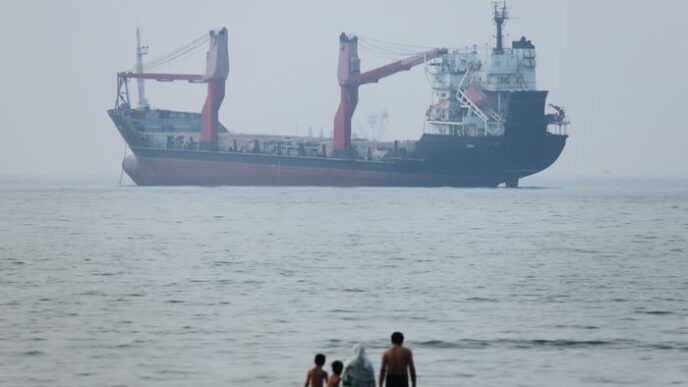
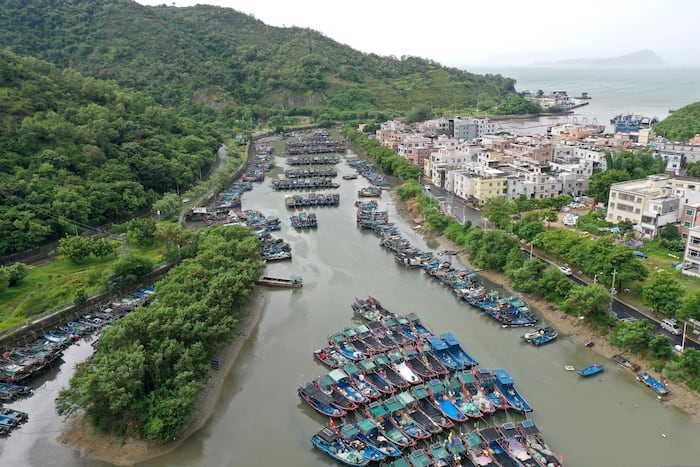
For Miami residents with travel plans to Asia or family connections in China, the latest weather developments in the Pacific demand attention. On July 26, 2026, Typhoon Noul made landfall along the coast of southern China, bringing powerful winds and torrential rainfall before weakening to a tropical storm as it moved inland. The storm’s impact has disrupted travel, displaced hundreds of thousands of residents, and caused significant damage across multiple regions.
Typhoon Noul’s Path and Immediate Impact
Typhoon Noul struck southern China with considerable force, marking the third major typhoon to make landfall in the country within just one month, following Bavi and Maysak. Chinese state media reported that Noul was the strongest typhoon to hit China so far in 2026, underscoring the severity of this year’s storm season in the Pacific region. The provinces of Guangdong and Fujian bore the brunt of the storm’s fury, experiencing heavy rainfall that prompted emergency responses from authorities.
The scale of evacuations speaks to the storm’s seriousness. More than 801,000 people were relocated for safety in Guangdong province alone, according to official reports from Xinhua News Agency. China’s Ministry of Water Resources upgraded its flood-control emergency response due to high risks of mountain floods in the affected areas. These precautionary measures highlight the ongoing threat that typhoon season poses to coastal communities throughout Asia.
China’s National Development and Reform Commission allocated 100 million yuan, approximately $14.8 million, to support recovery efforts in typhoon-hit Guangdong province.
Travel Disruptions: What You Need to Know
For Miami’s vibrant community of international travelers and business professionals with connections to Asia, the typhoon’s impact on transportation infrastructure is particularly relevant. Hong Kong’s airport authority reported approximately 350 flight cancellations on July 26, 2026, leaving around 2,000 passengers stranded at the airport over the weekend. If you have upcoming travel plans to Hong Kong, Guangdong, or surrounding regions, here’s what you should consider:
- Check with your airline for the latest flight status and rebooking options
- Monitor weather updates from official Chinese meteorological services
- Consider travel insurance that covers weather-related disruptions
- Stay connected with family members in affected areas through messaging apps
- Keep emergency contact information for your country’s consulate readily available
At least 21 people were injured across Hong Kong during the typhoon period, according to local authorities. While the storm has since weakened, the aftermath continues to affect daily life and travel in the region.
Regional Impact Beyond China
Typhoon Noul’s destructive path extended beyond Chinese borders before making landfall. In the Philippines, the storm claimed at least three lives and displaced many residents due to flooding and heavy rainfall as the system moved across the archipelago. The government’s disaster-response agency coordinated relief efforts for affected communities. Taiwan also experienced heavy rainfall as Noul passed south of the island, though the typhoon did not make direct landfall there.
These broader regional impacts serve as a reminder of how interconnected weather systems affect multiple countries simultaneously. For Miami’s large Filipino and Asian communities, staying informed about conditions in home countries during typhoon season remains essential for maintaining family connections and planning visits.
Separate Disaster Strikes Northwestern China
In a separate weather-related tragedy on the same day, a flash flood in northwestern China’s Gansu province claimed at least 10 lives and injured 23 others. The sudden deluge struck a scenic area in Weiyuan county during the afternoon, trapping tourists who were camping in the region. Search-and-rescue operations continued as authorities worked to locate any remaining missing persons.
This incident, while unrelated to Typhoon Noul, underscores the unpredictable nature of severe weather events and the importance of staying informed about conditions when traveling to any destination. For adventure travelers from Miami planning outdoor excursions abroad, monitoring local weather forecasts and heeding official warnings can be lifesaving precautions.
Staying Prepared During Pacific Typhoon Season
As Miami residents know all too well from hurricane season in the Atlantic, powerful storms require preparation and respect. The Pacific typhoon season typically runs from May through November, with peak activity occurring between July and October. For those with travel plans to Asia during these months, understanding the risks and having contingency plans in place is essential for a safe and enjoyable trip.
Whether you’re visiting family, conducting business, or exploring new destinations, staying connected to reliable weather information and maintaining flexibility in your travel arrangements will help you navigate any unexpected disruptions. The recovery efforts in southern China following Typhoon Noul continue, and the resilience of affected communities serves as an inspiration for all who face nature’s most powerful forces.