For Miami’s vibrant Cuban community, news from the island carries profound significance, and the latest development has sparked conversations across Little Havana and beyond. On July 26, 2026, Cuba held its traditional rally commemorating one of the revolution’s most pivotal anniversaries, but this year marked an unprecedented moment: former President Raul Castro, now 95 years old, was conspicuously absent from the historic event for the first time in at least three decades.
A Historic Absence That Speaks Volumes
The annual July 26 celebration honors the 1953 assault led by brothers Fidel and Raul Castro on the Moncada and Carlos Manuel de Cespedes barracks in Cuba’s eastern region. While that military action against former dictator Fulgencio Batista ultimately failed, it ignited the revolutionary struggle that would culminate on January 1, 1959. For the Cuban diaspora in Miami, this date represents a complex chapter in their family histories and the story of why many made the journey to South Florida.
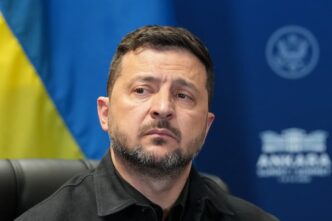
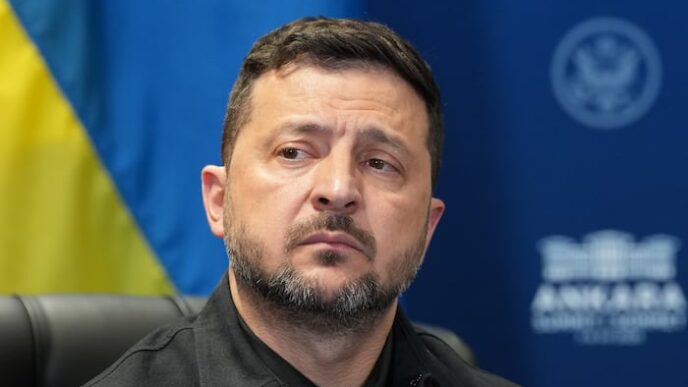
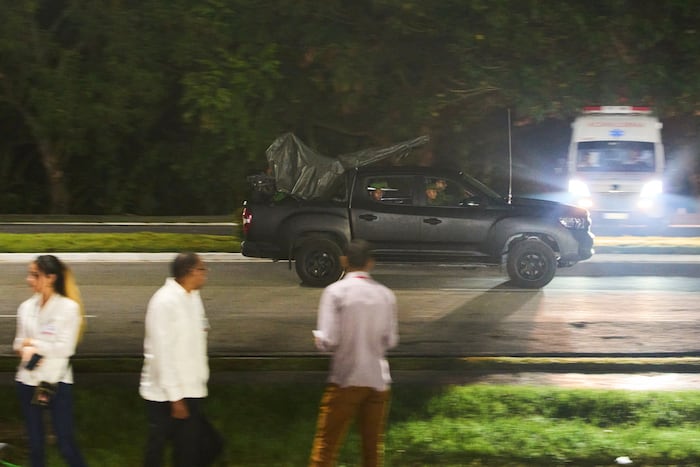
President Miguel Diaz-Canel presided over the ceremony in Pinar del Rio, reading a congratulatory message from Raul Castro to attendees. No official explanation was provided for Castro’s absence, leaving observers and Cuban-American families in Miami speculating about the former leader’s health and what this signals for Cuba’s future political landscape.
Current Tensions Between Cuba and the United States
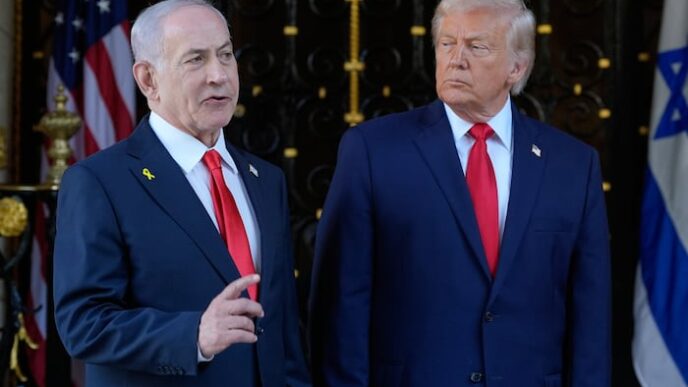
The relationship between Cuba and the United States has reached one of its most strained periods in recent memory, directly affecting families on both sides of the Florida Straits. President Donald Trump has implemented an oil embargo that has severely impacted the Caribbean nation, with daily blackouts now lasting more than 20 hours across the island.
“Cuba is the victim of a coldly calculated genocide,” President Diaz-Canel stated during his speech, accusing the Trump administration of imposing a policy of “maximum pressure” and intensified “economic strangulation.”
During the rally, Diaz-Canel also rejected a recent U.S. State Department report that accused Cuba of operating a leftist espionage and influence network against the United States and Latin America for decades. These accusations continue to fuel the ongoing diplomatic standoff that impacts travel, remittances, and family connections that matter deeply to Miami’s Cuban population.
What This Means for Miami’s Cuban Community
For the hundreds of thousands of Cuban-Americans calling Miami home, these developments carry personal weight. Many maintain close ties with relatives still on the island and watch Cuban political news with keen interest. The deteriorating conditions in Cuba have real implications for family members who depend on support from their Miami relatives.
The current crisis affecting Cuba includes several critical challenges:
- Extended power outages exceeding 20 hours daily
- Severe shortages of water and medicine
- Reduced workdays and halted industrial production
- Major companies including Spain’s Melia hotel chain departing the island
- Payment processors like Visa and Mastercard suspending operations
- Airlines such as Air Canada and Air France discontinuing service
Raul Castro’s last public appearances were in June 2026 during an event establishing the Ministry of the Interior and on May 1 for Labor Day celebrations. Despite no longer holding formal positions, his symbolic presence remains significant. He was recently identified as one of the negotiators in talks with the United States following the imposition of the U.S. energy embargo.
Legal Developments Adding to the Tension
In May 2026, Raul Castro was charged in a U.S. indictment with murder and other crimes for his alleged role in the 1996 downing of two civilian aircraft operated by Miami-based exiles off the coast of Cuba. The Cuban government has widely rejected these accusations, but they resonate strongly within Miami’s exile community, particularly among families of the victims.
President Trump has publicly stated he hopes to “take over” the island following his January actions regarding Venezuela, a key Cuban ally for decades. These statements and policies have intensified the already complex emotional landscape for Cuban-Americans who dream of visiting their homeland or reuniting with family members still living there.
Staying Connected to Your Heritage
For those in Miami’s Cuban community seeking to stay informed about developments in Cuba, local cultural institutions and community organizations continue to serve as vital resources. Whether gathering at Versailles Restaurant to discuss the latest news or attending events at cultural centers throughout Little Havana, Miami remains the heart of Cuban-American life in the United States. This historic moment in Cuban politics serves as a reminder of the enduring connection between Miami and the island just 90 miles away.