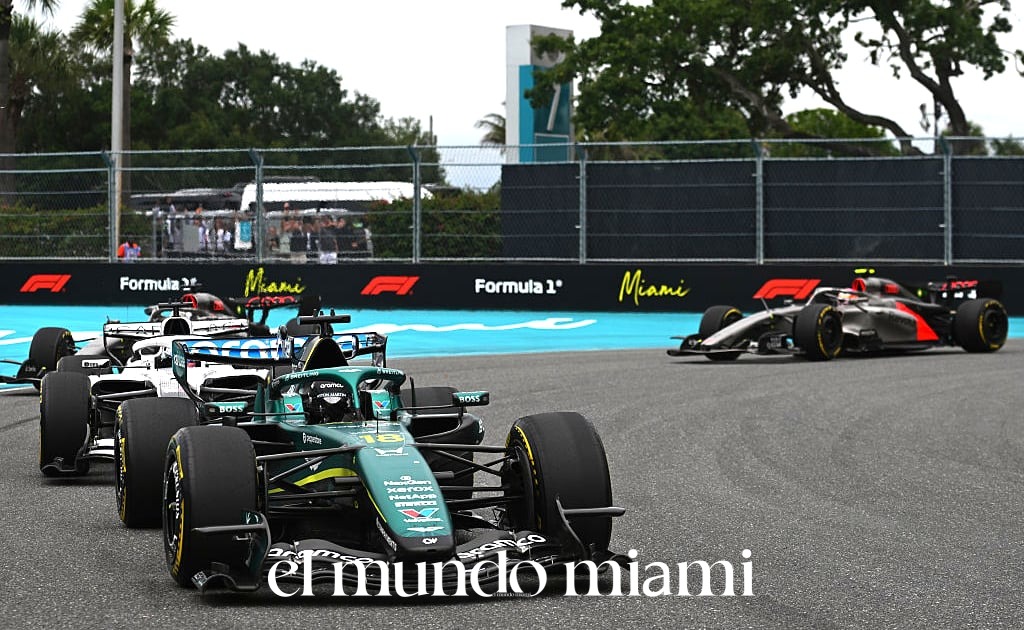
Honda’s Formula 1 power unit program demonstrated encouraging signs at the Miami Grand Prix, yet team officials acknowledge significant development work lies ahead. The Japanese manufacturer’s Honda F1 Miami GP performance marked a step forward in their competitive journey, but engineers and team personnel remain cautiously optimistic about their position in the championship battle.
The Miami circuit provided valuable data and competitive insights that Honda believes will fuel their ongoing development efforts. While rivals continue pushing boundaries, Honda’s technical team sees the recent progress as validation of their current development direction.
Miami Performance Analysis: A Mixed Bag
Positive Indicators From the Weekend
The Miami Grand Prix weekend delivered several encouraging developments for Honda’s power unit operations. Reliability proved solid throughout practice, qualifying, and the race itself, allowing drivers to push without mechanical concerns limiting their performance.
Engine performance metrics showed improvement over previous races, particularly in the high-speed sections where power unit efficiency plays a crucial role.
Honda’s engineers noted better energy deployment strategies during the race, enabling more competitive straight-line speeds compared to earlier 2026 rounds. The hybrid system integration showed refinement, translating to improved lap times during critical racing moments.
Areas Requiring Immediate Attention
Despite the positive momentum, Honda’s leadership emphasized that substantial gaps remain between their current performance level and championship-winning caliber. Power output comparisons against leading competitors reveal deficits that require aggressive development responses.
The team identified specific areas where improvements must accelerate, including thermal efficiency and overall power delivery characteristics.
We made progress, but we have still a lot of room to improve, Honda representatives confirmed, acknowledging the competitive realities facing their program.
Development Roadmap: What Comes Next
Short-Term Upgrades in Pipeline
Honda’s development schedule includes several planned upgrades targeting immediate performance gains. Engine mapping refinements and combustion efficiency improvements top the priority list for upcoming races.
The technical team has accelerated component development timelines following Miami’s data collection. New specifications for internal combustion engine elements should arrive within the next several race weekends.
Software optimization represents another focus area where rapid gains remain achievable without extensive hardware modifications.
Long-Term Strategic Objectives
Beyond immediate fixes, Honda maintains ambitious targets for their Formula 1 power unit program. The manufacturer views current challenges as opportunities to strengthen their engineering foundation for future seasons.
Investment in simulation technology and testing infrastructure continues expanding, providing Honda’s engineers with enhanced tools for development acceleration. Partnership dynamics within their Formula 1 relationships remain strong, offering stability for long-term planning.
Competitive Landscape Assessment
Where Honda Stands Among Rivals
The 2026 Formula 1 season features intense competition among power unit manufacturers, with margins separating top performers measured in fractions of seconds. Honda currently occupies a mid-pack position, competitive enough for points but lacking consistent podium pace.
Ferrari and Mercedes continue setting benchmarks that Honda targets in their development efforts. Red Bull Powertrains has also emerged as a formidable competitor, adding pressure across the grid.
Honda’s realistic assessment of their competitive position demonstrates maturity and strategic clarity that could benefit their long-term prospects.
Factors Influencing Championship Chances
Multiple variables will determine whether Honda can close performance gaps before season’s end. Regulatory stability allows focused development without major rules changes disrupting progress.
Budget cap implications affect all manufacturers equally, potentially enabling Honda to maximize their resource allocation effectiveness. The team’s historical expertise in hybrid technology provides foundational advantages they continue leveraging.
Technical Deep Dive: Understanding Honda’s Challenges
Power Unit Complexity in Modern F1
Formula 1’s current power unit regulations create extraordinarily complex engineering challenges. The hybrid systems combine internal combustion engines with sophisticated energy recovery components, demanding excellence across multiple technical disciplines.
Honda’s engineers face the task of optimizing each subsystem while ensuring seamless integration. Marginal gains in any area can translate to meaningful lap time improvements.
Specific Development Focus Areas
Combustion efficiency remains Honda’s primary development focus, as improvements here affect both power output and fuel consumption. The energy recovery system kinetic and heat components also receive substantial engineering attention.
Packaging considerations influence cooling efficiency and aerodynamic integration, areas where Honda sees optimization opportunities. Weight reduction efforts continue across all power unit components without compromising reliability standards.
Industry Perspective: Honda’s F1 Commitment
Historical Context and Future Vision
Honda’s Formula 1 involvement spans decades, featuring championship successes and challenging periods alike. The current program represents their latest commitment to motorsport’s pinnacle category.
Corporate support for the racing program remains strong, with Formula 1 serving strategic marketing and technology development purposes. Honda views racing success as integral to their brand identity and engineering culture.
Technology Transfer Benefits
Beyond racing results, Honda extracts valuable technology insights applicable to road car development. Hybrid system expertise gained through Formula 1 competition influences production vehicle engineering decisions.
This technology transfer justifies continued investment even during competitive struggles, providing corporate rationale beyond pure racing success metrics.
Honda’s Miami Grand Prix performance offered genuine encouragement while highlighting the substantial development work still required. The team’s honest assessment of their position, acknowledging progress while recognizing remaining gaps, reflects a mature approach to their Formula 1 challenge. As the 2026 season continues, Honda’s ability to convert Miami’s positive momentum into sustained competitive gains will determine their championship relevance.