In what medical experts are calling an extraordinary miracle of nature, an Australian mother has welcomed four identical baby girls into the world following a pregnancy so rare that doctors believe it may be the first of its kind ever recorded in the country. The remarkable birth has captured hearts worldwide and left the medical community in awe of the incredible circumstances surrounding this growing family.
A One-in-15 Million Natural Miracle
Jenitar Sau Na’amoana, a 34-year-old mother who already had four children, delivered her identical quadruplet daughters on July 14, 2026, at Royal Brisbane and Women’s Hospital in Queensland, Australia. What makes this case particularly extraordinary is that the babies were conceived naturally, without any fertility treatments or medical assistance.
The four baby girls originated from a single fertilized egg that spontaneously split into four separate embryos, a phenomenon that medical science considers exceptionally rare. According to Dr. Alexa Bendall, the maternal fetal medicine specialist who oversaw Na’amoana’s care throughout her pregnancy, the odds of such a natural conception occurring are staggering.
“We think the figures are probably around 1 in 15 million for a case like this to be spontaneously conceived. We don’t think it’s ever happened in Australia.”
To put this into perspective, while the general odds of conceiving quadruplets naturally stand at approximately 1 in 700,000, the vast majority of these cases involve fraternal multiples or are achieved through assisted reproductive technologies. The birth of naturally conceived identical quadruplets represents an almost unimaginable statistical occurrence.
A Surprise Pregnancy for the Growing Family
According to hospital officials, Na’amoana and her husband, Jortham, had not planned to expand their family further. The couple was reportedly quite surprised when they learned not only that they were expecting another child but that they would be welcoming four identical babies. This unexpected news transformed their family of six into a bustling household of ten.
The pregnancy presented significant medical challenges that required careful monitoring and intervention. Some of the key risk factors included:
- All four fetuses sharing a single placenta, increasing the risk of complications
- Higher probability of preterm birth common in multiple pregnancies
- Increased risk of miscarriage and potential birth defects
- Greater strain on the mother’s body throughout the pregnancy
Na’amoana was closely monitored by a dedicated medical team at the hospital beginning at just 10 weeks of gestation. At 25 weeks, she was admitted as an inpatient to ensure round-the-clock observation and care. This precautionary measure proved essential in helping the babies develop as long as possible before delivery.
Healthy Babies and a Recovering Mother
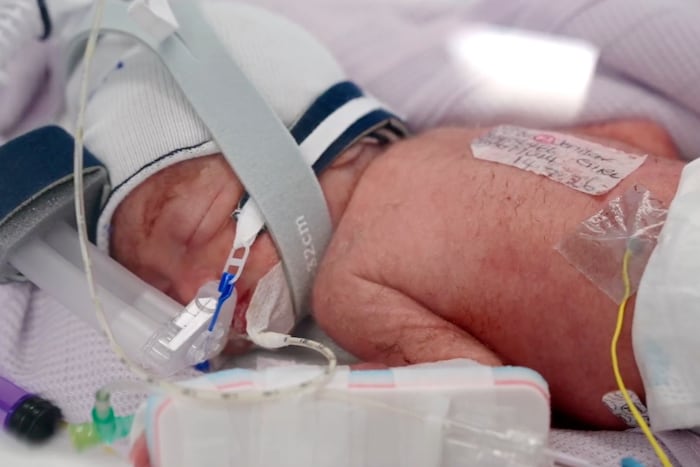
The cesarean section delivery took place when Na’amoana was 28 weeks and four days into her pregnancy. While premature, all four babies emerged healthy and are currently thriving in the neonatal intensive care unit. The successful outcome has been celebrated by the entire medical team involved in the case.
Dr. Bendall expressed her joy at the results, noting that while Na’amoana did experience some blood loss during the procedure, it was not excessive considering the circumstances of delivering quadruplets. The mother is reportedly recovering well and is expected to make a full recovery.
The four little girls have been named Emily, Harriet, Catherine, and Alexa. The fourth name holds special significance, as it was chosen to honor Dr. Bendall for her dedicated care throughout the pregnancy and delivery. The physician described the gesture as a beautiful tribute and expressed feeling privileged to have played a role in bringing these children into the world.
A Medical Marvel and Human Story
For Dr. Bendall and the medical team, this case represents both a fascinating academic occurrence and a deeply moving human experience. The intersection of scientific rarity and the joy of new life has made this birth particularly memorable for everyone involved.
The Na’amoana family now faces the happy challenge of caring for eight children, including four newborns who will require special attention during their early months. The support of the medical community and the strength of the family will undoubtedly play crucial roles as they navigate this new chapter of their lives.
This remarkable birth serves as a reminder of the incredible surprises that nature can deliver, bringing joy and wonder to families and medical professionals alike. As the four identical sisters continue to grow stronger in the NICU, the world watches with hope and celebration for this extraordinary Australian family.