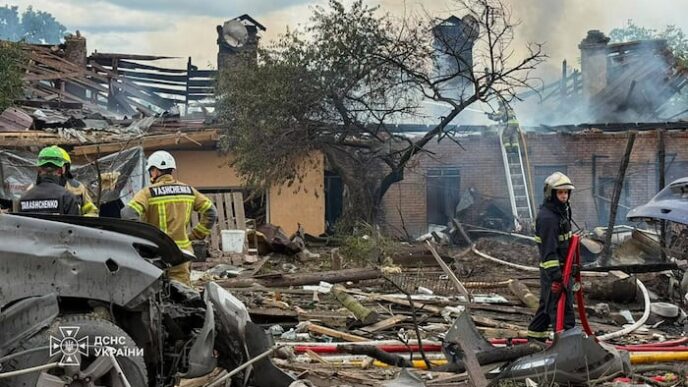
The Middle East witnessed another significant escalation on July 25, 2026, as Yemen’s Houthi rebels launched missiles and drones targeting Saudi Arabian facilities. This development comes in direct response to Saudi airstrikes on the strategic Yemeni port city of Hodeida, sending ripples of concern through international communities, including Miami’s vibrant Latin population with deep ties to global commerce and family connections worldwide.
Understanding the Current Middle East Conflict
The Houthi military forces announced their attack targeted major oil facilities in the Red Sea cities of Yanbu and Jizan, both home to operations belonging to Aramco, the world’s largest petroleum company. Saudi Arabia’s civil defense confirmed that alerts sounded multiple times early Saturday morning in both cities, though officials have not released additional details about potential damage or casualties.
This latest exchange represents a dangerous escalation in a region already experiencing heightened tensions. The conflict centers around control of vital shipping routes, particularly the Strait of Hormuz, where the United States and Iran continue their strategic competition. For Miami families with connections throughout Latin America and the Middle East, these developments carry significant implications for everything from energy prices to travel safety.
Iran’s foreign minister, Abbas Araghchi, called for “diplomacy and dialogue” to solve the Yemen conflict without “military confrontations,” offering a potential pathway toward de-escalation in the volatile region.
Global Shipping Routes Under Threat
The escalating Middle East tensions pose a serious threat to global shipping, a concern that resonates strongly with Miami’s position as a major international trade hub. The Houthi forces have threatened to close the Bab el-Mandeb Strait to Saudi-linked vessels, a move that could dramatically impact worldwide commerce.
Here’s why Miami residents should pay attention to these shipping route disruptions:
- Approximately 12% of global trade passes through the affected waterways
- Nearly one-quarter of the world’s container traffic transits these straits
- Disruptions could affect prices on imported goods throughout South Florida
- Energy costs may fluctuate as oil shipping faces potential obstacles
- Supply chain delays could impact Miami’s retail and business sectors
The Houthis recently targeted two Saudi oil tankers in the Red Sea, prompting the Saudi-led coalition to strike Hodeida’s port facilities and telecommunications infrastructure. These tit-for-tat attacks demonstrate how quickly regional conflicts can escalate, potentially affecting global markets and everyday consumers thousands of miles away.
Iran-U.S. Tensions and Regional Impact
While the Red Sea situation intensifies, there was a notable pause in the separate Iran-U.S. conflict. Iranian officials reported no overnight strikes on July 25, marking the first break in nearly two weeks of consecutive American attacks on Iranian territory. This temporary lull offers a glimmer of hope for potential diplomatic solutions.
The broader Middle East conflict has exacted a devastating human toll that puts the situation into sobering perspective:
- More than 3,400 people killed in Iran according to health ministry figures
- Eighteen U.S. service members have lost their lives
- Twenty-four civilians killed in Israel
- Over 4,000 casualties in Lebanon from related Hezbollah conflicts
- Thirty-eight Israeli troops killed in Lebanese border operations
What This Means for Miami’s Latin Community
For Miami residents with family, business, or travel connections to affected regions, staying informed about the Middle East tensions remains crucial. U.S. embassies have alerted American nationals throughout the Middle East that options to leave the region could become increasingly limited as the situation evolves.
The Iranian Revolutionary Guard has also advised residents of neighboring countries to maintain distance from facilities housing U.S. military personnel, suggesting that both sides anticipate potential further escalation. Miami families planning travel or maintaining business relationships in the Gulf region should monitor developments closely and consider consulting with travel advisors about current conditions.
As South Florida’s most connected international city, Miami feels the effects of global events perhaps more acutely than other American communities. The Latin community here, with its extensive international networks and global perspective, understands that what happens in the Red Sea or the Strait of Hormuz eventually touches shores much closer to home. Staying informed and prepared remains the best approach as these Middle East tensions continue to unfold on the world stage.