A climate emergency of historic proportions unfolded across southern Europe on July 25, 2026, as devastating wildfires in France and Spain forced more than 250,000 people to flee their homes. The unprecedented blazes, fueled by extreme temperatures and prolonged drought conditions, have overwhelmed emergency services and prompted extraordinary measures including the shortening of the iconic Tour de France.
Unprecedented Evacuations Across Southern Europe
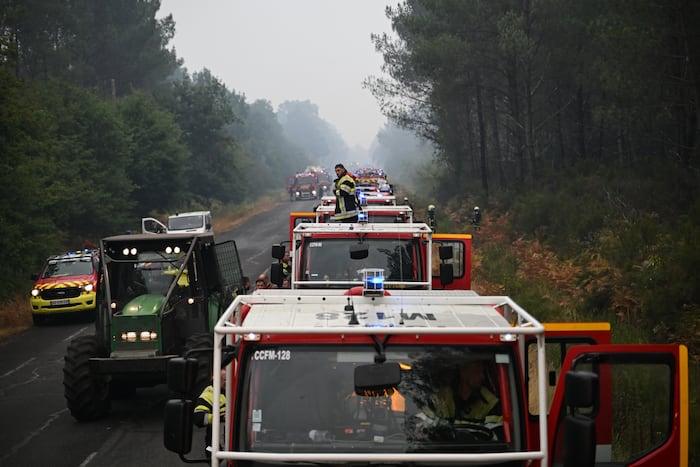
The Gironde region of southwestern France has become the epicenter of one of the most destructive wildfire seasons in European history. Tens of thousands of residents, including families living in the suburbs of the renowned wine city of Bordeaux, received emergency evacuation orders as flames advanced with terrifying speed. French authorities deployed a specially adapted A400M military transport aircraft capable of dropping 20 tons of water—approximately three times the capacity of traditional Canadair water-bombing planes.
French Interior Minister Laurent Nunez described the battle against the Gironde blaze as expected to be “long and very difficult.” The fire, located approximately 30 kilometers west of Bordeaux, generated such intensity that it began creating its own wind patterns, a phenomenon that indicates extreme fire behavior. Emergency crews worked frantically to dig trenches and deploy flame retardants to protect populated areas.
“Our priority is clear: protecting human lives. Evacuation orders must be respected without delay.” — Prime Minister Sébastien Lecornu
Tour de France Shortened in Historic Decision
In an extraordinary measure underscoring the gravity of the European wildfires crisis, French authorities announced that the Tour de France’s final stage on July 26 would be reduced by one-third. The Paris police department confirmed that riders would race inside Paris rather than starting from Thoiry, west of the capital. The route was cut from the planned 133 kilometers to just 89 kilometers, with security personnel redeployed to reinforce wildfire response efforts.
This marks one of the most significant disruptions to the world’s premier cycling event in its storied history, demonstrating how climate-driven disasters increasingly impact major international events. For sports enthusiasts in Miami and beyond, the decision serves as a stark reminder of how European summer travel plans may need flexibility during extreme weather seasons.
Spain Battles Twin Infernos Near Madrid
Meanwhile, approximately 70,000 people were evacuated in central Spain as two major wildfires burned west of Madrid. Spanish authorities deployed an impressive emergency response force:
- 2,600 firefighters, police, and emergency personnel
- 19 water-dumping aircraft and helicopters
- Military support and equipment
- Coordinated evacuation teams across multiple municipalities
In the town of El Tiemblo, west of Madrid, residents witnessed flames consume a beloved historic chestnut grove that had stood for generations. Local resident Javier Organista described scenes of panic as fire surrounded the community.
“We’ve never seen anything like this,” Organista shared. “When we saw the flames coming into our town, surrounding us, leaving us with practically no way out, all the neighbors joined together to try to stop its advance. It’s just really sad.”
What This Means for Miami Travelers
For Miami residents planning European summer getaways, these devastating wildfires serve as an important reminder about travel preparedness during peak fire season. Southern France and Spain remain popular destinations for the Latin community, particularly the wine regions of Bordeaux and the cultural treasures surrounding Madrid.
Travel experts recommend the following precautions when visiting regions prone to European wildfires:
- Monitor local news and emergency alerts before and during travel
- Register with the U.S. Embassy’s Smart Traveler Enrollment Program
- Purchase comprehensive travel insurance covering natural disasters
- Maintain flexible itineraries during summer months
- Keep emergency supplies including N95 masks for smoke protection
Climate Change Amplifies Fire Dangers
Scientists have directly linked the severity of these European wildfires to climate change, which has created longer, hotter, and drier conditions across the Mediterranean region. French Prime Minister Lecornu described the fires as “unprecedented,” while emergency services noted that blazes spread so rapidly that traditional firefighting approaches proved ineffective.
The French government mobilized soldiers and rushed 1.5 million face masks to the Gironde region to protect residents from potentially hazardous smoke. Dozens of firefighters sustained injuries battling the flames, though remarkably, no deaths were reported in either country despite chaotic evacuation scenes. Some coastal residents even fled by boat when flames swept through touristic Atlantic towns.
As southern Europe continues battling these historic wildfires, the international community watches with concern. For Miami’s global community with deep connections to Spain and France, these events hit particularly close to home, reminding us that climate change impacts extend far beyond any single region or nation.