A stark warning from the United Nations is sending shockwaves through the international community as new data reveals that armed conflicts and volatile energy markets could plunge millions more people into hunger in the coming years. The assessment comes as global food security remains alarmingly fragile despite modest improvements in recent years.
The International Fund for Agricultural Development (IFAD), headquartered in Rome, released troubling projections on July 21, 2026, indicating that geopolitical tensions and disruptions to energy supplies could leave an additional 9 to 18 million people facing food insecurity if current conditions persist. The agency’s president, Alvaro Lario, emphasized the urgent need for coordinated global action to address these mounting challenges.
Armed Conflicts Create Devastating Hunger Cycle
According to the latest United Nations food security report published on July 21, 2026, more than 500 million people worldwide could still be suffering from chronic hunger by the end of this decade. The African continent is projected to bear the heaviest burden of this crisis, marking a significant shift in global hunger patterns.
“We are in a current era where we have the highest number of conflicts and are still increasing. Whenever there is a conflict, also hunger, displacement, refugees increase,” stated IFAD President Alvaro Lario during an interview with The Associated Press.
The relationship between warfare and food insecurity creates a particularly vicious cycle that proves extremely difficult to break. Military conflicts disrupt critical supply chains, damage agricultural infrastructure, and force farming communities to abandon their land. These disruptions ripple through entire food systems, causing prices to spike and leaving vulnerable populations unable to access adequate nutrition.
Current tensions surrounding key shipping routes, including uncertainty in the Strait of Hormuz amid ongoing regional conflicts, pose significant threats to global food distribution networks. When energy supplies face disruption, the effects cascade through agricultural systems, increasing costs for fertilizers, transportation, and food processing.
Rising Energy Costs Hit Small Farmers Hardest
The impact of escalating fuel prices falls disproportionately on small-scale agricultural producers who form the backbone of food production in many developing nations. These farmers depend heavily on diesel fuel for essential operations, including:
- Pumping irrigation water to crops
- Operating harvesting equipment
- Transporting produce to local markets
- Running processing and storage facilities
- Purchasing fertilizers derived from energy-intensive processes
When fuel costs rise, production expenses increase dramatically, and these additional costs inevitably translate into higher food prices for consumers. This creates a double burden for populations already struggling with limited incomes and reduced purchasing power.
Climate Disasters Compound Food Security Challenges
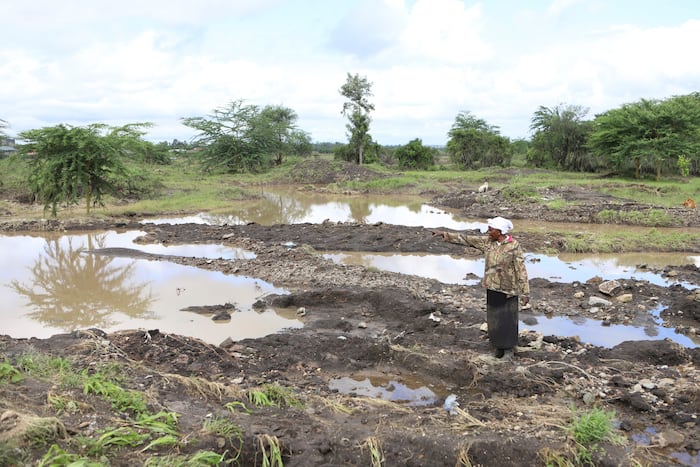
Beyond conflicts and energy market volatility, climate change continues to intensify pressure on agricultural systems worldwide. Extreme weather events have become increasingly common, with floods, prolonged droughts, and unprecedented heat waves disrupting farming operations across multiple continents.
Lario emphasized that these climate shocks are no longer exceptional occurrences but rather represent a new normal that communities must learn to navigate. Some regions have experienced continuous drought conditions lasting four to five years, while others face repeated flooding that destroys crops and erodes productive farmland.
The IFAD is responding by expanding investments in climate adaptation programs designed to help rural communities build resilience against these environmental challenges. However, experts argue that proactive investment in adaptation measures before disasters strike proves far more effective than emergency responses after the damage occurs.
Africa Becomes Global Hunger Epicenter
Perhaps the most alarming finding in the new report concerns the shifting geography of global hunger. For the first time in recent history, Africa has surpassed Asia as the region with the largest number of people facing chronic undernourishment. Projections suggest that nearly 60 percent of the world’s hungry population could be concentrated in African nations by 2030.
Several factors contribute to this troubling trend:
- Rapid population growth outpacing economic development
- Limited investment in agricultural infrastructure
- Dependence on food imports totaling nearly $100 billion annually
- Weak local production and distribution networks
- Inadequate regional trade systems
The affordability crisis represents one of the most significant barriers to food security globally. While agricultural production continues to increase, approximately one-third of the world’s population cannot afford a healthy diet. In low-income countries, that figure jumps to a staggering 77 percent of the population.
Addressing these challenges will require substantial investment in strengthening local food systems, improving storage and distribution infrastructure, and developing more robust regional trade networks. Without coordinated action from governments and international organizations, the progress achieved against global hunger in recent decades risks being completely reversed by the mounting pressures of conflict, climate change, and economic instability.