Shopping Is Becoming an Experience, Not Just a Transaction

Shopping habits are changing as consumers seek more than traditional retail experiences. With the rise of online shopping, physical stores are transforming into spaces for discovery, entertainment, personalization, and social interaction.
Rather than competing with e-commerce solely on convenience, retailers are rethinking the purpose of physical stores. Architecture, exclusive experiences, personalized services, and carefully designed environments are becoming important elements of modern shopping.
How Miami Is Transforming the Shopping Experience
Miami has a diverse retail landscape shaped by residents, international visitors, and luxury tourism. Areas such as Brickell, Wynwood, Aventura, and the Design District illustrate different approaches to modern retail.
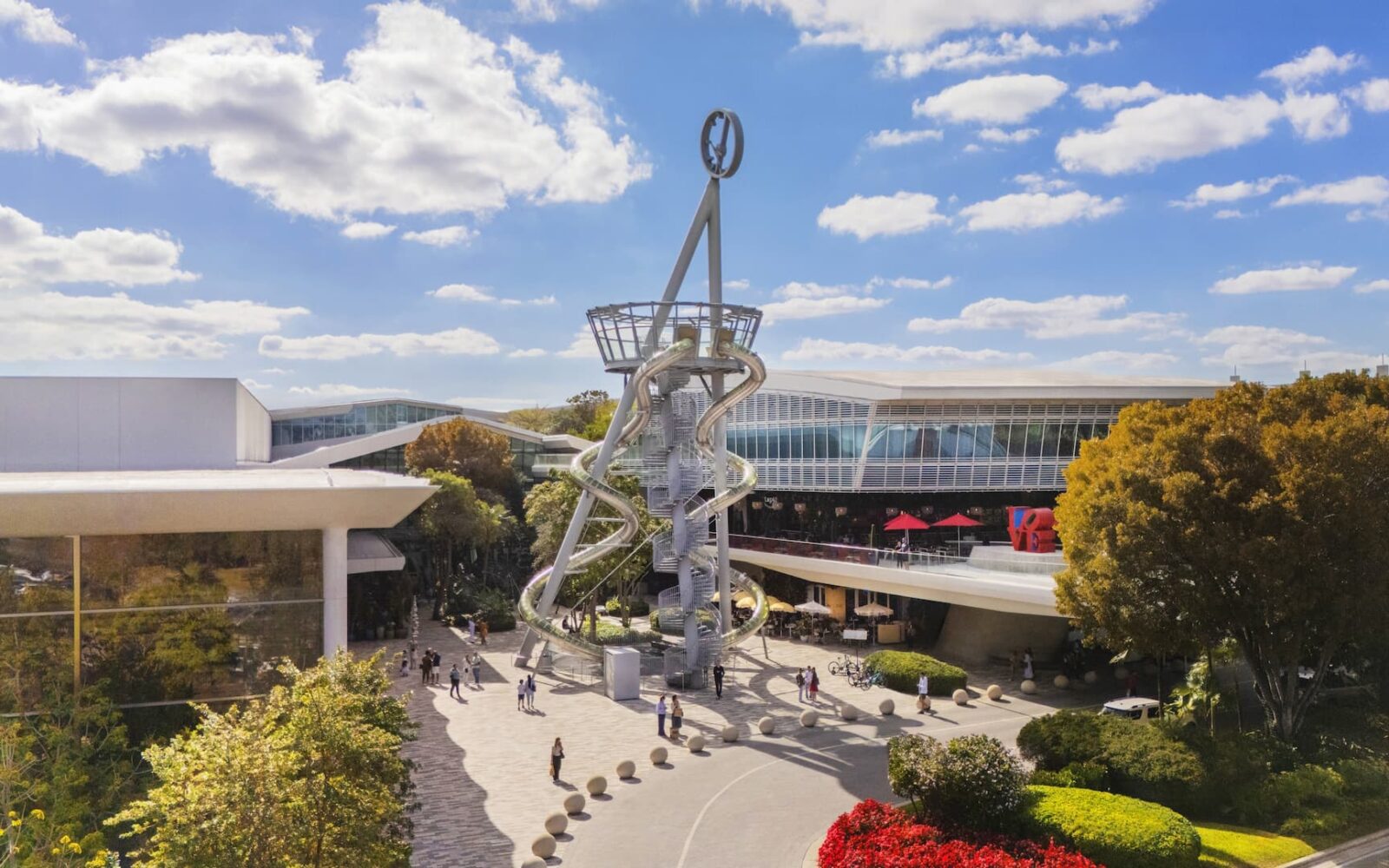
In this city, the transformation is becoming increasingly visible across its shopping destinations. Retail spaces are combining fashion, gastronomy, art, and entertainment, while brands are rethinking the role of their physical stores.
From luxury shopping districts to large lifestyle centers, Miami is creating environments where shopping can become part of a broader social and cultural experience.
The Experience Economy: Why Shopping Is About More Than Products
Shopping is increasingly becoming part of the experience economy, where consumers value not only what they purchase but also how they experience the process.
Atmosphere, architecture, customer service, and the overall environment can influence purchasing decisions. Retailers are therefore investing in spaces that encourage visitors to spend more time exploring, interacting with brands, and discovering new products.
This approach also allows physical stores to offer something that online shopping cannot fully replicate: direct interaction with products, people, and the surrounding environment.
The Growing Importance of Personalized Shopping Experiences
Today’s consumers increasingly expect brands to understand their preferences and offer experiences that reflect their individual interests.
Personalized recommendations, exclusive products, limited collections, customized services, one-on-one assistance, loyalty programs, and special shopping events are becoming important elements of modern retail.
For brands, personalization creates opportunities to establish stronger relationships with customers. Instead of focusing exclusively on individual transactions, retailers can encourage long-term engagement and customer loyalty.
Miami Design District: Where Shopping Meets Art and Architecture
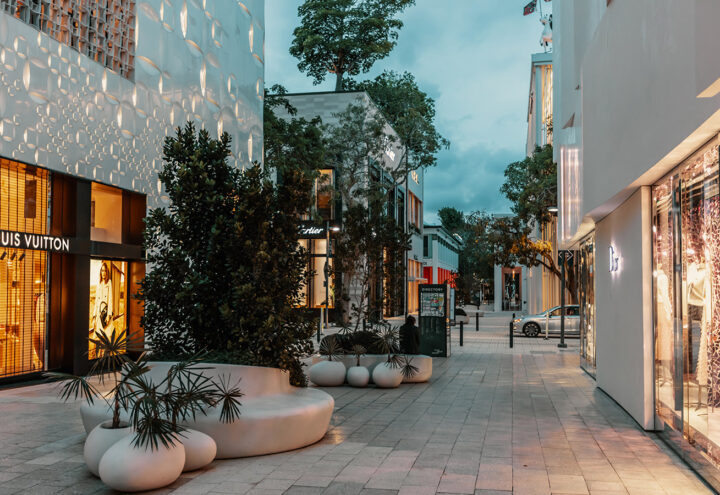
One of the best examples of a neighborhood that has evolved from a furniture and design area into an international retail destination is the Miami Design District.
The neighborhood brings together more than 200 global brands, combining luxury retail with contemporary architecture, public art installations, galleries, and restaurants.
Its cultural and artistic elements make the district an attractive destination even for visitors who are not planning to purchase anything. Public installations, architectural spaces, and cultural experiences encourage people to explore the neighborhood beyond its stores.
This combination demonstrates how retail districts can become destinations in their own right, attracting visitors through design, culture, and lifestyle.
Flagship Stores and Immersive Brand Experiences
Another important change is the way brands are designing their physical stores. Instead of simply displaying products, some retailers are creating spaces that communicate their identity and invite customers to interact with their brands.
Flagship stores can incorporate interactive displays, exclusive collections, personalized services, product demonstrations, and immersive environments. These elements allow visitors to connect with a brand beyond the traditional shopping experience.
In Miami, where international brands compete for the attention of residents and visitors, these spaces also serve as an opportunity to create memorable experiences and strengthen brand recognition.
Ultimately, the future of physical retail is not only about what consumers buy, but also about what they discover, experience, and remember.