Beyond Visible Luxury: The Rise of Invisible Wellness

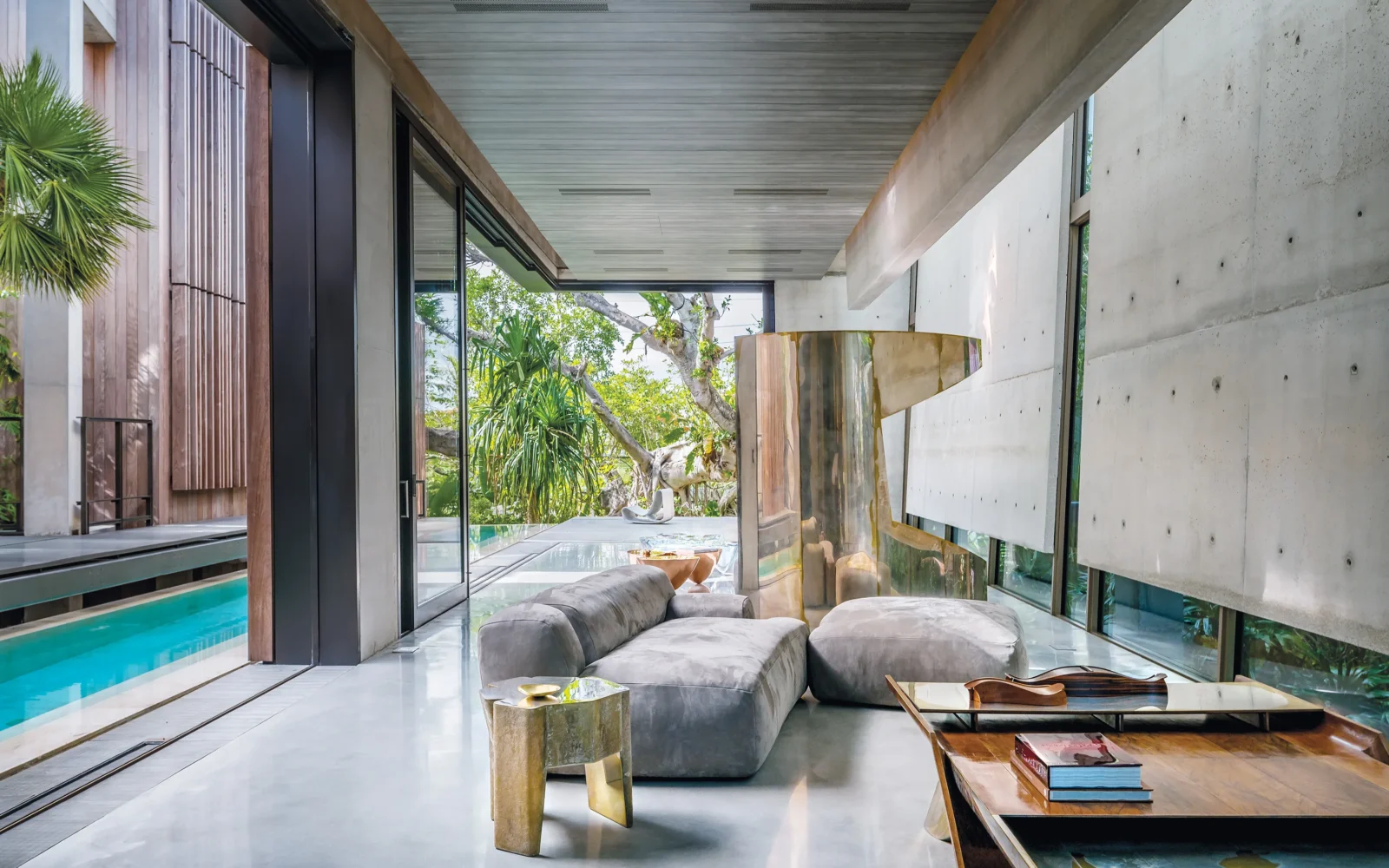
For decades, luxury real estate has been associated with visible glamour and signs of exclusivity. Architects and developers have traditionally focused on expansive floor plans, imported marble, designer furniture, private elevators, impressive views, and elaborate amenities. These features have helped define the visual identity of high-end residential properties.
Today, however, the concept of residential luxury is evolving. Real estate developers and architects are embracing a different approach that goes beyond appearance and status. Increasingly, they are incorporating features designed to improve the quality of indoor environments and support residents’ everyday well-being.
The focus is shifting toward valuable features that guests may not immediately notice. These are systems integrated behind walls, ceilings, and floors that quietly contribute to a healthier living environment. This concept is closely related to the WELL Building Standard, an international framework developed to evaluate how buildings support human health and well-being.
This shift is also changing how residential properties communicate their value. A carefully designed home now considers factors such as air quality, lighting, and acoustic performance, creating an environment that can support residents’ comfort and well-being throughout everyday life.
A Home Designed Around Human Biology
One of the most interesting developments in contemporary architecture is the growing attention to the relationship between indoor environments and human biology. Architects and developers are increasingly incorporating environmental systems designed to respond to the body’s natural needs and daily rhythms.
Circadian Lighting
The human body operates according to an internal biological clock known as the circadian rhythm. This approximately 24-hour cycle regulates sleep and wakefulness, among other biological processes. Light is one of the most important environmental signals that helps regulate this internal clock.
Circadian lighting systems aim to replicate natural patterns of daylight through automated adjustments in brightness and color temperature throughout the day. For example, cooler and brighter lighting can be used during the morning to support alertness, while warmer and softer illumination in the evening can help prepare the body for rest.
The WELL Building Standard includes specific guidelines for circadian lighting, considering factors such as light intensity, exposure, and timing.
Thermal Comfort and Humidity
Temperature and humidity also play an important role in the residential experience. In humid climates such as South Florida, these factors are particularly relevant to indoor comfort and air quality.
Integrated climate-control systems can regulate indoor temperature and moisture levels, helping maintain a more comfortable environment throughout the year. The U.S. Environmental Protection Agency (EPA) recommends maintaining indoor relative humidity between 30% and 50% as a general measure for managing indoor air quality and reducing conditions that encourage mold growth.
The Architectural Implication
Rather than relying exclusively on residents to adjust their surroundings, wellness-oriented homes incorporate automated systems that regulate environmental conditions throughout the day. By coordinating lighting, temperature, and humidity, these spaces aim to create a more comfortable indoor environment that works in harmony with residents’ daily routines.
In this approach, architecture becomes more than the design of a physical space. It becomes part of a broader effort to create homes that respond to the people who inhabit them.