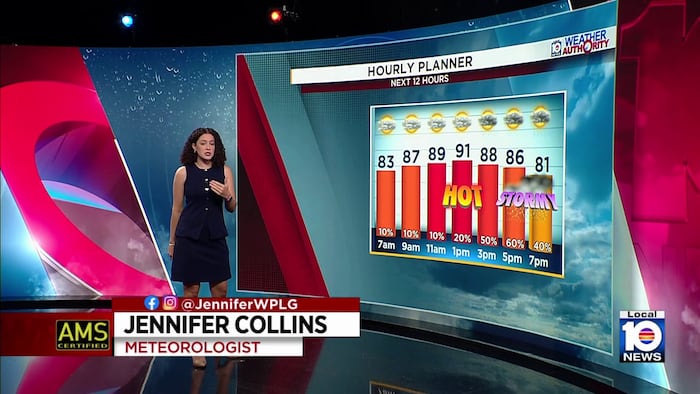
Miami storms are making a powerful comeback as the first week of August 2026 kicks off with potentially dangerous weather conditions across South Florida. On August 3, 2026, meteorologists are warning residents about a combination of extreme heat and afternoon thunderstorms that could bring localized flooding to streets throughout the metro area.
For Miami’s vibrant Latin community, this weather pattern means adjusting daily plans and staying prepared. Whether you’re heading to work, planning a beach day, or running errands with family, understanding the Miami storms forecast is essential for navigating the city safely.
What to Expect from Miami Storms This Week
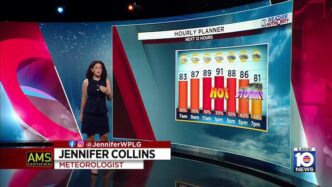
The morning hours on August 3, 2026, started warm and humid with temperatures quickly climbing into the lower 90s. However, the real concern begins in the afternoon when the heat index reaches uncomfortable levels.
- Morning temperatures: Lower 90s with isolated shower chances
- Feels-like temperatures: Between 100 to 105 degrees by early afternoon
- Storm development: Expected by mid-afternoon
- Wind direction: South-southwest, pushing storms along the east coast metro
- Primary threats: Lightning, gusty winds, heavy rain, and street flooding
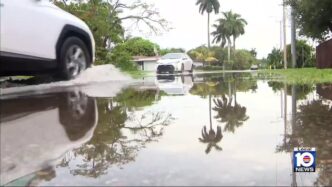
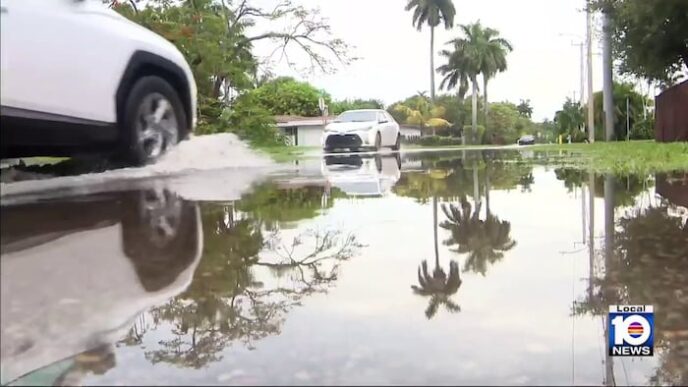
The slow-moving nature of these storms is particularly concerning. When thunderstorms linger over one area, they can dump significant amounts of rain in a short period, overwhelming drainage systems and creating hazardous driving conditions.
Flood Risk Areas in South Florida
Residents of Miami-Dade and Broward counties should be especially vigilant during the afternoon and early evening hours. The Miami storms moving through the region tend to concentrate along the urban corridor, affecting major cities and neighborhoods.
Areas most likely to experience localized flooding include:
- Miami and Miami Beach low-lying streets
- Fort Lauderdale downtown areas
- Hialeah residential neighborhoods
- Hollywood and Pembroke Pines communities
- Coral Springs and Plantation zones with poor drainage
According to Local 10’s Weather Authority, slow-moving storms that develop could produce frequent lightning, gusty winds, heavy rain, and localized street flooding throughout the metro area.
Safety Tips for Navigating Miami Storms
When Miami storms threaten your neighborhood, preparation is key. The Latin community knows how to adapt to Florida’s tropical climate, but these reminders can help keep everyone safe during severe weather events.
- Avoid driving through flooded streets, even if they appear shallow
- Stay indoors during peak storm activity between 3 PM and 7 PM
- Keep electronics charged in case of power outages
- Move outdoor furniture and decorations inside
- Check on elderly neighbors and family members
If you must be outside during the heat, the extreme temperatures demand extra caution. Heat index values reaching 105 degrees can cause heat exhaustion or heat stroke within minutes of strenuous activity.
Planning Your Week Around the Weather
For those planning outdoor activities, early morning hours offer the best window before Miami storms develop. Beach visits, outdoor dining, and neighborhood walks should be completed before noon when conditions are more manageable.
The good news is that evening plans can often proceed once the storm cells move through. Miami’s restaurant patios, outdoor shopping districts, and waterfront venues typically become accessible again after sunset when the atmospheric instability decreases.
Local events and outdoor markets may adjust their schedules during this stormy period. Check with venues directly before heading out, especially for activities planned between 2 PM and 6 PM when storm activity peaks.
Staying Connected During Severe Weather
Keeping informed about Miami storms and changing conditions is crucial for your family’s safety. Local meteorologists provide real-time updates through television broadcasts, weather apps, and social media channels.
Consider setting up weather alerts on your smartphone to receive notifications about severe thunderstorm warnings, flash flood warnings, and other critical weather information affecting your specific location.
As August continues, South Florida residents should expect similar weather patterns with afternoon storm development becoming a daily possibility. This tropical rhythm is typical for summer in Miami, but each day brings unique challenges that require attention and flexibility.