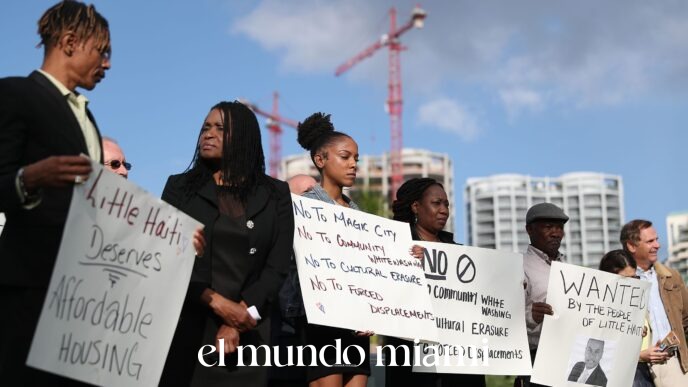

In January 2026, the Miami Market Area experienced a 0.7 percent increase in asking rents for workforce rental housing compared to the previous year, reaching an average of $1,507. Despite ongoing efforts, Miami-Dade County continues to face a significant shortage of affordable rental units, with projections indicating that all vacant housing units will be occupied by 2027. The greatest demand remains for lower-income rental housing, as about 217,000 households in the county fall into this category.
Local residents in their mid-20s have highlighted that rents continue to rise while wages fail to keep up, making affordable housing options increasingly scarce. For many young adults, remaining in family homes is not due to lack of motivation but a response to the challenging housing market conditions.
Budget Proposals and Population Trends Affecting Affordable Housing
Budget proposals for fiscal year 2025-26 include measures aimed at addressing the affordable housing crisis by expanding the availability of affordable units. These plans incorporate funding from Miami Beach Community Development initiatives to support new affordable housing construction and preservation.
Population trends in several Sun Belt cities, including Miami, Dallas, Houston, Orlando, and Tampa, reflect a decline in residents during 2025. This decline correlates with rising home prices that have made these areas less affordable than others in the country.
Outlook for Affordable Housing in Miami During 2026
Looking ahead to 2026, Miami consistently ranks among the least affordable metropolitan areas nationwide, particularly regarding homeownership. Experts anticipate that the affordability challenges in the region will remain significant throughout the year. Policymakers and housing advocates continue to emphasize the need for comprehensive strategies to increase housing accessibility and affordability for the county’s lower-income populations.
For additional coverage on regional developments, see the economy category.