
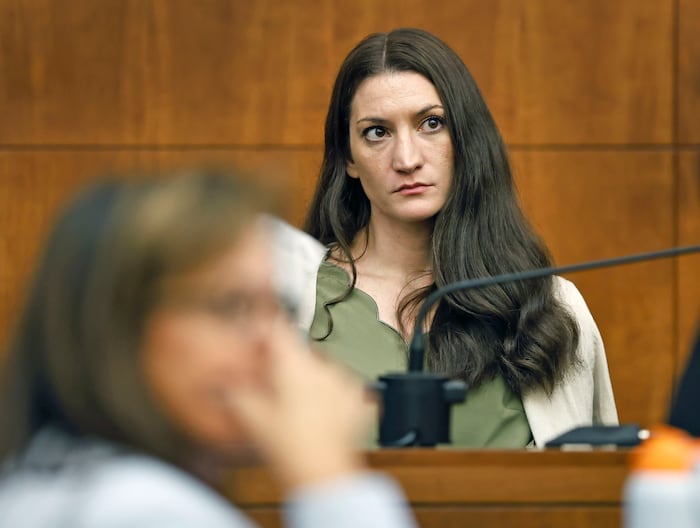
The Lindsay Clancy trial entered a critical phase on August 7, 2026, as prosecutors and defense attorneys examined the psychiatric care the Massachusetts mother received before the tragic deaths of her three children. The courtroom testimony painted a complex picture of mental health treatment, medication changes, and missed warning signs that have become central to this high-profile case.
For the Latin community in Miami and across the nation, this trial raises important questions about maternal mental health, postpartum psychiatric conditions, and the accessibility of proper mental health care for mothers struggling after childbirth. Understanding these issues matters deeply to families navigating similar challenges.
Psychiatric Testimony Reveals Treatment Timeline
Psychiatrist Dr. Jennifer Tufts took the witness stand during the proceedings, providing detailed testimony about her treatment of Clancy in the months leading up to the January 2023 tragedy. According to her notes, Clancy’s final appointment occurred via virtual visit on January 23, 2023, just one day before the devastating events unfolded.
During that final session, Clancy appeared depressed and reported feeling no motivation. She also described experiencing episodes of heart-racing anxiety that had become increasingly difficult to manage. However, Dr. Tufts told jurors that Clancy gave no indication of hearing voices or planning harm to herself or others.
When prosecutor Jennifer Sprague asked directly whether Clancy had revealed any plans to harm her children, Dr. Tufts responded firmly: “No. Absolutely not.” This testimony became a pivotal moment in establishing what mental health professionals knew about Clancy’s state of mind before the tragedy.
Defense Strategy Focuses on Mental Illness
The Lindsay Clancy mental health defense centers on the claim that the 35-year-old former labor and delivery nurse suffered from undiagnosed bipolar disorder and postpartum psychosis. This rare psychiatric condition causes a complete break with reality and affects a small percentage of women following childbirth.
Clancy’s legal team does not dispute that she killed her three children, Callan, Dawson, and Cora Clancy, who ranged in age from 8 months to 5 years old. Instead, they argue she was so severely mentally ill that she cannot be held criminally responsible for her actions.
The defense has pointed to testimony suggesting that various healthcare providers failed to properly diagnose Clancy’s condition. They claim the series of medications prescribed left her in a worse mental state rather than improving her symptoms.
Prosecution Presents Contradicting Evidence
Prosecutors have built their case around the argument that Lindsay Clancy acted intentionally when she strangled her children in their suburban Duxbury, Massachusetts home. They emphasized that she allegedly sent her husband out to run errands before attacking the children, suggesting premeditation.
The prosecution highlighted testimony from both Dr. Tufts and another psychiatrist who treated Clancy during a five-day psychiatric hospital stay in early January 2023. During both treatment periods, Clancy reportedly denied wanting to hurt anyone else or planning to end her own life.
These denials have become central to the prosecution’s narrative that Clancy concealed her intentions from mental health professionals. The state maintains she should face full criminal responsibility for the murders despite her psychiatric history.
Medication Changes Under Scrutiny
A significant portion of the trial testimony has focused on the numerous psychiatric medications prescribed to Clancy in the months before the tragedy. Dr. Tufts first saw Clancy in September 2022, when the mother reported feeling anxious and overwhelmed by caring for three young children.
At that initial appointment, Clancy expressed particular worry about infant Callan’s refusal to bottle-feed as her maternity leave neared its end. Dr. Tufts diagnosed generalized anxiety disorder and an adjustment disorder with depressed mood, recommending therapy and prescribing an antidepressant.
That first prescription began what the defense describes as a constantly changing cocktail of medications. As Clancy reported worsening symptoms, complained of side effects, and questioned whether the pills were making her condition worse, her providers continued adjusting her treatment regimen.
Bipolar Diagnosis Debate Emerges
The question of whether Clancy suffered from undiagnosed bipolar disorder has emerged as a crucial element in both the criminal trial and a separate medical malpractice lawsuit. The malpractice case argues that Clancy’s mounting anxiety and sleeplessness after starting her first antidepressant represented a reaction that should have signaled bipolar illness to her providers.
Dr. Tufts testified that she did consider a bipolar diagnosis in December 2022 but determined that Clancy did not meet the diagnostic criteria at that time. However, another provider, a nurse-practitioner, did consider bipolar disorder and prescribed an antipsychotic medication commonly used to treat both that condition and insomnia.
Despite these medication changes, Clancy’s mental state continued declining through the end of 2022 and into the new year. The defense argues this deterioration demonstrates that her underlying condition was never properly identified or treated.
Psychiatric Hospitalization Details Revealed
By New Year’s Day 2023, Lindsay Clancy’s condition had worsened to the point where she voluntarily checked herself into McLean Hospital, a prominent psychiatric facility in Massachusetts. Hospital psychiatrist Dr. Alia Goodheart testified about Clancy’s five-day stay at the facility.
During her admission, Clancy reported feeling emotionally numb and expressed concerns about becoming dependent on the antipsychotic medication she had been taking to help her sleep. Dr. Goodheart diagnosed Clancy with insomnia associated with a mental health condition and began tapering down the antipsychotic drug.
This hospitalization occurred just weeks before the tragedy, making the treatment decisions made during this period particularly significant to both the prosecution and defense arguments. The timeline has raised questions about whether additional intervention could have prevented the devastating outcome.
Impact on Maternal Mental Health Awareness
The Lindsay Clancy trial has brought renewed attention to the serious issue of postpartum mental health disorders affecting mothers across the country. Mental health advocates have emphasized that proper screening, diagnosis, and treatment of conditions like postpartum psychosis remain critically important.
For families in Miami’s Latin community and beyond, understanding the signs of maternal mental health struggles can be lifesaving. Postpartum psychosis, while rare, represents a psychiatric emergency that requires immediate professional intervention.
The case also highlights the challenges many mothers face in accessing consistent, high-quality psychiatric care during the vulnerable postpartum period. Gaps in treatment continuity and communication between providers can have devastating consequences.
Trial Continues with Expert Testimony
As the Lindsay Clancy murder trial continues, additional expert witnesses are expected to testify about her psychiatric history and mental state at the time of the killings. The jury will ultimately decide whether her mental illness meets the legal threshold for criminal non-responsibility.
The children, Callan, Dawson, and Cora, were found in the basement of the family home following the attacks. Lindsay Clancy was discovered badly injured in the yard after jumping from a second-story window. She remains paralyzed from the waist down as a result of her injuries.
This case has captured national attention due to its tragic nature and the complex questions it raises about mental illness, criminal responsibility, and the adequacy of psychiatric care for struggling mothers.
Mental Health Resources Available
For anyone struggling with thoughts of suicide or self-harm, help is available around the clock. The national suicide and crisis lifeline can be reached by calling or texting 988. Trained counselors are available to provide immediate support and connect callers with local resources.
Mothers experiencing symptoms of postpartum depression or psychosis should seek immediate medical attention. Warning signs include severe mood swings, confusion, hallucinations, paranoia, and thoughts of harming oneself or one’s children.
Miami offers numerous mental health resources specifically designed to support mothers during the challenging postpartum period. Community health centers, hospital programs, and nonprofit organizations provide accessible care options for families in need.
What is postpartum psychosis and how common is it?
Postpartum psychosis is a rare but serious psychiatric condition that causes a complete break with reality following childbirth. It affects a small fraction of women and requires immediate professional intervention. Symptoms can include hallucinations, delusions, and severe mood disturbances.
What is the defense argument in the Lindsay Clancy trial?
The defense argues that Lindsay Clancy suffered from undiagnosed bipolar disorder and postpartum psychosis that left her so mentally ill she cannot be held criminally responsible. They claim various healthcare providers failed to properly diagnose and treat her condition.
Where can someone find help for maternal mental health issues?
The national suicide and crisis lifeline is available by calling or texting 988. Mothers experiencing postpartum mental health symptoms should contact their healthcare provider immediately or visit an emergency room for evaluation and treatment.