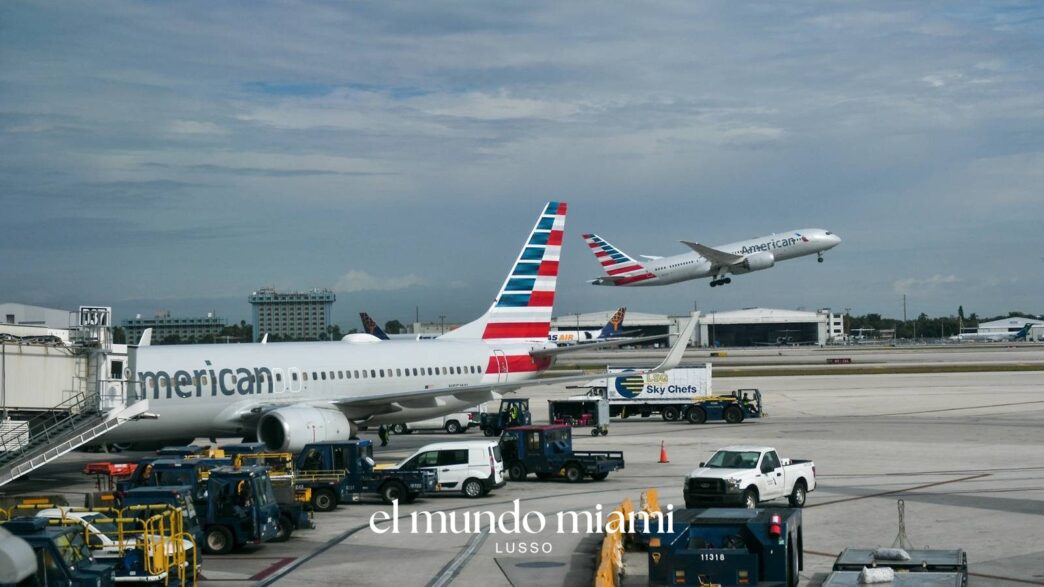
A Miami Airport drug arrest has resulted in the seizure of 460 hydrocodone pills from a traveler arriving on a commercial flight from Colombia. The incident, which occurred on Wednesday, August 12, 2026, highlights the ongoing vigilance of federal agents at one of Florida’s busiest international gateways. The arrest underscores the serious consequences facing those who attempt to smuggle controlled substances through Miami International Airport.
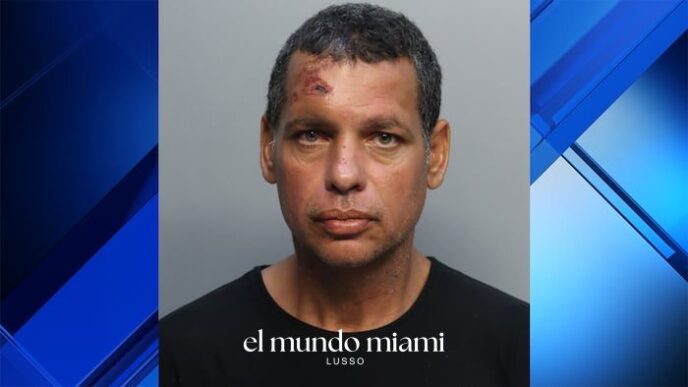
The suspect, identified as Marcus Perry, a 50-year-old resident of Little Elm near Dallas, Texas, now faces serious federal charges. According to Miami-Dade jail records, Perry has been charged with trafficking and importing a controlled substance. The Miami Airport drug arrest serves as a stark reminder that authorities maintain rigorous screening protocols for all incoming international passengers.
Colombia Flight Smuggling Attempt Uncovered
Perry arrived at Miami International Airport on a flight originating from Medellin International Airport in Colombia. Upon landing, he was selected for secondary inspection by Customs and Border Protection officers. The routine screening quickly revealed something far from ordinary hidden within his luggage.
Investigators discovered that Perry had concealed two blue backpacks containing the opioid pills inside a black plastic bag. When questioned by authorities, Perry admitted he did not possess a valid prescription for the hydrocodone medication. This admission immediately escalated the situation from a potential medical exemption to a full criminal investigation.
Four flights arrived in Miami from Medellin on August 12, 2026. These included services operated by both American Airlines and Avianca. Authorities have not disclosed which specific flight Perry traveled on, though arrivals occurred at 4:17 AM, 10:18 AM, 3:31 PM, and 6:03 PM.
Hydrocodone Dangers and Public Health Concerns
The seized hydrocodone pills represent a significant quantity of a highly addictive substance. Hydrocodone is an opioid medication commonly prescribed under brand names like Vicodin and Norco. These medications are typically used to treat severe pain and persistent coughs when other treatments prove ineffective.
However, the drug carries substantial risks for abuse and dependency. Hydrocodone works by altering how the brain and nervous system perceive pain signals. Extended or improper use can lead to physical dependence, addiction, and potentially fatal overdoses. Common side effects include nausea, dizziness, and drowsiness.
The opioid crisis continues to devastate communities across the United States. According to federal health data, opioid-related overdoses claim tens of thousands of lives annually. Seizures like this Miami Airport drug arrest represent critical interventions in preventing these dangerous substances from reaching local streets and vulnerable populations.
CBP Enforcement Authority at US Airports
Customs and Border Protection maintains broad legal authority to inspect all travelers entering or exiting the United States at airports, seaports, and land crossings. These inspections can be conducted without a warrant, allowing agents to act swiftly when suspicious activity is detected during the screening process.
CBP officers are trained to identify various threats including contraband, undeclared goods, financial crimes, immigration violations, and biosecurity risks. Their authority extends to physically opening luggage, unpacking personal items, and conducting thorough examinations of all belongings brought into the country.
The agency employs what officials describe as “highly integrated and layered approaches” to detect illicit narcotics. These multifaceted strategies combine advanced technology, intelligence gathering, and trained personnel to intercept drug shipments before they can be distributed throughout American communities.
By publicizing arrests, authorities aim to deter potential smugglers by demonstrating that they could be caught at any time when attempting to bring illegal substances through US ports of entry.
Miami International Airport Security Operations
Miami International Airport stands as the busiest airport in Florida and ranks among the most significant aviation hubs in the entire United States. The facility handles approximately 55 million passengers annually, including vast numbers of travelers arriving from Latin America, the Caribbean, and destinations worldwide.
The airport’s strategic location makes it a primary gateway for international commerce and travel. However, this same connectivity also makes MIA a potential target for those seeking to smuggle narcotics, weapons, and other prohibited items into the country. Federal agencies maintain a constant presence to address these security challenges.
This Miami Airport drug arrest demonstrates the effectiveness of screening protocols at major entry points. Travelers arriving from countries with known drug trafficking activity often face additional scrutiny as part of standard operating procedures designed to protect public safety.
Read more: Essential Miami Travel Tips for International Flights
Legal Consequences for Drug Trafficking
Perry now faces serious federal charges that could result in decades of imprisonment if convicted. Drug trafficking charges carry some of the harshest penalties in the American legal system, particularly when large quantities of controlled substances are involved. The 460 pills seized in this case significantly exceed thresholds for personal use.
Perry’s attorney has not provided any public statement regarding the case. Legal experts note that defendants in federal drug cases often face limited options for defense, particularly when substances are discovered during lawful border inspections conducted by CBP agents.
The case will likely proceed through the federal court system in South Florida. Prosecutors typically pursue maximum sentences in cases involving opioid trafficking given the ongoing public health crisis associated with these substances across the nation.
Authorities emphasize that arrests like this one help dismantle organized crime networks responsible for flooding American communities with addictive drugs. Each successful interdiction potentially prevents countless cases of addiction, overdose deaths, and drug-related crimes that plague neighborhoods nationwide.
For travelers passing through Miami International Airport, this case serves as a powerful reminder of the consequences awaiting those who violate federal drug laws. The Latin community in South Florida benefits directly from these enforcement efforts, which help keep dangerous substances away from families and young people throughout the region.
The Miami Airport drug arrest also highlights the ongoing partnership between federal agencies and local law enforcement in protecting Miami-Dade County residents. These collaborative efforts remain essential as authorities work to combat the flow of illicit narcotics through one of America’s most important international airports.
What happens when you’re caught with drugs at Miami Airport?
Travelers caught with controlled substances at Miami International Airport face immediate arrest by Customs and Border Protection. Depending on the quantity and type of drugs, charges can range from possession to trafficking, with federal trafficking charges carrying potential sentences of decades in prison.
Can CBP search your bags without a warrant?
Yes, Customs and Border Protection has legal authority to search all incoming and outgoing travelers at US airports and borders without a warrant. Officers can physically open bags, unpack personal items, and conduct thorough inspections to detect contraband, undeclared goods, and other violations.
What is hydrocodone and why is it dangerous?
Hydrocodone is an opioid pain medication sold under brand names like Vicodin and Norco. It works by changing how your brain perceives pain but carries high risks of physical dependence and addiction. Overuse can lead to overdose and death, contributing to the ongoing opioid crisis in America.
📘 Follow El Mundo Miami on our social networks: Facebook | Twitter