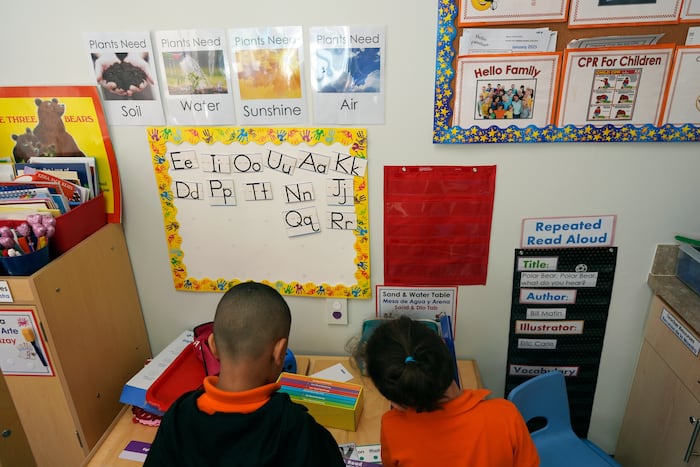
The Head Start program, a lifeline for thousands of low-income Miami families with young children, faces potentially dramatic changes under a federal overhaul announced in early August 2026. For the Latin community in South Florida, where this early education program serves as a crucial stepping stone for preschoolers, the proposed restructuring could reshape how families access quality childcare and developmental support.
The Trump administration is planning to replace the program’s comprehensive 122-page rulebook with approximately a dozen pages of guidelines, effectively transferring most decision-making power to state and local authorities. This shift could fundamentally alter the program that has helped millions of American children since the 1960s prepare for academic success.
What Head Start Means for Miami’s Latino Families
Head Start currently serves over half a million babies, toddlers, and preschoolers across the nation, many from Spanish-speaking households seeking a strong educational foundation for their children. In Miami-Dade County, the program has been instrumental in providing:
- Free preschool education for qualifying families
- Medical, dental, and vision screenings
- Developmental delay monitoring and early intervention
- Family support services and parent coaching
- Employment opportunities for community members
The program targets the unique challenges low-income households face, offering not just education but a comprehensive support system that many Miami families have come to rely on.
Key Changes That Could Impact Your Family
According to sources familiar with the deliberations, the proposed overhaul would eliminate most of the detailed federal standards that currently govern Head Start operations. The changes would affect several critical areas:
- Child-to-teacher ratios may vary by state
- Health screening requirements could be reduced
- Family engagement standards may be left to local discretion
- Curriculum frameworks could differ significantly between programs
“We’d have the carcass of Head Start. You might have a program that’s called Head Start, but in substance it will not be,” said Khari Garvin, who previously led the Office of Head Start under the Biden administration.
Documentation Requirements May Increase
The draft rules reportedly would require additional documentation from parents who are homeless or unemployed. An earlier version of the proposal also considered barring parents who lack legal immigration status from enrolling their children, even when those children are U.S. citizens. Whether these provisions will appear in the final draft remains unclear as of August 3, 2026.
For Miami’s diverse Latin community, where mixed-status families are common, these potential requirements have created significant concern about continued access to early childhood education services.
Timeline and What Happens Next
Miami families should understand that these changes won’t happen overnight. The National Head Start Association has outlined the regulatory process that must occur:
- Federal law requires at least one month of public comment once the proposal is published
- The administration must review and respond to public feedback
- Final rules may take additional months to implement
- Legal challenges could delay or halt implementation entirely
Tommy Sheridan, deputy director of the National Head Start Association, acknowledged the uncertainty facing families and providers. The organization has pledged to advocate strongly once the official proposal is released.
How Miami Families Can Prepare
If you currently rely on Head Start services or are considering enrollment for your child, experts recommend taking proactive steps now. Stay connected with your local Head Start provider for updates on any policy changes. Document your current services and benefits to understand what might be affected.
Families should also explore backup childcare options in Miami-Dade County, including state-funded pre-kindergarten programs and community-based alternatives. Engaging with local advocacy organizations can help ensure your voice is heard during the public comment period.
The Head Start program changes represent a significant shift in federal early education policy. For Miami’s Latin community, staying informed and engaged will be crucial as these developments unfold throughout 2026 and beyond.