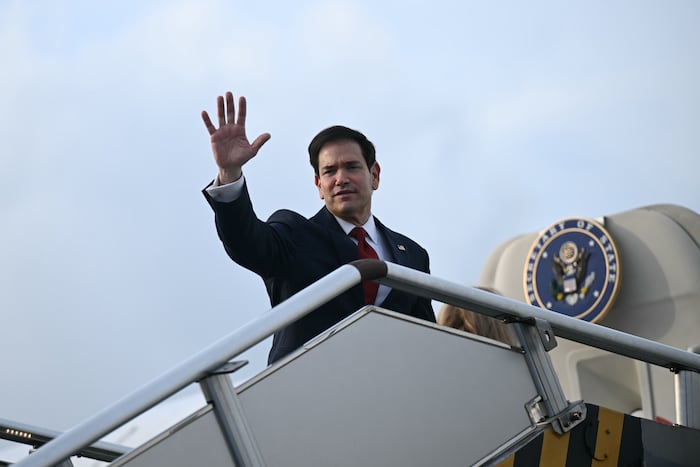
Cuba espionage activities targeting the United States remain a critical concern for national security, according to statements made by U.S. Secretary of State Marco Rubio during a Fox News interview on August 2, 2026. For Miami’s vibrant Cuban-American community, this news carries particular significance as the city continues to serve as the heart of Cuban diaspora culture in America.
The high-profile announcement has sparked conversations across South Florida, where generations of Cuban families have built lives while maintaining close emotional ties to their homeland. Understanding what these revelations mean for local residents is essential as tensions between Washington and Havana continue to evolve.
What Marco Rubio Revealed About Cuba Espionage
During his weekend interview, Rubio detailed ongoing infiltration efforts by Cuban intelligence operatives across multiple sectors of American society. The Secretary of State emphasized that these Cuba espionage operations represent a persistent and active threat to national interests.
According to Rubio’s statements, Cuban spies have successfully penetrated several key areas:
- U.S. government agencies at various levels
- Financial institutions handling sensitive economic data
- Academic institutions conducting research and policy analysis
- Various organizations with strategic importance
Rubio was unequivocal in his assessment, declaring that Cuba continues to pose a legitimate national security threat to American interests. This marks one of the most direct statements from a top administration official regarding Cuban intelligence activities in recent years.
Why This Matters to Miami’s Cuban Community
For the estimated 1.5 million Cuban-Americans living in South Florida, news about Cuba espionage operations creates a complex emotional landscape. Many families remain deeply connected to relatives on the island while simultaneously embracing their American identity and values.
The revelations underscore the delicate balance that Miami’s Cuban population navigates daily. Community leaders have long advocated for maintaining vigilance against foreign intelligence activities while also preserving cultural connections that define Little Havana, Hialeah, and other Cuban-American strongholds.
“Cuba continues to be a national security threat to the U.S.,” stated Secretary of State Marco Rubio during his Fox News interview, reinforcing the administration’s firm stance on Cuban intelligence operations.
Expert Analysis on Cuba Espionage Threats
Dr. Andy S. Gomez, a renowned Cuba analyst and former University of Miami scholar, has provided ongoing analysis of these developments. Considered one of the leading experts on Cuban affairs, Dr. Gomez brings over three decades of academic experience to his assessments of U.S.-Cuba relations.
His expertise has proven invaluable in helping South Florida residents understand the nuanced implications of Cuban espionage activities. After retiring from higher education in 2012, Dr. Gomez has continued contributing vital insights into Cuban political dynamics and their impact on American communities.
The ongoing Cuba espionage threat requires constant monitoring and public awareness, particularly in regions like Miami where Cuban-American influence shapes local politics, business, and culture.
Historical Context of Cuban Intelligence in America
Cuban intelligence operations in the United States are not a new phenomenon. For decades, the Cuban government has maintained sophisticated networks designed to gather information and influence policy decisions. Understanding this historical context helps Miami residents appreciate the significance of Rubio’s recent warnings.
Key historical incidents include:
- The Wasp Network case that led to multiple arrests in the late 1990s
- Various academic infiltration attempts documented over the years
- Ongoing digital surveillance concerns in the modern era
- Diplomatic tensions following the mysterious Havana Syndrome incidents
These precedents demonstrate why federal officials remain concerned about Cuba espionage activities and why communities like Miami must stay informed about potential threats.
What Miami Residents Should Know Moving Forward
As Cuba espionage concerns continue making headlines, Miami’s Cuban-American community can take several steps to stay informed and engaged. Local organizations and civic groups often host educational events discussing U.S.-Cuba relations and their implications.
Residents interested in understanding these issues more deeply should consider:
- Following updates from trusted local analysts like Dr. Andy Gomez
- Engaging with community organizations focused on Cuban affairs
- Staying informed through reputable news sources covering U.S.-Cuba relations
- Participating in civic discussions about national security policy
The ongoing dialogue about Cuba espionage affects not only national policy but also the daily lives of Miami families with connections to the island. As Secretary Rubio continues addressing these threats, South Florida will undoubtedly remain at the center of this important conversation.
For Miami’s Cuban community, these developments serve as a reminder of the complex relationship between their heritage and their adopted homeland. Staying informed and engaged remains the best approach as this story continues to unfold throughout 2026 and beyond.