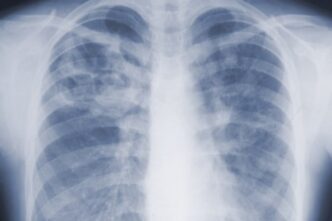
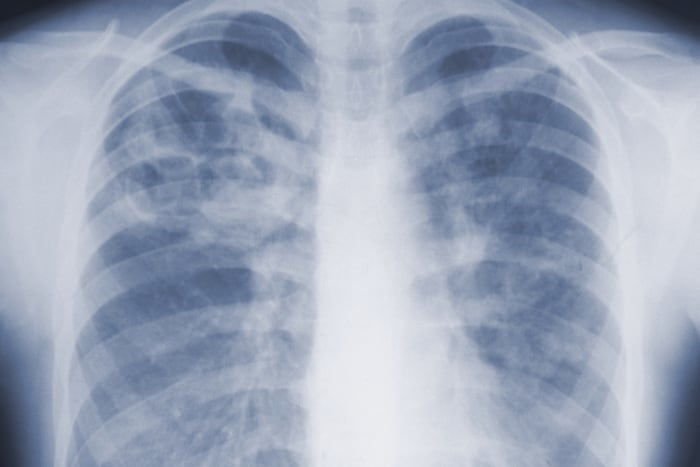
A groundbreaking study released on July 29, 2026, is raising important questions about a health threat that could be particularly relevant to Miami residents: invasive mold infections. The research, conducted by the U.S. Centers for Disease Control and Prevention, suggests these potentially deadly infections may be far more common than previously understood, especially in regions prone to humidity, flooding, and hurricane activity.
What the New Research Reveals About Mold-Related Illness
The CDC study examined Atlanta-area hospitals over a five-year period from 2020 to 2024, identifying approximately 450 confirmed cases of invasive mold disease. Perhaps most alarming was the mortality rate: about one-third of patients diagnosed with these infections did not survive their hospital stay. This represents the first comprehensive attempt to gauge the prevalence of mold-associated illness at a local level in the United States.
“It’s kind of the first time we’ve had an estimate like this,” said Dr. Jeremy Gold, the CDC’s senior author on the study. He emphasized that understanding mold infections is increasingly important as climate change influences the frequency and intensity of natural disasters.
The findings suggest hospitals can expect to encounter 3 to 5 cases annually for every 100 inpatient beds, with larger academic medical centers seeing higher rates due to their treatment of more complex conditions. Previously, CDC researchers estimated more than 15,000 hospitalizations each year could be connected to invasive mold disease nationwide.
Why This Matters Especially for Miami’s Community
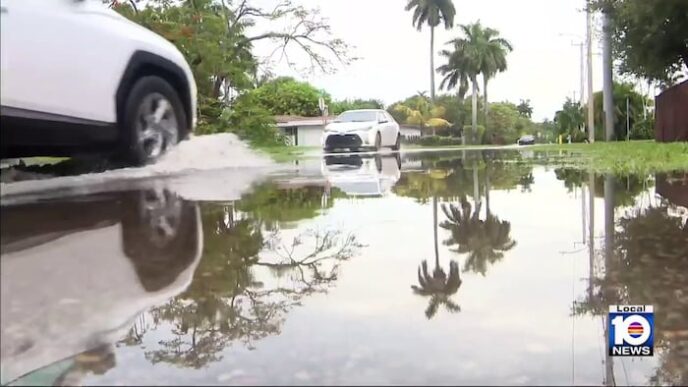
For residents of South Florida, mold awareness should be a top priority. Our subtropical climate, with its high humidity levels and annual hurricane season, creates ideal conditions for mold growth. The study specifically noted that mold exposure becomes a recurring problem following hurricanes, floods, and other natural disasters influenced by climate change.
Miami families should understand the risk factors that make certain individuals more vulnerable to mold-related health problems:
- Elderly individuals with naturally weakened immune systems
- Cancer patients undergoing chemotherapy or radiation treatment
- People living with HIV/AIDS or other immunocompromising conditions
- Those recovering from severe illnesses, including COVID-19
- Individuals with chronic respiratory conditions
While most healthy people can inhale mold spores without experiencing serious health consequences, these vulnerable populations face potentially life-threatening risks. The spores can enter the body through inhalation, through cuts and wounds, or even from contaminated medical equipment in healthcare settings.
Expert Perspectives on the Growing Threat
Dr. Jeffrey Jenks, an infectious disease researcher at Duke University, validated the study’s significance while calling for broader research. He described the findings as valuable and expressed agreement that fungal infections will likely increase alongside climate change impacts.
The research team initially identified nearly 1,000 potential cases before narrowing their focus to 450 confirmed instances of invasive mold disease. This rigorous methodology suggests the actual burden of mold infections could be even higher than current estimates indicate, particularly since the government does not require doctors to report these illnesses.
Protecting Your Home and Family in Miami’s Climate
Given our region’s particular vulnerability to mold growth, Miami residents can take proactive steps to minimize exposure and protect their loved ones:
- Monitor indoor humidity levels and keep them below 60 percent
- Repair any water leaks promptly and thoroughly dry affected areas within 48 hours
- Ensure proper ventilation in bathrooms, kitchens, and laundry areas
- Consider professional mold inspection, especially after any flooding events
- Replace air conditioning filters regularly and schedule routine HVAC maintenance
- Store important documents and belongings in waterproof containers during hurricane season
Following any storm or flooding event, residents should be especially vigilant about mold growth. The warm, damp conditions that follow hurricanes create perfect environments for rapid mold proliferation. If visible mold appears or musty odors develop, seeking professional remediation services is strongly recommended, particularly for families with vulnerable members.
Looking Ahead: What More Research Could Tell Us
While the Atlanta-based study provides crucial baseline data, researchers acknowledge that mold prevalence varies significantly by region. Dr. Jenks noted that seeing results from similar studies conducted in different parts of the United States would be helpful for building a comprehensive national picture of this health threat.
For Miami’s diverse Latin community, staying informed about environmental health risks represents an important aspect of caring for our families. As climate patterns continue to shift and our region faces increasingly intense storm seasons, understanding threats like invasive mold infections empowers us to make better decisions about home maintenance, healthcare, and protecting our most vulnerable loved ones.
The CDC study serves as an important reminder that health threats can emerge from unexpected sources. By remaining vigilant about mold exposure and taking preventive measures, Miami residents can reduce their risk while enjoying everything our beautiful, if humid, city has to offer.