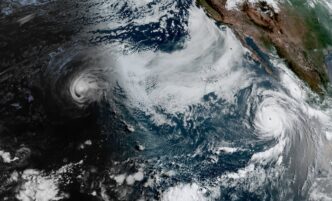
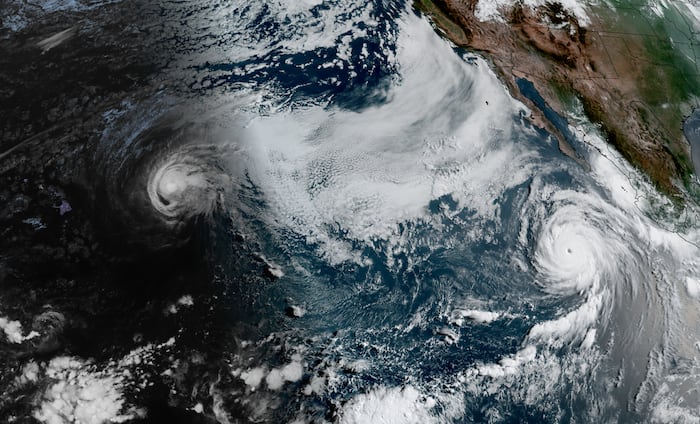
As Miami residents keep a watchful eye on the tropics during hurricane season, the latest weather developments bring a mixed picture that offers both caution and comfort. On July 28, 2026, meteorologists reported that Hurricane Genevieve exploded into a Category 5 monster over the eastern Pacific, while the Atlantic basin remains remarkably tranquil for this time of year. For our community here in South Florida, understanding these patterns is essential for planning everything from beach days to emergency preparedness.
Historic Hurricane Genevieve Makes Waves in the Pacific
Hurricane Genevieve achieved something truly extraordinary over the weekend, strengthening an impressive 75 mph in just 24 hours. This rapid intensification pushed the storm to Category 5 status by early Monday morning, making it one of the most powerful hurricanes to form in the eastern Pacific in recent memory. According to meteorological records, this type of explosive strengthening is incredibly rare, occurring in fewer than one percent of all hurricane observations since 1970.
Genevieve is the first Category 5 hurricane in the eastern Pacific since Kristy in October 2024 and only the 21st Category 5 hurricane observed in the eastern Pacific since routine satellite monitoring began 60 years ago.
The good news for Miami and the broader Caribbean region is that Genevieve poses no threat to land. The powerful storm is expected to gradually weaken as it moves over the open Pacific waters throughout the week. However, its predecessor, Tropical Storm Fausto, continues to impact Hawaii with dangerous surf conditions reaching 14 to 18 feet on east-facing shorelines.
What This Means for Miami’s Hurricane Season
While the Pacific has been experiencing above-average tropical activity, the Atlantic tells a completely different story. Wind shear, which is the enemy of hurricane development, remains exceptionally high across the Caribbean and tropical Atlantic. In fact, over the past two weeks, wind shear over the western Atlantic has reached record-breaking levels, the highest since at least 1979 and even surpassing other strong El Niño years like 2015.
This hostile environment for hurricane formation means that Miami residents can expect the Atlantic to stay dormant through at least the first week of August. However, this temporary respite should not lead to complacency. The hurricane season extends through November, and conditions can change rapidly.
Understanding El Niño’s Impact on Hurricane Patterns
The current strong El Niño conditions are playing a significant role in shaping this year’s hurricane season patterns. Here is what meteorologists have observed about El Niño’s influence:
- Later ramp-up to seasonal activity in the eastern Pacific compared to typical years
- A more defined activity peak expected in mid-August
- Extended hurricane season duration compared to non-El Niño years
- Increased wind shear in the Atlantic basin, suppressing storm development
- Record-breaking hostile conditions for tropical storm formation in the Caribbean
For Miami’s Latin community, many of whom have family connections throughout the Caribbean and Central America, these patterns offer valuable insights for travel planning and staying connected with loved ones in hurricane-prone regions.
Staying Prepared Despite the Quiet Atlantic
While the current Atlantic hurricane season outlook appears favorable, experienced Miami residents know that preparation remains essential. The city’s vibrant coastal lifestyle means that storm readiness should always be part of the equation. This is the perfect time to review emergency plans, stock up on supplies, and ensure that important documents are secure and accessible.
Local emergency management officials continue to monitor conditions closely, and Miami-Dade County resources remain available for residents seeking guidance on hurricane preparedness. Whether you are a longtime Miami resident or new to the area, understanding the rhythms of hurricane season is part of embracing life in this beautiful coastal paradise.
As the Pacific sizzles with impressive storm activity and the Atlantic enjoys an unusual period of calm, Miami continues to thrive under sunny skies. Stay informed, stay prepared, and enjoy all the wonderful experiences our city has to offer during these quieter weeks of the 2026 hurricane season.