The Democratic Republic of Congo is facing an unprecedented health crisis as the Ebola outbreak continues to spread at an alarming rate, with health workers at treatment centers walking off the job over unpaid wages. As of July 25, 2026, the outbreak has claimed over 1,300 lives, raising concerns across the global health community and among Miami residents with ties to Central Africa.
Understanding the Current Ebola Crisis in Congo
The Ebola outbreak in Congo has reached staggering numbers, with 2,973 confirmed cases and 1,309 deaths according to the latest government data. Health authorities have described this as the fastest-growing Ebola outbreak on record, primarily affecting the eastern province of Ituri, which accounts for nearly 90 percent of all confirmed cases.
The situation became more dire on July 25, 2026, when health workers at the Elikya Ebola Treatment Center in Bunia, Ituri province, went on strike demanding their unpaid wages. Doctors, nurses, and security staff ceased operations, bringing patient care to a complete standstill at one of the region’s critical treatment facilities.
“We need to be paid, because in the meantime the disease is spreading at the treatment center. I’ve already had five people die who are still inside there. A solution must be found for us.” — Martin Bolombi, health worker at Elikya Treatment Center
Why Health Workers Are Striking During the Crisis
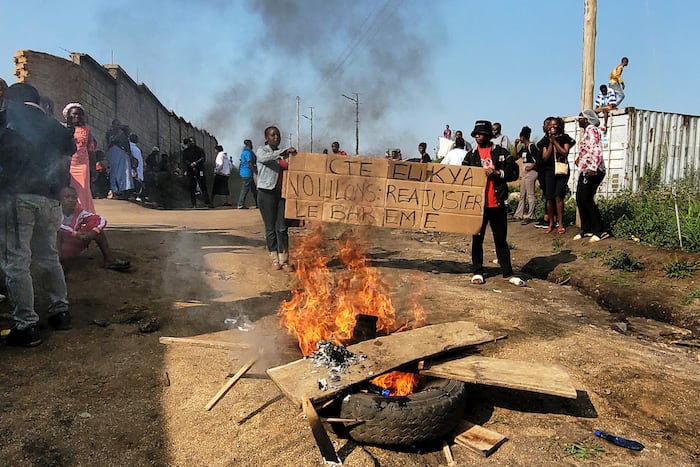
Approximately one hundred health workers gathered outside the treatment center to protest what they describe as two months of unpaid performance bonuses. The workers unanimously voted to strike until authorities provide concrete solutions to resolve the payment backlog. This labor action follows a similar strike at Bunia General Hospital, the region’s largest medical facility, where some workers reported receiving no payment since they began working at the outbreak’s onset.
The World Health Organization reports that more than 100 healthcare workers have been infected with the Ebola virus since the outbreak began, highlighting the tremendous personal risk these professionals face while caring for patients.
- 2,973 confirmed Ebola cases in Congo
- 1,309 deaths attributed to the outbreak
- 766 patients currently in isolation or hospitalized
- 540 patients have recovered
- Over 100 healthcare workers infected
Government Response and Ongoing Challenges
Congo’s Prime Minister Judith Suminwa visited Ituri province on July 24, 2026, touring major treatment hubs in Rwampara and Mongbwalu to assess the outbreak response. During her visit, she faced urgent demands from healthcare personnel regarding payment issues. Dr. Adelard Lufungula, operations manager for the Ebola response, stated that payment issues are being resolved, with workers now being paid via mobile money instead of cash.
The outbreak, caused by the rare Bundibugyo strain of the Ebola virus, presents unique challenges for health officials. Unlike the more common Zaire strain, there are no approved vaccines or treatments specifically for the Bundibugyo virus. This makes containment efforts significantly more difficult and underscores the urgency of the current medical trials.
Challenges Hampering the Ebola Response
Multiple factors are complicating efforts to contain the Congo Ebola outbreak. Patient zero has not been identified, making it impossible to fully trace the virus’s spread. Additionally, ongoing armed conflict and illegal mining operations in eastern Congo have displaced populations, making contact tracing extremely challenging.
- Unidentified patient zero complicates tracing efforts
- Population displacement from armed conflict
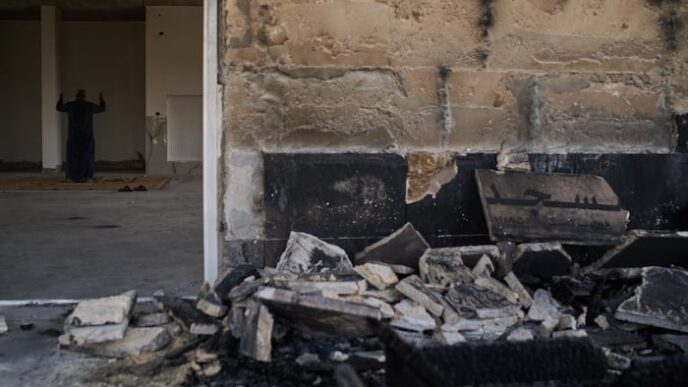
- Attacks on health centers
- Funding gaps in response efforts
- Community mistrust of health workers
- No approved vaccine for Bundibugyo strain
In positive news, enrollment in a highly anticipated study of two possible Ebola treatments has recently begun in Ituri province, offering hope for future therapeutic options.
What This Means for Miami’s Global Community
While the World Health Organization assesses the global risk of this Ebola outbreak spreading outside Central Africa as low, Miami’s diverse population maintains strong connections to communities worldwide. The Ebola virus spreads through direct contact with bodily fluids of infected individuals rather than through airborne transmission, making it much harder to spread than respiratory illnesses.
For Miami residents with family or business connections to Central Africa, staying informed about the Congo Ebola crisis is essential. The international community continues to monitor the situation closely, with health organizations working to support containment efforts and medical research that could benefit patients in the affected region.
The ongoing health worker strikes highlight a critical lesson for global health responses: sustainable healthcare systems require adequate compensation and support for frontline workers, especially during deadly outbreaks when their services are most desperately needed.