
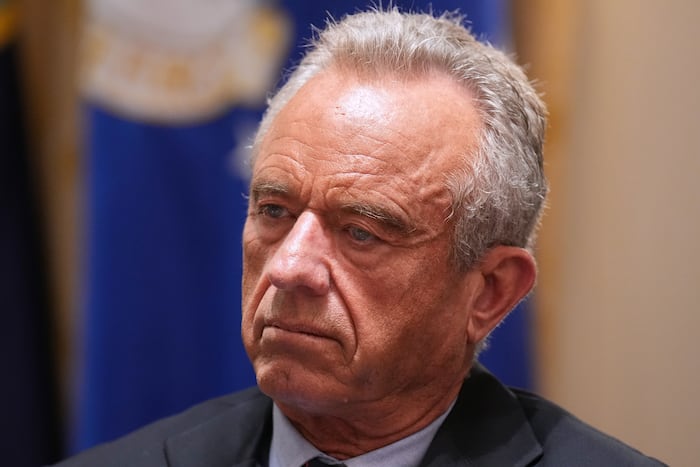
Federal health advisers gathered on July 23, 2026, to begin a comprehensive two-day review of more than seven peptide compounds that have gained massive popularity among wellness enthusiasts, despite limited scientific evidence supporting their safety or effectiveness. The meeting, hosted by the Food and Drug Administration, has drawn significant attention due to the involvement of Health Secretary Robert F. Kennedy Jr., who has publicly expressed his support for these substances.
What Are Peptides and Why Are They Controversial?
Peptides are essentially the building blocks of more complex proteins that trigger essential hormones in the human body responsible for growth, metabolism, and healing processes. While pharmaceutical companies have successfully developed several peptide-based medications, including widely-used treatments for diabetes and weight management, the compounds under FDA review this week exist in a different category altogether.
The substances being examined have been promoted through social media platforms and wellness circles for various purported benefits, including:
- Muscle building and enhanced athletic performance
- Faster recovery from injuries and surgeries
- Reduced inflammation throughout the body
- Anti-aging effects and improved skin appearance
- Treatment for conditions like ulcerative colitis and migraines
- Potential help with opioid addiction
Among the most notable supporters of these peptides is podcast host Joe Rogan, along with wellness influencer Gary Brecka, who actively sells peptide vials through his online platform. Brecka has been a vocal advocate of Kennedy’s “Make America Healthy Again” initiative, which has pushed for loosening restrictions on alternative health products.
FDA Scientists Express Serious Safety Concerns
Despite the growing popularity of these substances, career scientists at the FDA have maintained a cautious stance. In scientific reviews published ahead of the meeting, regulators repeatedly emphasized the lack of adequate data regarding both safety and effectiveness of the peptides under consideration.
“This is really alarming. There aren’t that many other substances people are injecting into themselves where you see that the clinical evidence is so lacking.” – Rita Jew, pharmacist and president of the Institute for Safe Medication Practices
The FDA’s concerns extend beyond just effectiveness. Regulators have raised red flags about potential risks including contamination during production, severe allergic reactions, and quality control issues at compounding pharmacies that would produce these formulations. Notably, most available research data comes from animal studies, particularly those conducted on rats, rather than comprehensive human clinical trials.
Two specific peptides facing review, BPC-157 and TB-500, have previously been the subject of FDA warnings to American consumers. Both substances are marketed online as recovery aids that reduce inflammation, and both are classified as doping substances by international sports authorities, making them prohibited for competitive athletes.
Conflicts of Interest Cloud the Review Process
The composition of the expert advisory panel has raised eyebrows among health advocates and medical professionals. At least seven doctors or pharmacists serving on the panel have documented financial ties to the peptide industry. These connections include ownership stakes in wellness clinics that sell peptides, pharmacies that manufacture the formulations, and online consulting businesses that actively promote these products.
In response to mounting criticism, the FDA added several additional experts to the 20-member panel earlier this week, including academics without industry connections. However, concerns about potential conflicts of interest persist, echoing similar criticisms that have been directed at other expert panels appointed under Kennedy’s leadership.
The advisory panel will vote on whether the FDA should permit these seven popular peptides to be added to an approved list for compounding by specialized pharmacies. These pharmacies create customized medications that aren’t available from traditional pharmaceutical manufacturers. It’s worth noting that the votes are advisory in nature and not binding, meaning the FDA could ultimately reject the panel’s recommendations.
Prior to the meeting, the FDA received more than 1,900 public comments, indicating the significant public interest surrounding this regulatory decision. The two-day session includes over 18 hours of scheduled discussions, presentations, and opportunities for public testimony, making it one of the most extensive reviews of alternative health products in recent memory.
For Miami’s health-conscious community, the outcome of this FDA review could have significant implications for access to these popular wellness products, as well as the broader regulatory approach to alternative treatments under the current administration.