A relentless week of severe storms has plunged Texas into a flooding emergency that has claimed at least two lives and forced emergency responders to rescue more than 200 people trapped by rapidly rising waters. The crisis, which reached critical levels on July 17, 2026, has affected millions of residents across southern and central regions of the Lone Star State.
Widespread Devastation Across Multiple Counties
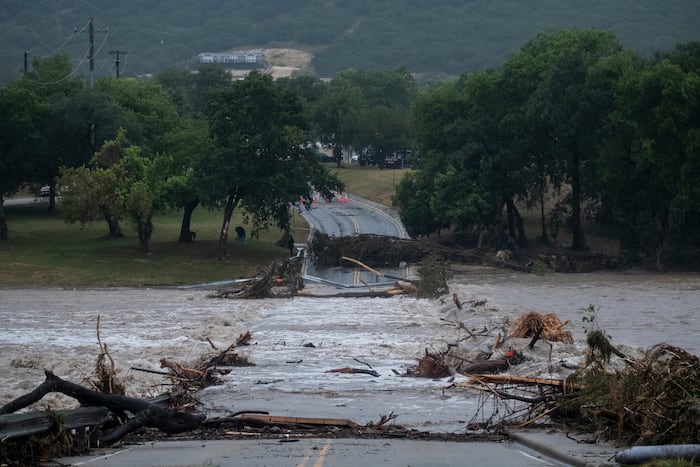
The punishing downpours, which dumped more than 2 feet of rain in some areas over the course of several days, have created dangerous conditions that show no signs of immediate relief. Near the small town of Ozona, approximately 200 miles west of San Antonio, floodwaters completely overwhelmed Interstate 10, while a section of a bridge collapsed over the Nueces River in Uvalde County.
Governor Greg Abbott confirmed that emergency personnel across a wide swath of southern and central Texas have conducted extensive rescue operations, pulling stranded drivers from vehicles and extracting families trapped inside their flooded homes. The scope of the disaster is staggering:
- More than 200 people rescued across affected areas
- Approximately 6 million residents placed under flood watches throughout the week
- A 50-mile stretch of U.S. Highway 57 closed due to high waters
- Major roadways not expected to reopen until July 21, 2026
- Nearly 1 trillion gallons of rainfall in the three hardest-hit counties over three days
According to Ryan Maue, former chief scientist at the National Oceanic and Atmospheric Association, Uvalde County alone received more rain during this three-day period than the entire state of California has seen over the past month. This extraordinary volume of precipitation has pushed rivers and creeks well beyond their capacity.
Uvalde Residents Begin Painful Cleanup Process
In Uvalde, one of the cities most severely impacted by the flooding, waters finally began receding on July 17, 2026, allowing officials to reopen Route 90 after floodwaters had completely cut off most routes leading in and out of the city. Residents who had evacuated before the worst of the flooding began returning to assess the damage to their properties.
“Well, really it’s very, very emotional. Material things I can replace. It may take a while, but I can replace those but I cannot replace my family. So, my family’s safe and that’s all that really matters.”
These words from Sandra Gomez, a Uvalde homeowner, capture the sentiment shared by many affected residents. Gomez found approximately 6 inches of water had infiltrated her home, leaving mud throughout the residence she has occupied since 2025. She considers herself fortunate compared to neighbors whose homes were submerged under 5 or 6 feet of water.
Tragic Loss of Life
The flooding has claimed at least two victims. One person died after being swept away while driving on a flooded road near Uvalde. The second victim, 65-year-old John Mark Steward of Kerrville, perished when his mobile home was carried into Goat Creek on the Guadalupe River. His wife confirmed the tragic circumstances of his death.
The Guadalupe River holds painful memories for the region, as it was the site of devastating flash floods a year ago that claimed the lives of two dozen children and counselors at Camp Mystic. Authorities reported on July 16, 2026, that summer campers at area facilities remained safe during this latest flooding event.
Ongoing Rescue Operations Continue
In Crockett County, authorities evacuated more than 50 people on the morning of July 17, 2026, from apartments and an RV park in the southern portion of Ozona. Seven rescue boat teams transported displaced residents to the local civic center for emergency shelter.
Sutton County Sheriff’s Chief Deputy Jon Gann expressed serious concern about the ongoing threat, warning that water levels remain dangerously high. Local officials fear that any additional rainfall could send floodwaters directly into residential areas that have so far escaped the worst damage.
The Texas Hill Country faces particular vulnerability to flash flooding because the region’s characteristic limestone terrain is covered by only a thin layer of soil. During heavy rainfall events, water rapidly cascades downhill rather than being absorbed into the ground, creating sudden and dangerous flood conditions with little warning.
As cleanup efforts begin in some areas, residents in rural communities near the Mexican border remain on high alert as rivers continue to swell from the accumulated rainfall of recent days. Emergency management officials urge all Texans in affected areas to stay informed and prepared for rapidly changing conditions.