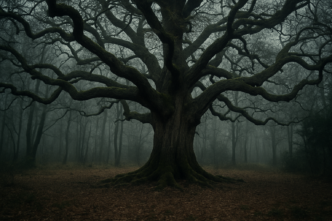
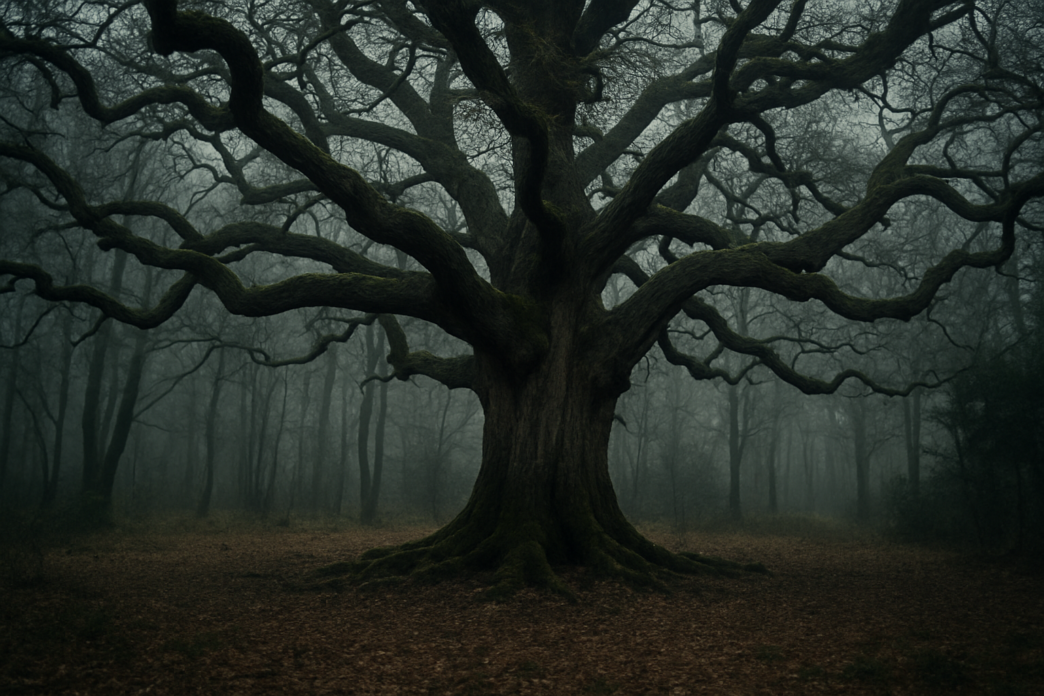
One of England’s most beloved natural landmarks has reached the end of its extraordinary journey. The Major Oak, the legendary 1,200-year-old tree in Sherwood Forest that folklore claims once provided shelter to the famous outlaw Robin Hood, has officially died after failing to produce leaves this spring.
The Royal Society for the Protection of Birds confirmed the devastating news on Thursday, explaining that the ancient oak’s root system had been effectively strangled and starved over decades. Millions of visitors who came to admire the tree’s massive twisted limbs and sprawling canopy inadvertently contributed to its demise by compacting the soil around it, preventing rainwater from reaching its roots.
According to legend, Robin Hood used this very tree as a hideout while evading the Sheriff of Nottingham during his 13th-century campaign of stealing from the wealthy to help the poor. The oak gained its famous name after being featured in a book by Major Hayman Rooke in 1790, which sparked the first wave of admirers making pilgrimages to the forest.
Conservation experts point to multiple factors in the tree’s decline, including human foot traffic, structural interventions using cables and poles to support its massive branches, and the effects of climate change bringing increasingly severe heat waves and drought conditions. Despite being protected by a fence since the 1970s, the damage had already been done.
While the loss is heartbreaking for nature lovers and history enthusiasts alike, officials say the Major Oak will remain standing as a natural monument at the heart of Sherwood Forest. The tree will continue to support the local ecosystem even in death, preserving its place in the enduring legend of Robin Hood for future generations to appreciate.