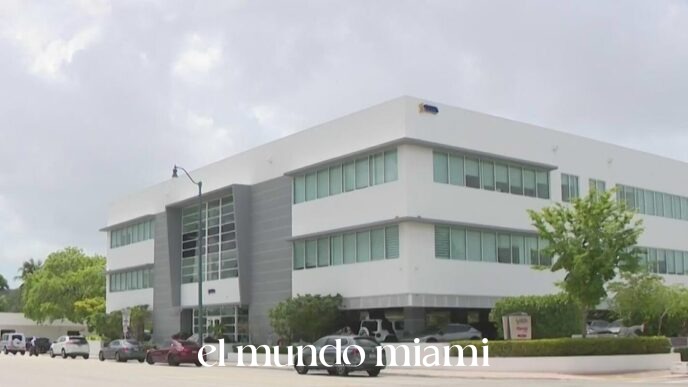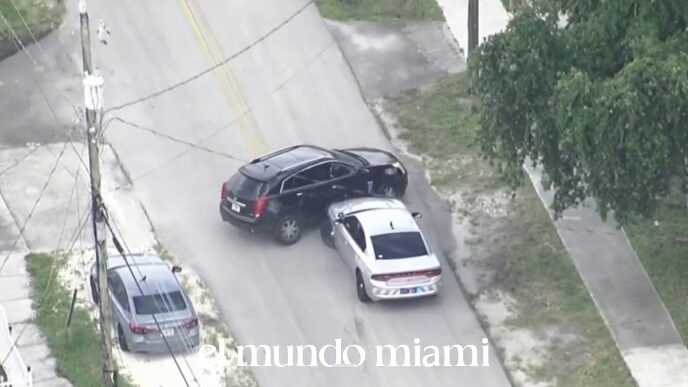

A Miami family has become the latest victim of an alleged rental scam on Facebook Marketplace, losing thousands of dollars in what authorities say is a growing trend of fraudulent listings targeting desperate renters in South Florida.
The incident highlights the increasing dangers faced by families searching for housing through social media platforms, where scammers exploit the convenience and reach of online marketplaces to perpetrate fraud.
The Growing Threat of Online Rental Scams
Facebook Marketplace has become a popular platform for rental listings, offering what appears to be a convenient way to connect landlords with potential tenants. However, the ease of posting listings has also made it an attractive target for scammers who create fake rental advertisements to deceive unsuspecting victims.
The Miami family’s experience serves as a cautionary tale for others searching for housing in the competitive South Florida rental market, where high demand and limited inventory often push people to act quickly when they find what appears to be a good deal.
Red Flags in Online Rental Listings
Law enforcement officials and consumer protection advocates have repeatedly warned about common warning signs that potential renters should watch for when browsing online rental listings:
- Prices significantly below market rate for the area
- Landlords who refuse to meet in person or show the property
- Requests for payment through untraceable methods such as wire transfers or gift cards
- Pressure to send money quickly to secure the property
- Landlords who claim to be out of town or unable to meet face-to-face
Protecting Yourself from Rental Fraud
Consumer protection experts recommend several steps that potential renters can take to avoid falling victim to similar scams:
Always visit the property in person before making any payments. Legitimate landlords will allow prospective tenants to view the property and meet face-to-face.
Verify ownership of the property through public records or by contacting the property management company directly using contact information found independently, not provided by the person listing the rental.
Never wire money or send payment through untraceable methods. Use secure payment methods that offer fraud protection and keep detailed records of all transactions.
Research the person or company offering the rental. Check for online reviews, verify business licenses, and be wary of newly created social media accounts with little activity or history.
The Impact on South Florida Families
The financial and emotional toll of rental scams extends beyond the immediate loss of money. Families often lose their savings, face housing insecurity, and experience significant stress as they attempt to recover from the fraud and continue their search for legitimate housing.
The competitive nature of South Florida’s rental market makes families particularly vulnerable, as they may feel pressured to act quickly when they encounter what seems like an affordable option.
Reporting Suspected Fraud
Authorities encourage anyone who believes they have encountered a rental scam to report it immediately to local law enforcement and the Federal Trade Commission. Reporting these incidents helps authorities track patterns of fraud and potentially prevent others from becoming victims.
Social media platforms like Facebook also have reporting mechanisms that allow users to flag suspicious listings, helping to remove fraudulent content before it can harm additional victims.