The progressive capital city of Madison, Wisconsin is experiencing significant community upheaval following a police shooting on July 23, 2026, that has led to the cancellation of several beloved summer events and reignited conversations about racial justice and police accountability across the nation.
What Happened in Madison This Week
Corey Ruiz, identified as Black or Latino in Wisconsin court records, was shot and killed by a Madison police officer on July 23 following a brief altercation at an intersection near a popular 52-year-old food co-op in one of the city’s most liberal neighborhoods. This marks the third time since 2012 that Madison police have shot and killed someone in the same area, bringing renewed attention to deep racial divisions in a city that is approximately 70% white.
Civil rights attorney Ben Crump, who represents the Ruiz family, held a press conference at the state Capitol on July 25, demanding criminal charges against the officer who fired the shots. Investigations into the shooting continue as the community processes the tragedy.
Major Summer Events Canceled or Disrupted
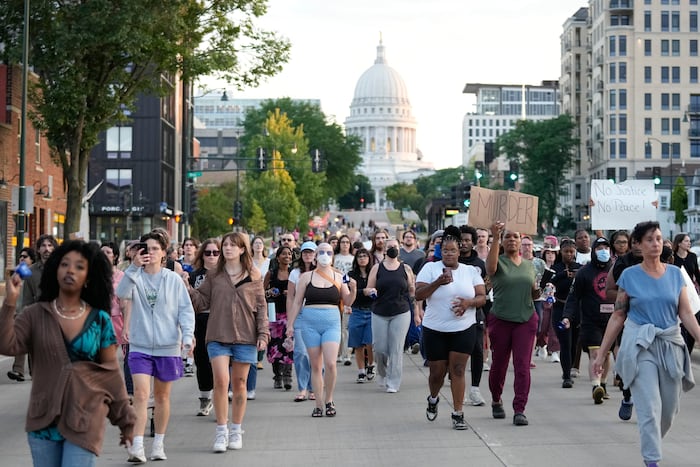
The fallout from the shooting has significantly impacted Madison’s vibrant summer event calendar. Protesters took to the streets within hours of the incident, disrupting a popular Wisconsin Chamber Orchestra outdoor concert at the state Capitol that typically attracts around 30,000 attendees each week during summer months.
- Wisconsin Chamber Orchestra Concert: Canceled after protesters stood over white concert attendees seated at tables near the stage, some of which cost up to $1,800 to rent
- New Public Market Grand Opening: Postponed due to protest threats, located just blocks from the shooting site
- AtwoodFest: The beloved neighborhood festival, scheduled to begin July 26, was completely canceled
- Downtown Farmers Market: Closed nearly four hours early on July 26 in solidarity with protesters
“Our community and our Marquette neighbors witnessed another horrific officer-involved shooting just blocks from our festival grounds, leaving us in deep pain and justified anger. In acknowledgment of what has happened far too often in our community and our country as a whole, this year’s AtwoodFest, themed ‘The Heartbeat of the Neighborhood,’ is canceled.”
Community Voices: Divided Reactions
The Madison community has shown mixed reactions to the event cancellations and early closures. Black activist Clyde Mayberry posted on Facebook on July 25 amid the string of cancellations, stating that the community has spoken loud and clear that this is not business as usual, and that decisions to cancel events help ensure the city continues to acknowledge the pain, loss, and call for accountability.
At the farmers market on July 26, protesters gathered at the Capitol as vendors began breaking down their booths around 10 a.m. Reba Bergmann and Lilly Nimmer held a sign reading “Justice for Corey,” emphasizing that no one should be thinking this is just another Saturday.
Supporters of the Cancellations
Charles Alt, a 30-year-old market shopper, expressed support for the early closure, noting that it is important to keep focus on the real tragedy, which is that someone was killed. He acknowledged that missing market time is sad but emphasized that it is not what is truly important in this moment.
Critics of the Disruptions
Not everyone agreed with the approach. Rodney Hathaway, visiting Madison from Milwaukee, was caught off guard by the market’s early closure and called the situation ridiculous. He pointed out that these events represent peoples’ livelihoods and noted the unfortunate timing given Wisconsin’s short summer season for vendors to sell their products.
Why This Matters Beyond Wisconsin
For communities across America, including Miami’s Latin community, the events unfolding in Madison serve as a reminder of the ongoing national conversation about police reform, racial justice, and community accountability. The shooting and subsequent protests highlight how quickly local incidents can spark broader movements and force cities to confront difficult questions about public safety and civil rights.
As investigations continue and the Madison community navigates this challenging period, the cancellation of signature events demonstrates the power of collective action and the difficult balance between honoring tragedy and maintaining daily life. The situation remains fluid as community leaders, activists, and officials work toward meaningful dialogue and potential reforms in the wake of this latest police shooting incident.