


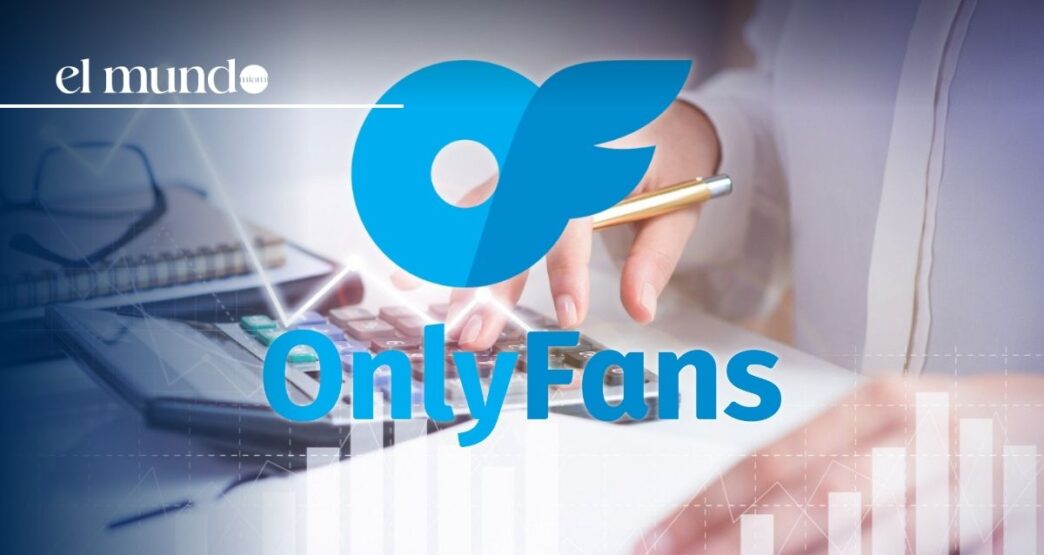
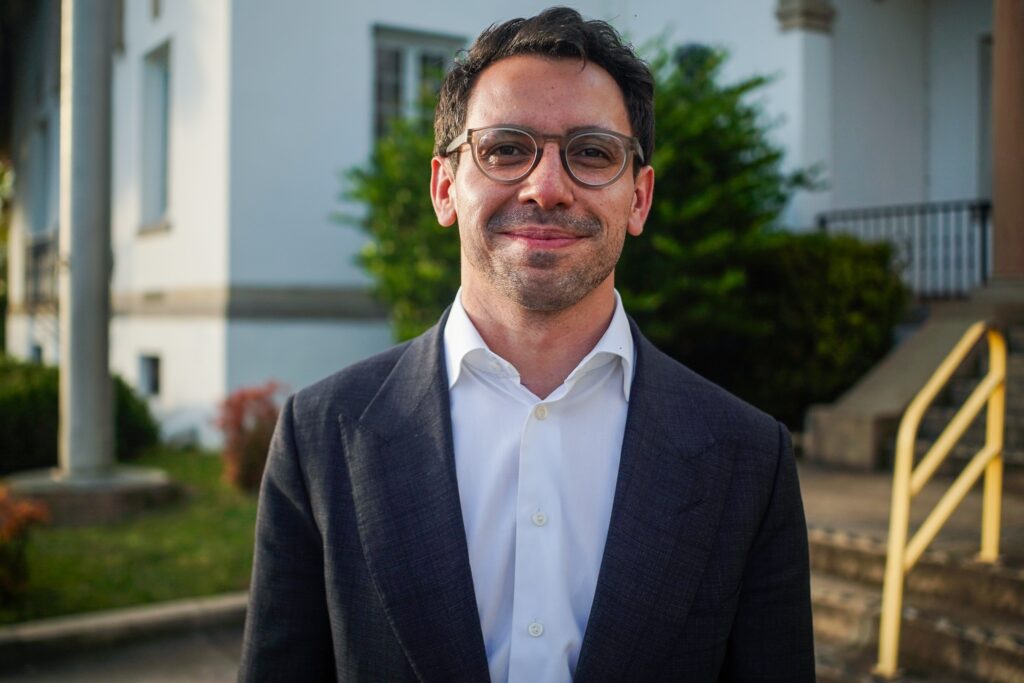
Florida could become the first U.S. state to impose a special tax of up to 50% on the income of OnlyFans models if James Fishback, a Republican gubernatorial candidate, wins the November election.
The initiative, described by the politician himself as a “sin tax”, has ignited debate over its moral underpinnings, legal implications, and direct impact on Florida’s digital economy, especially in Miami, considered the U.S. capital of OnlyFans creators.
What does James Fishback propose regarding OnlyFans in Florida?
James Fishback proposes that all OnlyFans models residing in Florida pay the state 50% of their earnings generated on the platform, a measure aimed not only at raising public revenue but also at discouraging the use of OnlyFans.
“It’s called a sin tax because it’s a sin. In economics, this type of tax seeks to discourage certain behaviors”, Fishback declared on the NXR podcast, statements picked up by the EFE news agency.
The candidate argues that the state should not financially incentivize activities linked to adult content, even tho OnlyFans is a legal platform that generates billions of dollars annually.
Where would the money from the OnlyFans tax go?
According to Fishback himself, the revenue, which he estimates at hundreds of millions of dollars annually, would be allocated to three main areas:
- Fund the Florida education system.
- Support crisis centers for pregnant women.
- Create the position of “Men’s Mental Health Czar” within the state government.
The candidate claims that Florida could become a national model for fiscal regulation of digital content.
Read more: Al-Ittihad’s multimillion-dollar offer that Messi rejected to play for Inter Miami has been revealed
Miami, the city most affected by the OnlyFans tax
The impact of the tax would be especially strong in Miami, the city with the highest concentration of OnlyFans creators in the United States.
According to a 2023 study by Madhouse Labs, Miami has 1,110 creators per 100,000 residents, the highest ratio in the country.
OnlyGuider’s data reinforce the economic dimension of the phenomenon:
- Miami is the fourth city in the world in terms of spending on OnlyFans, with $374,921 per 10,000 residents in 2025.
- Orlando, also in Florida, ranks second worldwide, with $466,430 per 10,000 residents.
- The United States leads global spending, with .637 billion on OnlyFans in 2025.
These figures explain why Florida is a key hub in the OnlyFans economy and why a 50% tax would have immediate consequences.
Fishback’s stance on adult content
Fishback has been unequivocal in her moral stance on OnlyFans and online sexual content.
“As governor of Florida, I don’t want young women who could be starting families selling their bodies online”, he said in public statements.
The 31-year-old Republican candidate is the director of the investment firm Azoria Partners, the son of a Colombian mother and an American father, and is seeking to succeed the current governor, Ron DeSantis.
Reactions from OnlyFans models and creators in Florida
The proposal has sparked rejection among content creators, who warn that the measure could trigger a massive exodus of talent and capital to other states.
One of the most visible voices is Sophie Rain, a model who reported $43 million in earnings in 2024, her first year on the platform.
Florida is the headquarters of OnlyFans. This tax will only push creators out of the state. Fishback is attacking people who work hard for their money,” he told People magazine.
Is a 50% tax on OnlyFans legal in Florida?
For now, the so-called “sin tax” is just a campaign proposal. For it to become a reality, Fishback would have to:
- Win the governorship of Florida
- Obtain approval from the state legislature.
- Overcome potential legal challenges, as it would be a tax levied on a specific activity and a specific group of taxpayers.
Specialists anticipate that the measure could face constitutional challenges related to tax equality and economic freedom.