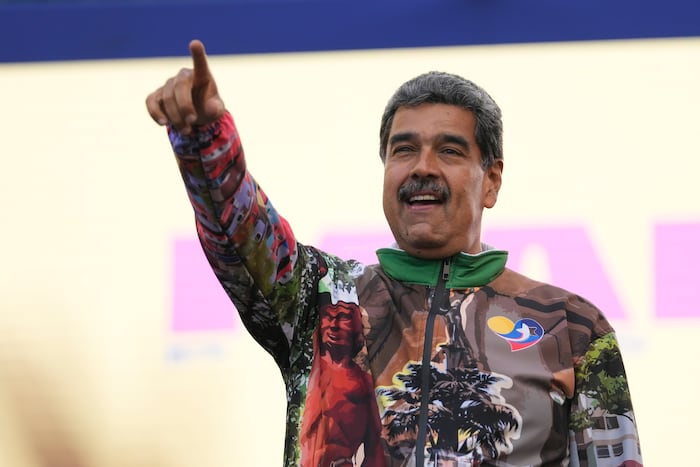
Former Venezuelan president Nicolás Maduro made his return to a Brooklyn federal courtroom on July 22, 2026, accompanied by his legal team for a crucial pretrial hearing in the drug trafficking case that has captivated international attention. The 63-year-old leader, who has been detained in a Brooklyn jail since his dramatic capture earlier this year, continues to challenge the circumstances of his arrest through his attorneys.
The Unprecedented Capture That Shocked the World
Maduro and his wife, Cilia Flores, 69, have remained in federal custody since U.S. military forces executed what officials have described as a precision operation at their Caracas residence during the early morning hours of January 2026. The couple was transported to New York to face charges that carry the possibility of life imprisonment if convicted.
Both Maduro and Flores entered not guilty pleas following their arrival in the United States. Federal prosecutors allege that the former Venezuelan leader orchestrated a massive conspiracy involving the transportation of thousands of tons of cocaine into American territory, allegedly working in coordination with Venezuelan law enforcement officials to facilitate operations for major drug trafficking organizations.
“I am not guilty. I am a decent man, the constitutional president of my country,” Maduro declared in Spanish during his January arraignment, maintaining his innocence and legitimacy as Venezuela’s leader.
Legal Battle Over Military Abduction Claims
The defense team, led by prominent attorney Barry Pollack, has signaled their intention to mount a vigorous challenge against what they characterize as an unlawful military abduction. The legal strategy centers on questioning the legitimacy of the operation that brought Maduro to American soil, raising fundamental questions about international law and sovereignty.
According to court filings, Maduro’s lawyers have indicated that several complex legal defenses must be thoroughly examined and resolved before any trial proceedings can commence. These preliminary matters are expected to generate significant legal debate in the coming months.
- Maduro faces charges related to conspiracy to distribute cocaine in the United States
- The original indictment was filed approximately six years before his capture
- Both Maduro and his wife have declined to request bail
- Judge Alvin K. Hellerstein presides over the case but has not yet established a trial date
- The defense plans to challenge the legality of the military operation that led to his arrest
Contrasting Narratives: Law Enforcement vs. Kidnapping
The Trump administration has firmly defended the operation, characterizing it as a surgical law enforcement action designed to bring a long-sought fugitive to justice. Officials point to the years-old indictment as evidence that proper legal channels were followed in pursuing Maduro’s arrest.
However, Maduro himself has adopted a dramatically different narrative, referring to himself as a prisoner of war and describing his capture as nothing short of kidnapping. This framing has resonated with supporters in Venezuela and across Latin America who view the action as a violation of Venezuelan sovereignty.
The case represents one of the most extraordinary prosecutions in recent American history, involving a sitting head of state being forcibly removed from power and transported to face criminal charges in a foreign nation. Legal experts have noted that the outcome could set significant precedents for international relations and the limits of American law enforcement authority abroad.
What Lies Ahead in This Historic Case
As pretrial proceedings continue, the world watches closely to see how the American judicial system handles this unprecedented situation. The defense team is expected to file extensive motions challenging various aspects of the case, from the manner of arrest to the evidence gathered by prosecutors over the years.
The Miami Latin community, along with Venezuelan expatriates throughout South Florida, remains deeply invested in the outcome of this case. Many have family members still in Venezuela and are concerned about the political implications of the prosecution, regardless of their personal views on Maduro’s leadership.
Judge Hellerstein will need to navigate uncharted legal waters as he considers the defense’s arguments while ensuring that the prosecution has a fair opportunity to present its case. The timeline for a potential trial remains uncertain, with legal observers suggesting that pretrial motions and hearings could extend well into 2027.