

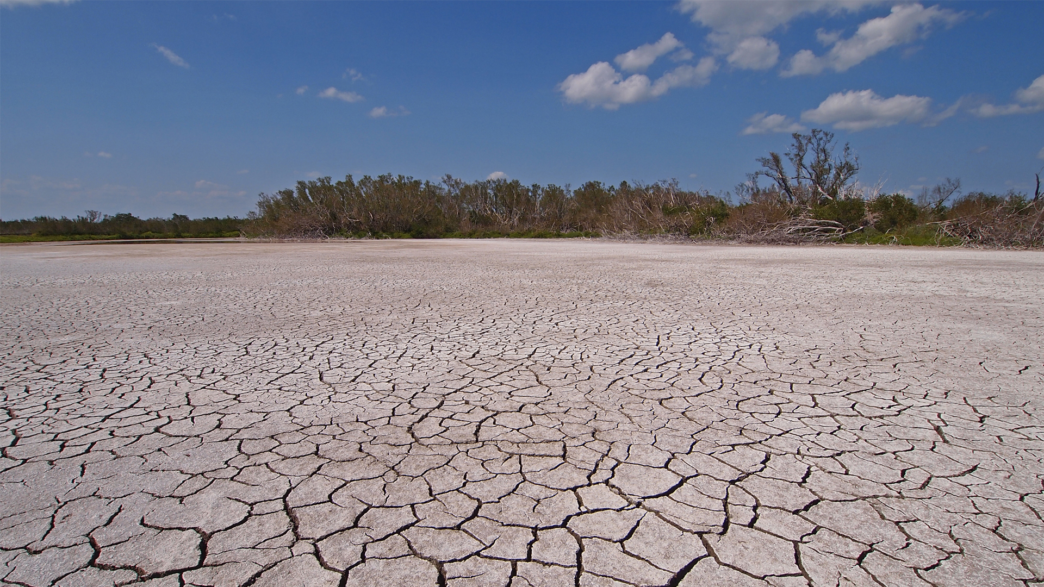
South Florida is currently grappling with one of its most severe dry spells in recent history. Since November, the region has recorded less than four inches of total rainfall, an alarming deficit that has caused soil moisture levels to plummet and placed the Everglades ecosystem under immense stress. Consequently, the South Florida Water Management District (SFWMD) has issued formal water shortage warnings for several counties, including Miami-Dade and Monroe, urging residents to implement immediate conservation measures as water consumption begins to outpace supply.
The severity of the situation is underscored by the Keetch-Byram Drought Index (KBDI), which currently places much of the region in the “extreme drought” category. This phenomenon not only depletes surface water but has also led to a dangerous decline in the Biscayne Aquifer, the primary source of drinking water for millions of Floridians. Authorities are closely monitoring weather patterns, as the combination of high temperatures and parched peat soils significantly increases the risk of deep-seated wildfires within the protected wetlands.
Compounding this environmental strain is the unprecedented logistical pressure at Miami International Airport (MIA). While the region struggles with a lack of rainfall, the airport is operating at peak capacity to handle a massive influx of floral imports. This creates a stark contrast: while local soil suffers from a moisture deficit, MIA’s cargo terminals are managing millions of fresh stems that require strict climate and humidity control. This highlights Miami’s critical economic role as a global agricultural hub, even as it faces local environmental emergencies.
Furthermore, this state of emergency has necessitated a heightened deployment of security resources. Amid the rush to manage high-volume trade, U.S. Customs and Border Protection (CBP) has intensified its inspection protocols. The objective is twofold: to ensure that invasive agricultural pests do not exploit the vulnerable, dry ecosystem to establish a foothold, and to prevent smuggling operations from using the surge in floral shipments to conceal narcotics. These efforts are vital to maintaining the integrity of the nation’s busiest gateway for perishables during a period of heightened regional vulnerability.