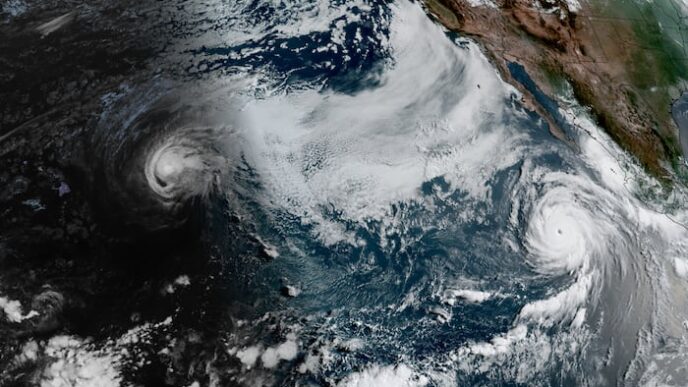
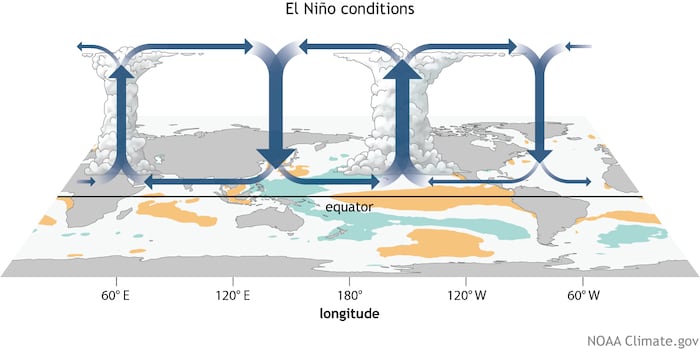
As Miami residents settle into the heart of summer, a powerful climate phenomenon is quietly reshaping what we can expect from the 2026 Atlantic hurricane season. El Niño, characterized by unusually warm waters in the eastern Pacific Ocean near the equator, is emerging as one of the strongest on record, and its effects are already being felt across our beloved Magic City and the broader Caribbean region.
For Miami’s vibrant Latin community, understanding how El Niño transforms hurricane patterns is more than just meteorological curiosity—it’s essential knowledge for protecting families, businesses, and the lifestyle we cherish in South Florida. The good news? This year’s El Niño conditions are creating a notably different scenario than what we typically experience during peak hurricane months.
How El Niño Changes Hurricane Activity Near Miami
When scientists analyze data from the strongest El Niño years since modern satellite tracking began in 1966, they discover a remarkable pattern. There is a significant reduction in tropical storm activity—measured by Accumulated Cyclone Energy or ACE—across the Gulf of Mexico, the Caribbean Sea, and around South Florida compared to typical 30-year averages. This reduction is not just noticeable; it is statistically significant and aligns with research showing considerably less hurricane damage to the mainland United States during El Niño years.
The science behind this phenomenon involves wind shear, which El Niño increases across the Caribbean during peak hurricane months. This wind shear essentially disrupts the formation and strengthening of tropical systems, acting as a natural defense mechanism for coastal communities. The current El Niño is developing at a rapid pace and is already influencing wind shear patterns earlier than usual, which bodes well for Miami residents concerned about major storm threats.
“The strike risk is reduced to the U.S. this season and we should expect overall fewer storms closer to home than what we might expect in a non-El-Niño season.”
Understanding the Shifted Storm Patterns
While El Niño reduces hurricane activity near Florida, it doesn’t eliminate it entirely. Instead, it shifts where storms tend to travel. Research indicates that during El Niño years, tropical systems more frequently recurve over the open Atlantic, steering away from the U.S. coastline and toward the waters around Bermuda and the subtropics. This pattern essentially redirects many potential threats away from Miami and the Florida peninsula.
Conversely, during La Niña years—the opposite climate pattern—the situation flips dramatically. These years typically see statistically significant increases in tropical activity across the entire belt from Africa through the Caribbean, an area meteorologists call the Main Development Region, and throughout the Gulf of Mexico. La Niña seasons consistently rank among the busiest and most destructive for hurricane activity.
What the 2026 Season Looks Like So Far
Despite the formation of Tropical Storm Arthur in June and Tropical Storm Bertha in late July, overall Atlantic tropical activity continues to run well below average. Both systems were weak and short-lived, causing minimal impact. Forecast models suggest muted activity through at least the first week of August, which would make 2026 the slowest start to a hurricane season since 2009.
For Miami families planning summer activities, beach outings, and outdoor events, this represents encouraging news. The Atlantic basin appears to be in rough shape for storm development heading into what would normally be the peak weeks of hurricane season, typically late August through October.
Essential Preparation Tips for Miami Residents
While El Niño conditions reduce overall risk, meteorologists emphasize that hurricanes can still form and threaten South Florida during any season. The mantra “it only takes one” remains critically important for our community. Here are key preparation steps every Miami household should complete:
- Review and update your family emergency plan, including evacuation routes
- Stock hurricane supplies including water, non-perishable food, and medications
- Ensure important documents are protected and easily accessible
- Check that your home insurance coverage is adequate and current
- Download reliable weather apps for real-time tropical updates
- Identify pet-friendly shelters if you have animals
- Charge backup batteries and portable power stations
The reduced El Niño hurricane risk should not lead to complacency. Instead, use this calmer season as an opportunity to thoroughly prepare without the pressure of an imminent threat. Miami’s Latin community has weathered many storms together, and proper preparation ensures we continue protecting what matters most—our families, our traditions, and our beautiful coastal home.
As the 2026 hurricane season progresses, staying informed about El Niño developments and any changes in tropical forecasts will help Miami residents make smart decisions about travel, outdoor events, and emergency readiness throughout the summer and fall months.