


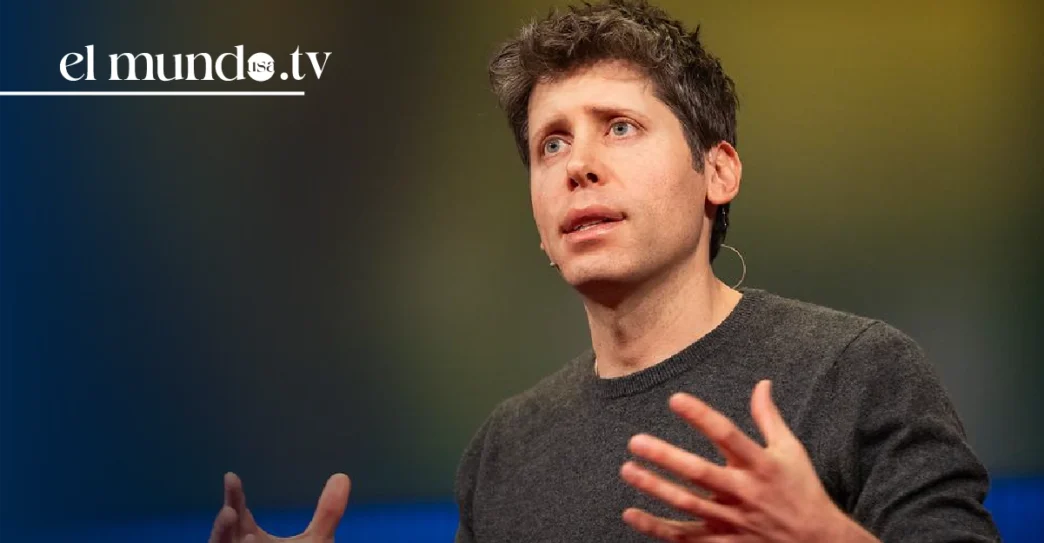
OpenAI CEO Sam Altman has been quietly exploring the possibility of building, investing in, or acquiring a rocket company, an action considered by experts like a direct challenge to Elon Musk. This unconventional move signals his growing interest in advancing space-based infrastructure for artificial intelligence, according to new reporting from The Wall Street Journal.
Altman has reportedly held discussions with several launch providers over the past year, including Washington-based Stoke Space, a startup founded by former Blue Origin engineers. Sources familiar with the conversations told the Journal that the talks intensified over the summer and into the fall, with proposals that included multibillion-dollar equity investments from OpenAI. Such a financial structure could have eventually given OpenAI a controlling stake in the company.
Stoke Space is currently developing Nova, a fully reusable rocket aimed at competing with systems like SpaceX’s Starship. A partnership or acquisition would have provided Altman—and, by extension, OpenAI—a direct foothold in the commercial space launch sector. However, discussions have since cooled, according to individuals close to the negotiations.
Altman’s interest in rockets goes beyond entering a new industry. The report suggests he views space as a crucial part of the long-term infrastructure needed to power future generations of AI systems. With energy demands for advanced models rapidly increasing, Altman has become a vocal proponent of placing data centers in orbit to take advantage of abundant solar energy and to minimize environmental impacts on Earth.
The revelations come at a moment when OpenAI is under heightened scrutiny for its aggressive expansion strategy. The company founded by Sam Altman has committed to billions of dollars in new projects without providing clear details about how it intends to finance massive infrastructure growth.
Internally, tensions have also risen: earlier this week, Altman reportedly declared a company-wide “code red” after indications that ChatGPT was losing ground to Google’s Gemini, prompting teams to temporarily shift focus toward strengthening OpenAI’s flagship product.
Sam Altman’s foray into aerospace also underscores the ongoing rivalry between him and Elon Musk. The two co-founded OpenAI in 2015, but their relationship soured over disagreements about the company’s direction.
Musk later departed and has since launched his own AI firm, xAI, in addition to expanding SpaceX’s dominance in orbital launches. More recently, Altman has backed ventures that directly overlap with Musk’s ambitions, including a brain-computer interface startup.