


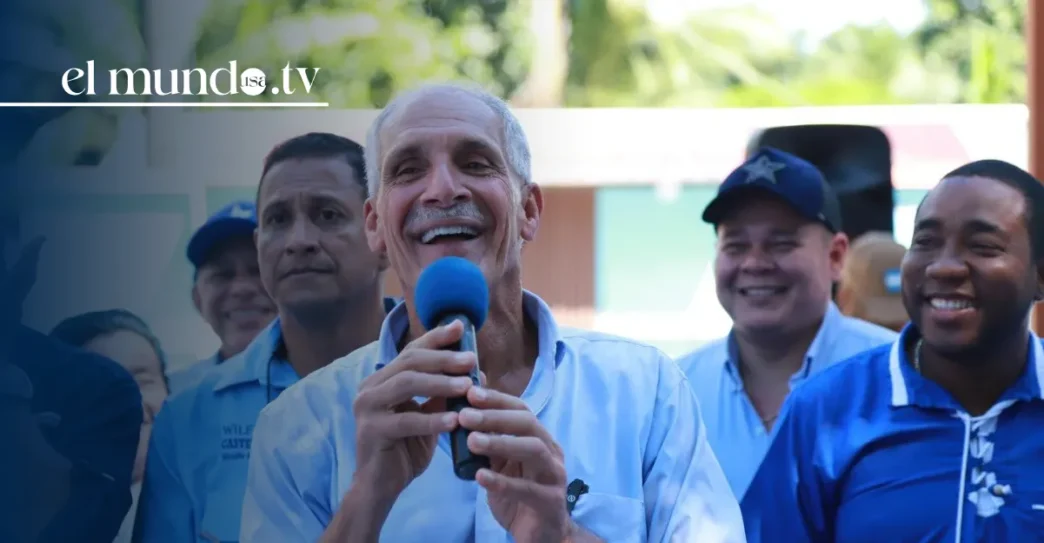
Honduras entered Monday amid deep uncertainty following a turbulent election night marked by shifting trends, allegations of irregularities, and the rise of Nasry ‘Tito’ Asfura, widely viewed as U.S. president Donald Trump’s preferred candidate. Early projections on Sunday suggested a clear advantage for the left, but as the hours passed, the momentum moved sharply toward the right-leaning National Party contender.
By Monday morning, with roughly 41 percent of ballots counted by the National Electoral Council (CNE), Asfura had pulled ahead by two to three percentage points. The partial results appear after a chaotic night in which armed groups were reportedly seen near several polling sites, hindering the work of international observers during the tally.
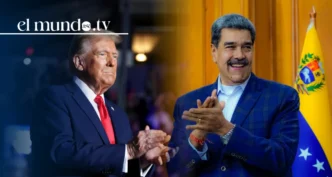
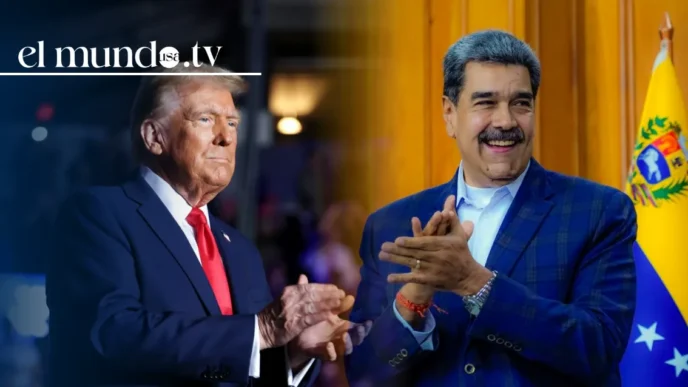
The shift comes just days after Trump openly endorsed Asfura, arguing that the other leading candidates, Salvador Nasralla and Rixi Moncada, were aligned with Venezuelan president Nicolás Maduro. Trump asserted that cooperation with Honduras would be “impossible” if either Moncada or Nasralla won, positioning Asfura as the only candidate capable of maintaining close ties with Washington.
According to the CNE’s latest update, Asfura holds 530,073 votes (40.61 percent), while Nasralla follows with 506,316 (38.79 percent), a narrow difference of 23,757 votes. Nasralla dismissed the gap as “minimal,” insisting that the race remains open as counting continues.
A victory for Asfura would mark the National Party’s return to power after previous administrations were marred by corruption and drug-trafficking scandals. Regionally, his win would also represent another setback for the Latin American left following recent political shifts in countries like Argentina and El Salvador.
Trump, doubling down on his endorsement, vowed strong bilateral cooperation if Asfura prevails. “If Nasry Asfura wins the elections in Honduras, we will work together to fight against the narco-communists,” he said, promising “a lot of support” for the Central American nation.