

Bulgarian Prime Minister Rosen Zhelyazkov announced the resignation of his government this Thursday after weeks of massive protests. The Bulgarian public had repeatedly demonstrated against corruption, economic policies, and the government’s lack of response to public outrage.
The decision was announced minutes before Parliament was scheduled to vote on a motion of no confidence, within a political context marked by instability and widespread social discontent.
Zhelyazkov, whose government had been in power for less than a year, acknowledged that the decision was a direct result of public pressure:
“We have heard the voice of the citizens.”
READ MORE: Machado’s daughter accepts Nobel Peace Prize
Massive Protests and Social Discontent
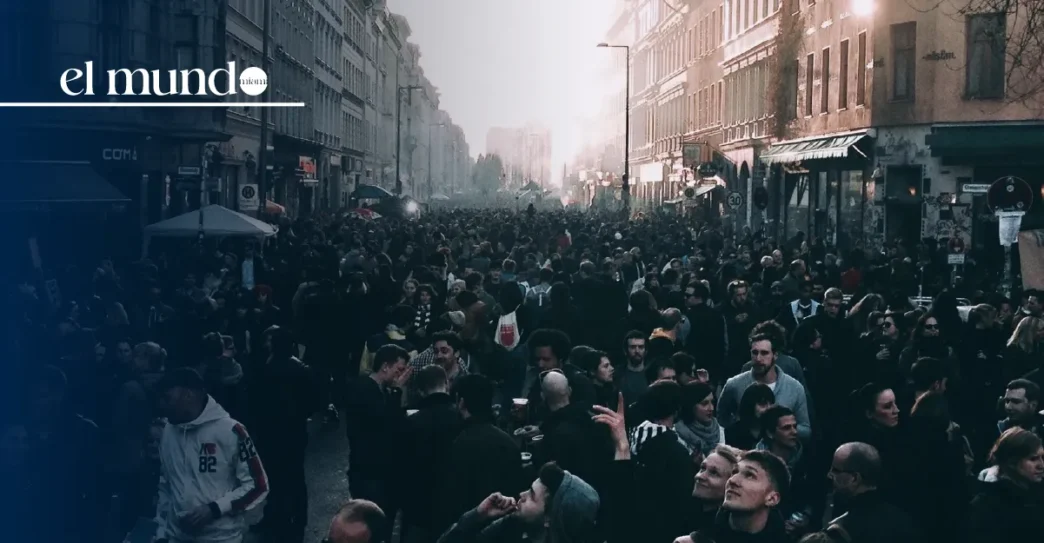
The massive protests brought together tens of thousands of people. Erupted across the country in recent weeks and intensified the night before the resignation, especially in front of the Parliament in the capital, Sofia.
Protesters accused the government of endemic corruption, of attempting to pass a controversial 2026 budget. That plan included tax and social security contribution increases, and of failing to address demands for transparency and justice.
Beyond budgetary policies, the mobilization reflects a profound social malaise over years of perceived corruption and democratic dysfunction in Bulgaria. It is one of the lowest-ranked countries in the European Union according to several corruption perception indexes.
READ MORE: US seizes tanker near Venezuela, Trump says
Political Crisis on the Eve of Eurozone Entry
Zhelyazkov’s resignation comes just weeks before Bulgaria is set to officially become a member of the Eurozone on January 1, 2026. This adds a layer of complexity to the country’s economic and political transition to the single currency.
Despite the resignation, state authorities have assured that the euro adoption plan remains on track. The Bulgarian Parliament formally approved the resignation with a majority vote, although the cabinet will continue to serve as an interim government until a new one is formed.
If the main political forces fail to reach an agreement to appoint a new administration, early elections could be called—potentially the eighth in five years—highlighting the country’s persistent political instability.
A Conflict That Transcends Economic Policy
The discontent that led to this crisis is not new. For years, citizens have protested against corruption cases and the perception of little transparency in public institutions.
Part of the frustration is focused on the long-ruling party, whose leadership has been repeatedly implicated in corruption problems. The situation has eroded public trust and sparked popular mobilizations at various times over the past decade.
With Zhelyazkov’s resignation, Bulgaria now faces the challenge of restoring citizen trust, building political consensus, and ensuring that euro adoption is not affected by internal turmoil, all while society demands profound changes in the way politics is conducted in the country.