For Miami families feeling the pinch at the gas pump and grocery store, there may be a glimmer of hope on the horizon. On July 27, 2026, Wall Street experienced a mixed trading session, but the real headline came from the energy sector: crude oil prices tumbled by more than 6% as diplomatic efforts between the United States and Iran showed signs of progress. This development could signal meaningful relief for households across South Florida who have been grappling with elevated fuel and shipping costs for months.
Understanding the Oil Price Drop and Its Ripple Effects
The price of Brent crude, the international benchmark, fell 6.3% to settle at $85.87 per barrel for October delivery. Just one week prior, prices had surged past the $100 mark amid escalating tensions. Meanwhile, U.S. crude oil for September delivery dropped even more sharply, declining 7.5% to close at $82.61 per barrel. This dramatic reversal came as both nations paused military actions and resumed negotiations aimed at ending the conflict.
The ongoing war between the U.S. and Iran had severely disrupted traffic through the Strait of Hormuz, one of the world’s most critical shipping lanes for oil tankers. This disruption sent shockwaves through the global economy, driving up gasoline prices and increasing shipping costs for everyday goods. For Miami residents, this has meant higher prices at the pump and more expensive groceries, dining, and retail purchases.
“This is a week with more than its fair share of potential surprises, good and bad,” said Chris Larkin, managing director of trading and investing at E-Trade from Morgan Stanley, highlighting the uncertainty still present in financial markets.
How Wall Street Responded to the News
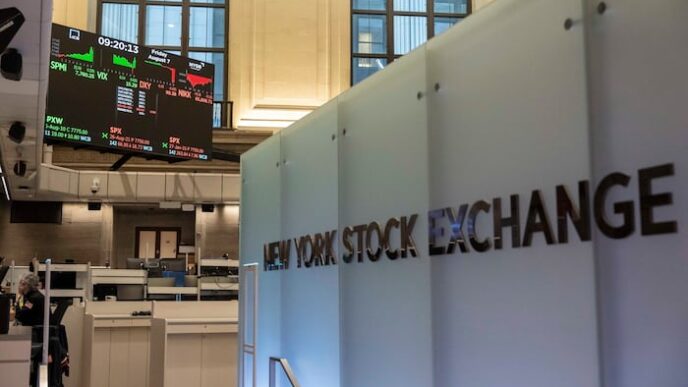
The major stock indexes showed mixed results on July 27. The S&P 500 edged up less than 0.1% to close at 7,413.18, while the Dow Jones Industrial Average rose 0.5%, gaining 262.83 points to reach 52,210.08. However, the Nasdaq composite fell 0.2%, marking its fourth consecutive loss and settling at 24,932.08. All three indexes remain on track to close the month in negative territory.
Technology stocks drove much of the market’s volatility throughout the session. Some of the world’s most valuable companies saw diverging fortunes:
- Nvidia fell 5%, continuing a challenging stretch for chip stocks
- Micron Technology declined 2.3%
- Microsoft gained 1.9%, providing some stability
- Apple rose 1.2%, also contributing positive momentum
Communications and financial services companies emerged as bright spots. Google parent Alphabet climbed 2.1%, Charter Communications jumped an impressive 6.7%, and Comcast added 2.3%. Credit card companies also performed well, with American Express rising 2.8%, Capital One Financial gaining 2.1%, and both Visa and Mastercard posting solid increases.
What Miami Families Should Watch This Week
The coming days promise significant economic updates that could affect everything from mortgage rates to consumer prices. The Federal Reserve is scheduled to announce its interest rate decision on July 29, with Wall Street anticipating roughly a 36% chance of a rate hike. Higher interest rates typically help control inflation but can make borrowing more expensive for home buyers and businesses alike.
Additional reports to monitor include consumer confidence data on July 28 and inflation figures on July 31. These numbers will provide crucial insights into whether the economic pressures facing Miami households might begin to ease. The central bank has held rates steady throughout 2026 while monitoring inflation trends, but market watchers expect at least one rate increase before year’s end.
A Path Toward Economic Relief
For Miami’s vibrant Latin community, falling oil prices represent more than just financial news. Lower fuel costs could translate into more affordable weekend trips to the Keys, reduced prices at favorite restaurants, and easier household budgets overall. The city’s service-oriented economy, from hospitality to transportation, stands to benefit significantly if energy prices continue their downward trajectory.
While uncertainty remains regarding diplomatic developments and their sustainability, the July 27 market movements offer cautious optimism. Miami residents navigating the current economic landscape should stay informed about these global developments, as they directly impact daily life in our beautiful city. From filling up the car to planning the next family gathering, every positive shift in energy markets brings potential relief closer to home.