American drivers are once again feeling the pain at the pump as gasoline prices have surged back to an average of $4 per gallon nationwide. The spike, recorded on July 20, 2026, comes as military confrontations between the United States and Iran have intensified, sending shockwaves through global energy markets and raising concerns about economic stability heading into the midterm elections.
Rising Tensions Drive Fuel Costs Higher
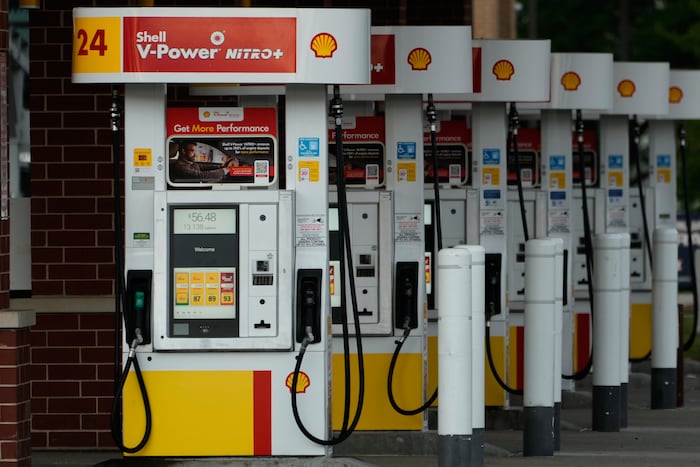
According to data released by the motor club federation AAA, the national average for a gallon of regular gasoline has officially returned to the $4 mark. This represents a dramatic increase compared to the same period last year, when drivers were paying an average of $3.14 per gallon. The nearly 90-cent jump in just twelve months reflects the profound impact that geopolitical instability continues to have on everyday Americans.
The situation varies significantly across the country, with motorists in certain states already paying well above the national average for several weeks now. Meanwhile, drivers in other regions have enjoyed somewhat lower prices. This discrepancy is attributed to several factors that influence regional pricing:
- Proximity to refineries and fuel distribution centers
- State and local tax rates on gasoline
- Transportation costs to deliver fuel to remote areas
- Regional demand fluctuations
- Access to domestic versus imported crude oil supplies
The ripple effects of elevated gas prices extend far beyond the fuel pump, affecting transportation costs for goods and services throughout the economy. Grocery prices, delivery fees, and shipping costs are all vulnerable to increases when fuel becomes more expensive.
A Brief Relief Period Comes to an End
Gas prices first crossed the $4 threshold at the end of March 2026, marking a concerning milestone for American consumers. However, there was a period of relief when prices dipped below that level in mid-June, following positive diplomatic developments between Washington and Tehran. The two nations had reached an interim agreement that temporarily eased crude oil prices and offered hope for a more stable energy market.
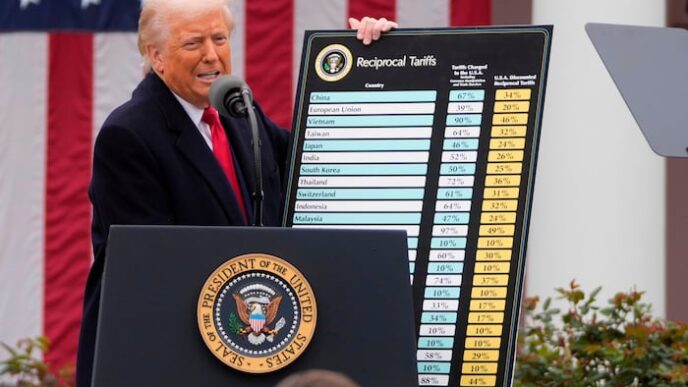
President Donald Trump expressed frustration that gas prices weren’t falling as quickly as oil prices during the brief period of diplomatic progress between the United States and Iran.
That optimism has since evaporated as both nations have moved closer to resuming full-scale military operations. The breakdown in diplomatic efforts has sent crude oil prices climbing once again, with immediate consequences for consumers at gas stations across America.
Global Markets React to Escalating Conflict
The impact of the US-Iran conflict extends well beyond American borders, with people around the world grappling with elevated fuel costs. Energy markets remain highly sensitive to any developments in the Middle East, given the region’s critical role in global oil production and distribution.
By the morning of July 20, 2026, Brent crude, which serves as the international benchmark for oil pricing, had experienced a slight decline of $1.64, settling at $86.46 per barrel. Despite this modest drop, prices remain substantially elevated compared to pre-war levels, when crude oil was trading near $70 per barrel. Similarly, benchmark US crude fell by $1.87 to reach $79.91 per barrel.
These price levels represent a significant premium that reflects the uncertainty and risk associated with ongoing military operations. Energy analysts warn that any further escalation could push prices even higher, potentially breaking previous records and placing additional strain on household budgets.
Political and Economic Implications
The timing of this price surge is particularly significant given the approaching midterm elections in the United States. Affordability has emerged as a dominant concern for voters, with many Americans feeling squeezed by rising costs across multiple categories. Higher fuel prices contribute to broader inflationary pressures that affect:
- Food and grocery costs due to increased transportation expenses
- Airline ticket prices as carriers pass along fuel surcharges
- Shipping and delivery fees for online purchases
- Public transportation fares in many metropolitan areas
- General consumer goods requiring long-distance shipping
For Miami residents and the broader South Florida community, where many families rely heavily on personal vehicles for daily transportation, the return to $4 gas represents a meaningful increase in monthly expenses. The region’s tourism-dependent economy may also feel the effects if visitors begin cutting back on travel due to elevated fuel costs.
As the situation between the United States and Iran continues to evolve, energy experts recommend that consumers monitor prices closely and consider strategies to reduce fuel consumption where possible. The coming weeks will be critical in determining whether diplomatic solutions can be reached or whether further military action will drive prices to new heights.