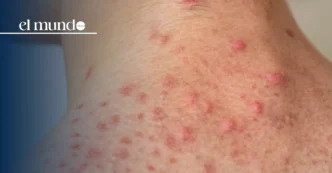
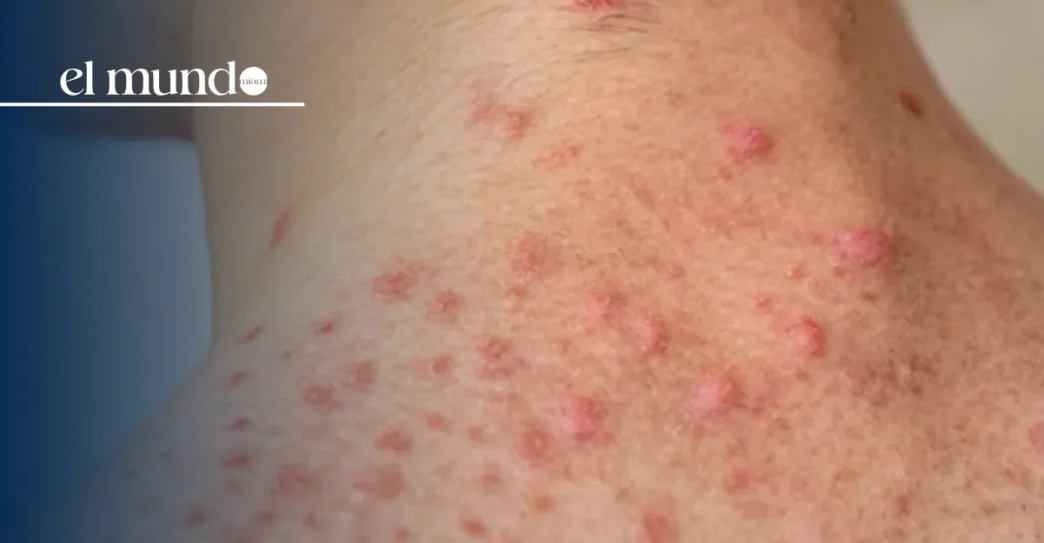
Currently, hundreds of people are under quarantine for increase of measles cases in at least three counties across the United States. The resurgence of this disease in the country has caused alarm among health authorities and local communities.
South Carolina, Arizona, and Utah are the primary states with active outbreaks. The spread of the disease has forced the imposition of quarantines, which have impacted the operation of schools and community spaces.
Outbreak Expansion of Measeles Cases
According to public health reports, the outbreak in South Carolina is concentrated in Spartanburg County. More than 111 measles cases have been confirmed, and at least 250 people are under quarantine.
In the southwestern part of the country, the situation is also critical, particularly in Arizona and Utah, where health departments report dozens of cases.
In Mohave County, Arizona, more than 170 cases have been recorded, while in Utah, more than 80 have been confirmed this year. The communities of Colorado City (Arizona) and Hildale (Utah) are among the hardest hit by the spread of the virus.
Vulnerable Populations
Many of the confirmed cases include students from multiple schools following exposures at community locations such as churches. Most of the recent infections have occurred among people who were not vaccinated or whose vaccination status was unknown.
National Measles Cases Context in the U.S.
Measles outbreaks in the United States are part of a concerning pattern in 2025, with reports showing over 1,900 confirmed cases nationwide. These figures are the highest in over three decades.
Authorities at the Centers for Disease Control and Prevention (CDC) have documented multiple active outbreaks across dozens of states. This substantial increase threatens the country’s status of having “eliminated” endemic transmission of the virus.
Experts point out that the decline in vaccination rates, combined with the high transmissibility of measles, has been a determining factor in the reappearance of these outbreaks.
The MMR (measles, mumps, and rubella) vaccine is the most effective tool for preventing the disease. It provides 97% protection after receiving the recommended two doses. However, vaccine hesitancy remains a challenge for public health.
Impact on Communities and Education
In addition to quarantines, the increase in cases has led to a significant rise in school absenteeism. Health authorities are ordering unvaccinated students or those with potential exposure to stay home for up to three weeks.
The measles outbreak has not only affected the academic life of families but also daily routines in several communities.
Federal and state authorities continue to reinforce vaccination campaigns, implement isolation measures, and launch informational campaigns to reduce the spread of measles and protect the most vulnerable populations.