Middle East tensions reached a critical point on August 8, 2026, as Iran issued dramatic new demands regarding the reopening of the Strait of Hormuz, one of the world’s most vital waterways for global oil and natural gas supplies. For Miami’s Latin community with ties to international business and global affairs, these developments carry significant implications for energy prices and economic stability.
The escalating situation involves multiple countries and complex diplomatic negotiations that could reshape the region’s political landscape. From Yemen’s military operations against Houthi rebels to Turkey’s historic Kurdish peace bill, the Middle East continues to command global attention during this turbulent period.
Iran Demands US ‘Behavior Correction’ Before Opening Strait
Iran’s powerful Supreme National Security Council delivered a stark message on August 8, 2026, declaring that the Strait of Hormuz will remain closed until the United States corrects its behavior. The statement, published by Iran’s state broadcaster, came from council secretary Mohammad Bagher Zolghadr, who also serves as a commander in the Revolutionary Guard.
The demands represent a significant escalation in the ongoing diplomatic standoff between Tehran and Washington. Iran insists the United States must never threaten Iran again and must permanently end military operations against Iran and its regional allies.
Additional conditions include lifting the naval blockade of Iranian ports, withdrawing American military forces from the area, and providing complete compensation for war damages. Iran also demands the lifting of sanctions and unconditional release of frozen assets.
Sixty-Day Negotiation Deadline Approaches
The clock is ticking on diplomatic efforts as a 60-day period to negotiate a final deal will expire in just over a week. According to the interim agreement signed in June 2026, discussions about ending sanctions and creating a compensation plan would be part of the final negotiations.
The United States has maintained its position that an acceptable deal on the strait must come before ending the blockade. There was no immediate comment from American officials regarding Iran’s latest demands.
Iranian Foreign Minister Abbas Araghchi indicated on August 8 that Iran was close to reaching a separate agreement with Oman to manage the strait. He mentioned they were near agreement on navigation matters, specifically determining a transit route through the waterway.
Oman’s Mediation Efforts Continue
Oman, serving as a mediator among Gulf Arab nations, released a statement describing ongoing discussions as proceeding in a positive and constructive atmosphere. The sultanate also condemned attacks on ships transiting the strait.
The Strait of Hormuz runs between Iran and Oman, making Oman’s involvement crucial to any resolution. Before the current conflict, the waterway was considered an international passage essential for global commerce.
Ship transits through the strait remain significantly reduced compared to pre-conflict levels, affecting global energy markets and supply chains that ultimately impact consumers worldwide, including those in South Florida.
UAE Reports Iranian Missile Attack on Commercial Vessel
The United Arab Emirates announced on August 8, 2026, that a vessel owned by Abu Dhabi’s state-owned ADNOC oil and gas company was attacked while transiting the Strait of Hormuz. The UAE Foreign Ministry attributed the attack to an Iranian missile strike targeting commercial shipping.
ADNOC confirmed there were no casualties following the early morning attack. However, the company revealed a troubling pattern of violence, stating that over a dozen of its vessels have been attacked by missiles and drones since the conflict began in February.
The cumulative toll from these attacks includes one crew member killed and 20 others wounded. ADNOC did not provide details about the specific location of the August 8 attack or the extent of damage to the vessel.
Read more: How Global Oil Prices Affect Miami Gas Stations
UK Maritime Center Confirms Separate Vessel Incident
The United Kingdom Maritime Trade Operations Center reported another incident involving a vessel east of the town of Khasab, Oman. According to the report, a projectile struck the ship and caused a fire that was subsequently extinguished.
The center confirmed that both the vessel and crew were safe following the incident. It remained unclear whether this report referred to the same ADNOC incident or represented an additional attack on commercial shipping in the region.
These ongoing attacks highlight the dangerous conditions facing commercial vessels attempting to transit one of the world’s most important maritime chokepoints for energy supplies.
Yemen Military Launches Offensive Against Houthi Rebels
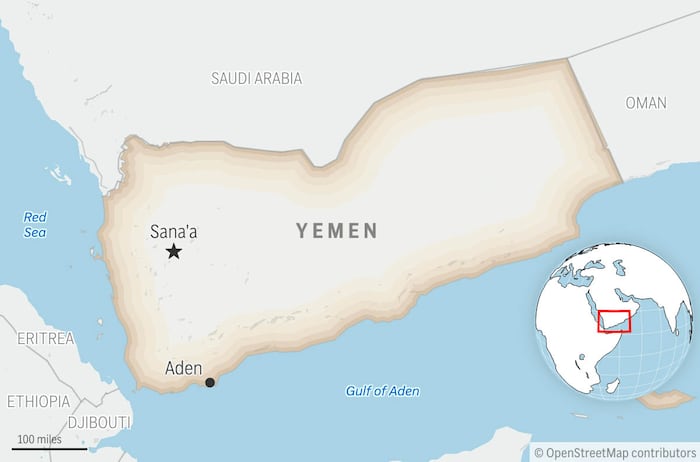
In a significant military development, Yemen’s armed forces launched attacks against the country’s Iranian-backed Houthi rebels on August 8, 2026. This offensive represents another chapter in the long-running conflict that has devastated the Arabian Peninsula nation.
The Houthi movement has maintained control over substantial portions of Yemen, including the capital Sanaa, throughout years of civil war. Their alignment with Iran has made the Yemeni conflict a proxy battlefield in the broader regional power struggle.
For international observers and the global community, including Miami residents with connections to the Middle East, these military operations add another layer of complexity to an already volatile situation.
Turkey’s Kurdish Peace Bill Wins Parliamentary Approval
In a potentially historic development, Turkey’s parliament approved a Kurdish peace bill on August 8, 2026. This legislative action could mark a significant turning point in decades of conflict between the Turkish government and Kurdish separatist movements.
The approval represents years of diplomatic efforts and negotiations aimed at resolving one of the region’s most persistent internal conflicts. The Kurdish question has shaped Turkish politics and regional dynamics for generations.
This parliamentary victory could pave the way for lasting peace and improved relations between Turkish authorities and Kurdish communities both within Turkey and in neighboring regions.
Turkey, Saudi Arabia, and Pakistan Sign Defense Agreement
Saudi Arabia, Pakistan, and Turkey formalized a significant defense agreement on August 7, 2026, creating a mutual defense pact among the three nations. The agreement stipulates that an attack on one signatory would be considered an attack on all three.
Turkish Foreign Minister Hakan Fidan addressed questions about the agreement’s implications during an interview with Turkey’s state-run Anadolu Agency. He emphasized that the pact is not aimed against any third country.
Fidan clarified that the three nations do not view any state as an adversary unless it takes hostile action against them. This diplomatic framing suggests the agreement focuses on collective security rather than targeting specific regional rivals.
Global Energy Implications for Miami Consumers
The ongoing tensions in the Strait of Hormuz directly affect global energy markets and prices that impact consumers in Miami and throughout South Florida. The waterway is crucial for transporting oil and natural gas supplies to markets worldwide.
Reduced ship transits through the strait have contributed to market volatility and price fluctuations. Miami’s Latin community, many of whom maintain international business connections, should monitor these developments closely.
Energy analysts suggest that prolonged closure or restricted access to the strait could trigger significant price increases at gas pumps and for utilities dependent on natural gas supplies.
What Miami Residents Should Know
Understanding these Middle East developments matters for Miami’s diverse population, particularly those with family, business, or cultural ties to affected regions. The geopolitical shifts occurring in August 2026 could reshape international relations for years to come.
Miami serves as a major hub for international commerce and has deep connections to global markets. Disruptions in Middle Eastern stability inevitably ripple through financial systems and affect local economic conditions.
Staying informed about these complex situations helps community members make better decisions about investments, travel plans, and understanding the broader context of world events.
Why does the Strait of Hormuz matter for global oil prices?
The Strait of Hormuz is one of the world’s most important maritime chokepoints for oil and natural gas supplies. Restricted access to this waterway directly impacts global energy markets and can lead to higher fuel prices for consumers worldwide, including in Miami.
What are Iran’s main demands for reopening the strait?
Iran demands that the United States end all military threats, lift the naval blockade of Iranian ports, withdraw military forces from the region, provide compensation for war damages, lift sanctions, and release frozen assets unconditionally.
How does the Turkey-Saudi Arabia-Pakistan defense agreement affect regional politics?
The trilateral defense pact creates a mutual defense commitment where an attack on one nation is considered an attack on all three. Turkish officials emphasize the agreement is not aimed at any third country and focuses on collective security.