
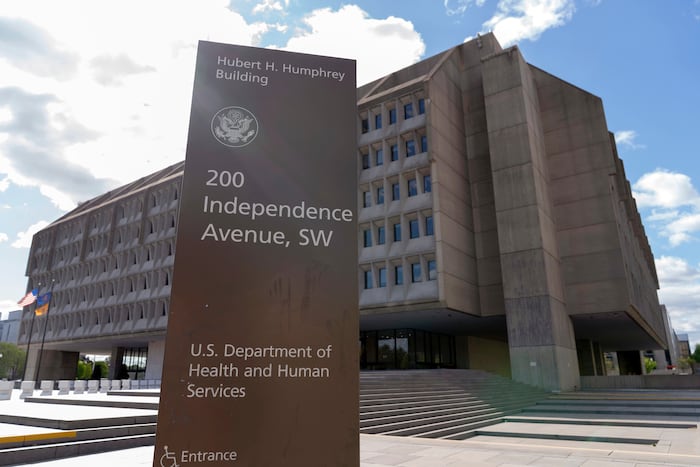
Families across Miami and the nation have reason to celebrate as a comprehensive federal report reveals significant improvements in youth mental health and declining rates of substance use among adolescents and young adults. The latest findings from the National Survey on Drug Use and Health, released on July 27, 2026, paint an encouraging picture of progress that resonates deeply with parents and communities invested in the wellbeing of the next generation.
Promising Trends in Teen Wellness and Substance Use
The data, spanning from 2021 to 2025, demonstrates remarkable shifts in how young Americans are approaching their health and lifestyle choices. Adolescents between the ages of 12 and 17 showed decreased usage across multiple categories that have long concerned parents, educators, and health professionals. This positive momentum in youth mental health represents a turning point that many community leaders have been working toward for years.
The Substance Abuse and Mental Health Services Administration report highlighted several key improvements among teenagers:
- Lower rates of tobacco, alcohol, and marijuana use in the previous month
- Reduced binge drinking behaviors among adolescents
- Fewer teens starting to drink alcohol, vape, or use marijuana
- Declining rates of substance use disorders and drug dependencies
- Decreased reports of major depressive episodes
- Fewer serious thoughts of suicide, suicide planning, and suicide attempts
Young adults aged 18 to 25 mirrored these favorable trends, suggesting that positive health behaviors are extending into early adulthood. For Miami families with college-aged children or young professionals, this news offers reassurance that the cultural conversation around wellness is making a meaningful impact on youth mental health outcomes.
Understanding the Current Landscape
While the improvements are significant, health experts emphasize that challenges remain. The survey found that nearly 20% of adolescents experienced moderate or severe anxiety symptoms in the two weeks prior to being surveyed, compared to approximately 7% of adults over 18. This disparity highlights the unique pressures facing today’s youth, from academic stress to social media influences and the lingering effects of recent global challenges.
“There’s still a lot of work to be done. Nearly 45 million people still have substance use disorder and still not nearly enough people are getting treatment. It’s still well over 80% of people who needed it did not get substance use treatment in the past year, let alone quality treatment.” — Robyn Oster, Policy Director, Partnership to End Addiction
The overall survey revealed that more than half of people over age 12 used an illicit drug, drank alcohol, used tobacco, or vaped nicotine in the previous month. The breakdown shows 44% consumed alcohol, 16% used a tobacco product, 10% vaped nicotine, and 16% used an illicit drug. These numbers remind us that while youth mental health is trending positively, broader societal patterns still require attention and resources.
What This Means for Miami Families
For the vibrant Latin community in Miami, these findings carry special significance. Strong family bonds and cultural values have long emphasized protecting younger generations and fostering environments where children can thrive. The improvements in youth mental health statistics validate the efforts of parents, schools, and community organizations working together to create supportive networks for adolescents.
Miami offers numerous resources for families seeking to maintain and build upon these positive trends. From community centers offering youth programs to mental health clinics providing culturally sensitive care, the city continues to expand its support systems. Parents looking to engage with their teenagers about wellness topics can find workshops, support groups, and educational events throughout Miami-Dade County that address youth mental health in accessible, family-friendly formats.
Moving Forward with Hope and Action
The path ahead requires continued commitment from all sectors of society. Healthcare providers, educators, parents, and policymakers must work collaboratively to ensure that the positive momentum in youth mental health continues. Access to quality treatment remains a critical concern, with the majority of those needing substance use treatment still unable to receive it.
For Miami families, staying informed and connected represents the first step toward protecting the wellbeing of young people. Community involvement, open communication with teenagers, and awareness of available resources create a foundation for continued progress. As these encouraging statistics demonstrate, collective efforts to prioritize youth mental health are yielding real results that benefit families, neighborhoods, and the broader community. The journey toward comprehensive wellness for all young Americans continues, with hope and determination lighting the way forward.