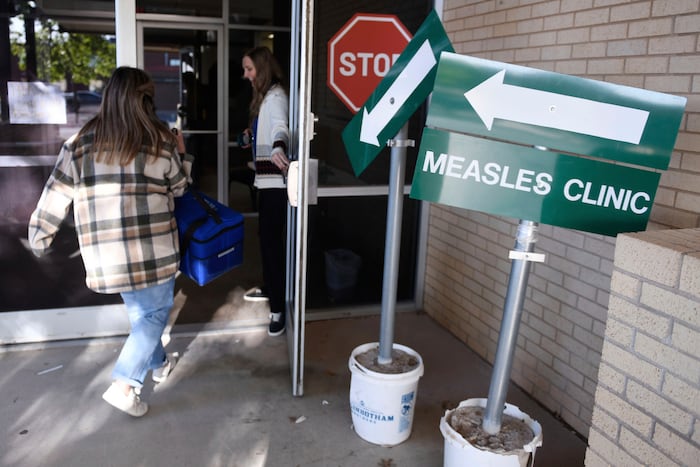
As Miami families enjoy summer activities and plan travel adventures, a significant public health development demands attention. On July 24, 2026, federal health officials confirmed that measles cases across the United States have already surpassed last year’s record-breaking total, with five months still remaining in the year. This alarming trend has health experts urging communities, especially those in diverse metropolitan areas like Miami, to prioritize vaccination and stay informed about prevention strategies.
Understanding the Current Measles Outbreak Situation
The U.S. Centers for Disease Control and Prevention reported 2,318 measles cases as of July 24, 2026, officially exceeding the 2,289 cases recorded throughout all of 2025. This makes 2026 the worst year for measles in the United States since 1991, a troubling milestone that has public health officials deeply concerned about the trajectory of this highly contagious disease.
Major outbreaks in South Carolina, Utah, and Arizona have contributed hundreds of cases each, while smaller clusters have emerged in various states across the nation. The Utah outbreak alone has sickened more than 700 people over the past year, according to state health department data. Meanwhile, South Carolina experienced the nation’s largest outbreak in 35 years, with 997 confirmed cases that officials acknowledge is likely an undercount.
“The undercount is impossible to know and may vary during the course of an outbreak,” stated Dr. Brannon Traxler, acting director of the South Carolina Department of Health, highlighting the challenges in tracking the true scope of measles spread.
Why Vaccination Rates Matter for Miami Communities
The resurgence of measles cases directly correlates with declining vaccination rates nationwide. National vaccination rates for measles, mumps, and rubella dropped to 92.5% among kindergartners during the 2024-25 school year, down from 95.2% in 2019-20. Health experts emphasize that 95% coverage is necessary to prevent outbreaks, meaning current levels leave communities vulnerable to rapid disease spread.
For Miami’s vibrant Latin community, where multigenerational households are common and family gatherings are cherished traditions, understanding these vaccination thresholds becomes especially important. Protecting elderly family members and young children who may be immunocompromised requires community-wide commitment to maintaining high vaccination coverage.
The True Scale May Be Much Larger
Health researchers warn that official measles case counts likely represent only a fraction of actual infections. Several factors contribute to this undercount:
- Some infected individuals never seek medical treatment
- Measles is one of the most contagious diseases known to medicine
- Lower vaccination rates in certain communities obscure the true spread
- Hospitalization reporting requirements vary by state
- Disease surveillance capabilities differ across regions
Mathematical modeling and genetic analyses suggest the Utah-Arizona border outbreak could be three to four times larger than currently documented, according to state epidemiologist Dr. Leisha Nolen. Similarly, researchers analyzing the 2025 Texas outbreak estimate it may have been nearly twice the size of the 762 confirmed cases.
What This Means for International Travel and Status
In November 2026, international health officials will convene to determine whether the United States and Mexico have lost their measles-free status. The U.S. achieved elimination of local measles spread in 2000 by maintaining high vaccination rates, a public health achievement that now hangs in the balance.
For Miami residents who frequently travel between the United States, Latin America, and the Caribbean, this potential status change carries significant implications. Increased measles activity could affect travel advisories, vaccination requirements, and health screenings at international borders.
Protecting Your Family: Essential Steps
Miami families can take proactive measures to protect themselves and their loved ones during this measles surge:
- Verify that all family members are up-to-date on MMR vaccinations
- Consult with healthcare providers about vaccination schedules for children
- Check vaccination records before planning domestic or international travel
- Stay informed about outbreak locations and take precautions accordingly
- Report any suspected measles symptoms to healthcare providers immediately
The CDC defines an outbreak as three or more linked cases, but experts note that by the time this threshold is identified in communities with low vaccination rates, many more cases have likely already occurred. Early detection and rapid response remain critical tools in containing measles spread and protecting vulnerable community members throughout South Florida and beyond.