The Democratic Republic of Congo is facing a devastating public health emergency as the ongoing Ebola outbreak has now claimed the lives of more than 1,000 people, making it the fastest-spreading outbreak of the deadly virus in recorded history. Health officials across Africa are sounding the alarm as they struggle to contain the spread amid conflict, community resistance, and severe funding shortages.
Dr. Jean Kaseya, director-general of the Africa Centres for Disease Control and Prevention, confirmed the grim milestone during a health summit in Ghana on July 22, 2026. According to his announcement, 1,031 deaths have been officially recorded, though experts believe the actual numbers could be significantly higher.
“These are people dying. They are dying because we don’t have vaccines, we don’t have medicine, we don’t have funding,” Dr. Kaseya stated during the summit, emphasizing the urgent need for international support.
Unprecedented Speed of Transmission Alarms Health Experts
What makes this outbreak particularly alarming is its unprecedented rate of spread. According to data from Congo’s Ministry of Health released on July 21, 2026, a total of 2,473 cases have been documented since the outbreak was officially declared on May 15, 2026. At least 737 patients are currently in isolation or receiving hospital treatment.
To put this into perspective, the 2013-2016 West African Ebola epidemic, which remains the deadliest on record with over 11,000 deaths from at least 28,000 cases, took approximately eight months to reach the 1,000-death threshold. The current Congo outbreak has surpassed this tragic milestone in just over two months.
The outbreak is being caused by the Bundibugyo strain of the Ebola virus, which presents unique challenges for healthcare workers:
- No approved vaccines currently exist for this particular strain
- There are no specific treatments available for patients
- The virus is highly contagious through contact with bodily fluids
- Approximately 80% of new cases are emerging outside known transmission chains
- The World Health Organization estimates the true scale could be two to four times larger than official figures
Conflict and Community Resistance Hamper Response Efforts
The response to this humanitarian crisis is being severely complicated by ongoing armed conflict in eastern Congo and widespread community resistance to health teams. Ituri province, the epicenter of the outbreak, is plagued by violence involving various rebel groups, making many communities virtually inaccessible to medical responders.
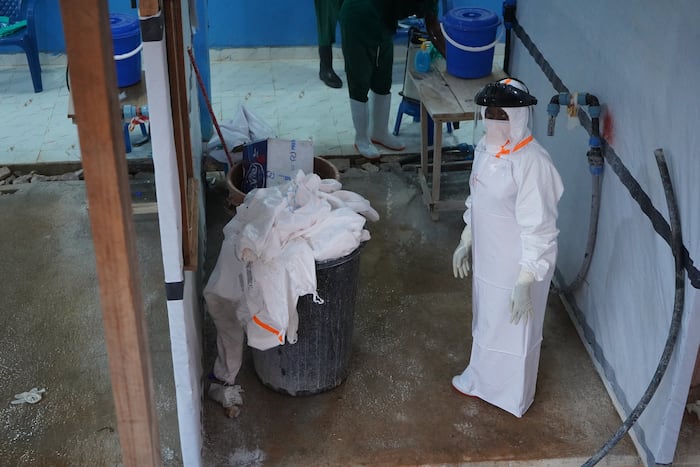
Robert Ndjalonga, head of civil protection in Ituri province, has highlighted the dangerous working conditions facing burial teams and healthcare workers. Traditional burial practices, which involve direct contact with deceased individuals, significantly increase transmission risks, yet many communities refuse to allow safe burial protocols.
“The biggest challenge remains resistance from or outright refusal by some communities to accept response teams,” Ndjalonga explained. “On several occasions, burial teams have had to be escorted by security forces to ensure that safe and dignified burials could be carried out without incident.”
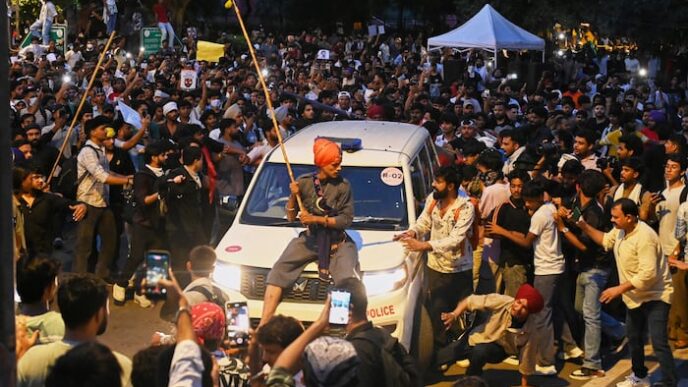
The situation has deteriorated to the point where attacks on health facilities and response teams have forced frontline workers and humanitarian organizations to evacuate certain areas. In a recent incident in Bunia during the week of July 14, 2026, assailants threw stones at a burial team’s vehicle, injuring one member.
Systemic Failures Undermining Containment Efforts
Beyond security challenges, humanitarian workers on the ground report significant systemic failures hampering the outbreak response. Anonymous sources have cited several critical issues:
- Poor coordination between various response agencies
- Significant delays in transferring patients to treatment centers
- Wait times exceeding four days for some Ebola test results
- Shortages of burial supplies causing response delays
- Some health zones lacking operational burial teams entirely
- Unpaid health workers going on strike since the outbreak began
The military administrator of Irumu territory in Ituri province recently made a striking declaration, describing Ebola as a greater threat than the Islamic State-affiliated Allied Democratic Forces insurgency that has terrorized the region for years. This assessment underscores the severity of the public health crisis unfolding in central Africa.
As the international community watches this tragedy unfold, health officials continue to plead for increased funding, medical supplies, and coordinated global support to prevent this outbreak from escalating into an even larger catastrophe that could potentially spread beyond Congo’s borders.