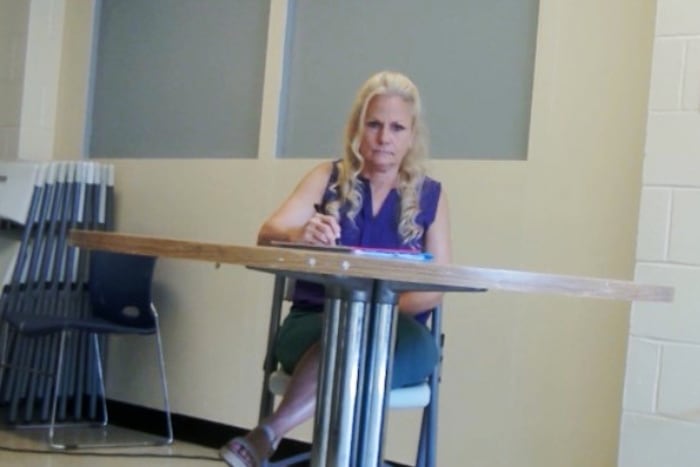
A New Hampshire judge is now deliberating on whether to grant Pamela Smart, one of America’s most notorious convicted murderers, the opportunity for a new trial after more than three decades behind bars. On July 20, 2026, attorneys for the 58-year-old woman appeared before Merrimack County Superior Court Judge James Kennedy, presenting what they describe as compelling evidence of constitutional violations during her original trial.
Smart has been serving a life sentence without the possibility of parole since her 1991 conviction for orchestrating the murder of her husband, Gregory Smart. The case captivated the nation and became one of the first criminal trials to be broadcast live on television from beginning to end, setting a precedent for courtroom media coverage that would define future high-profile cases.
The Crime That Shocked New Hampshire
The case dates back to 1990, when Pamela Smart was a 22-year-old media coordinator at a New Hampshire high school. Prosecutors alleged that she seduced a 15-year-old student and manipulated him into killing her husband in their Derry home. The teenager who pulled the trigger was released from prison in 2015 after serving a 25-year sentence, while Smart has remained incarcerated, consistently maintaining that she had no knowledge of the murder plot.
The stark difference in sentences between the triggerman and the alleged mastermind has fueled ongoing debate about the fairness of Smart’s punishment. Her case has been the subject of numerous books, documentaries, and even inspired the Nicole Kidman film “To Die For,” keeping public interest alive for more than three decades.
Defense Claims Evidence Was Manipulated
Smart’s legal team, led by attorney Matthew Zernhelt, is building their case around what they claim are serious flaws in how evidence was presented to the jury. At the heart of their argument are transcripts of secretly recorded conversations that allegedly contained words that were never actually audible on the original tapes.
The defense specifically challenges the accuracy of several crucial phrases that appeared in the transcripts provided to jurors:
- The word “killed” in the sentence “you had your husband killed”
- The word “busted” in the phrase “I’m gonna be busted”
- The word “murder” in “this would have been the perfect murder”
“Modern science confirms what common sense has always told us: when people are handed a script, they inevitably hear the words they are shown. Jurors were not evaluating the recordings independently — they were being directed toward a conclusion, and that direction decided the verdict.”
The defense presented forensic studies demonstrating that when listeners are given transcripts alongside unclear audio, they tend to hear what they read rather than what is actually being said. This psychological phenomenon, the lawyers argue, fundamentally compromised the jury’s ability to independently evaluate the evidence.
Additional Constitutional Concerns Raised
Beyond the transcript issue, Smart’s attorneys have raised multiple other concerns about her original trial. They argue that the intense media coverage surrounding the case created an environment where a fair trial was impossible. The lawyers also contend that jury instructions were flawed, failing to properly explain that jurors could only consider evidence presented during the trial itself.
Perhaps most significantly, the defense argues that the mandatory life sentence without parole for being an accomplice to first-degree murder was improperly applied, claiming that New Hampshire law does not actually mandate such a sentence for that specific charge.
State Pushes Back Against New Trial Request
Prosecutors representing the State of New Hampshire have filed a motion to dismiss Smart’s petition entirely. Their argument centers on procedural grounds, asserting that nearly all of the claims being raised have either already been addressed and rejected by the New Hampshire Supreme Court or should have been raised in earlier appeals.
State attorneys pointed out that during the original trial, Smart’s defense team only objected to the transcripts regarding the “doubling” of voices when multiple people spoke simultaneously. The trial judge had instructed jurors to rely on what they heard if it differed from the written transcripts, and the Supreme Court previously noted that the defense never made specific claims about transcript inaccuracies at that time.
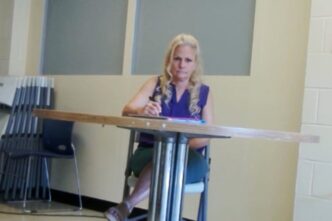
Judge Kennedy heard arguments from both sides during the July 20, 2026 hearing, which Smart attended remotely from the Bedford Hills Correctional Facility for Women in New York. The judge took the matter under advisement and indicated he would issue a ruling within 30 to 60 days, leaving Smart and her supporters waiting anxiously for a decision that could potentially reopen one of the most sensational murder cases in American history.