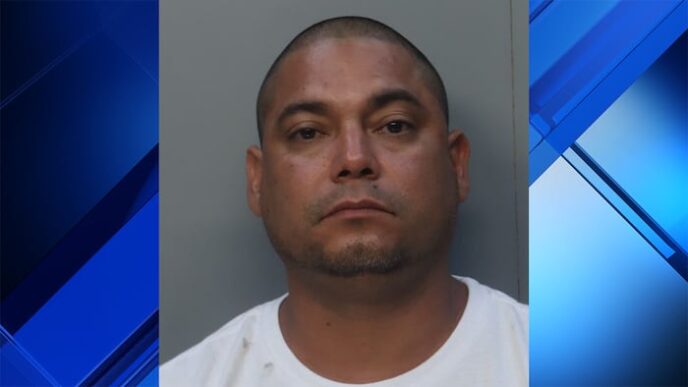
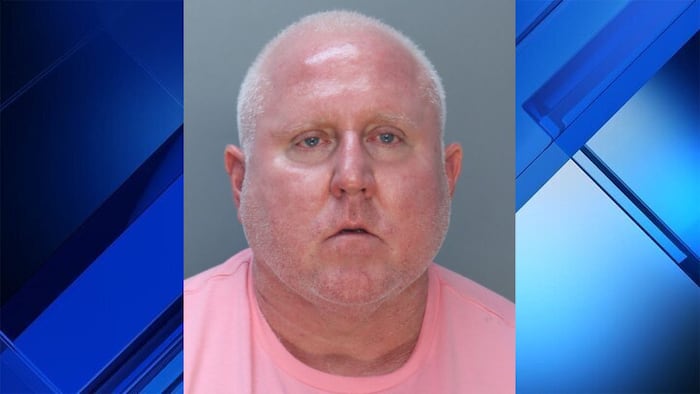
A senior officer with the Miami Police Department finds himself on the wrong side of the law once again, raising serious questions about accountability within the department’s leadership ranks. Lieutenant Thomas Carroll, 49, was taken into custody on driving under the influence charges in the early morning hours of July 20, 2026, according to officials from the agency.
Details of the Latest Arrest
The veteran law enforcement officer was booked into jail following his arrest, with records indicating he faced multiple charges stemming from the incident. In addition to the DUI charge, Carroll was also cited for refusing to submit to a breathalyzer test after having his license previously suspended, a serious offense that compounds his legal troubles.
The lieutenant posted bond and was released from custody shortly after being processed. However, his freedom came with immediate professional consequences that could permanently derail his career in law enforcement.
“Lt. Carroll has been relieved of duty pending the outcome of an internal investigation,” stated an MPD spokesperson regarding the officer’s employment status following the arrest.
Authorities have not released additional details surrounding the circumstances of the arrest, including where the traffic stop occurred or what initially drew officers’ attention to Carroll’s vehicle. The investigation remains ongoing as of the evening of July 19, 2026.
A Troubling Pattern of Legal Problems
This latest arrest is not an isolated incident for the high-ranking officer. Carroll made headlines in late 2024 when he was arrested in connection with a domestic violence case, an incident that raised eyebrows throughout the Miami law enforcement community. The outcome of that case remains unclear, as records no longer appear in the Miami-Dade court system.
The disappearance of those court records has sparked questions among community members and legal observers who are now watching this new case closely. The pattern of arrests involving a lieutenant-level officer has put the department in an uncomfortable spotlight.
What This Means for the Miami Police Department
The arrest of a lieutenant carries significant implications for the Miami Police Department, which has worked to maintain public trust in recent years. Key concerns arising from this situation include:
- Leadership accountability within the department’s upper ranks
- The handling of previous legal matters involving the same officer
- Public perception of the department’s internal standards
- The outcome of the pending internal investigation
- Whether Carroll will face termination or additional disciplinary action
Community advocates have begun calling for transparency in how the department handles cases involving its own officers, particularly those in supervisory positions who are expected to model exemplary behavior.
Legal Consequences and Next Steps
The charges facing Lieutenant Carroll carry serious potential penalties under Florida law. A DUI conviction alone can result in license suspension, mandatory alcohol education programs, fines, and even jail time depending on the circumstances and prior history. The additional charge of refusing a breathalyzer test after a license suspension compounds these potential penalties significantly.
Legal experts note that Florida takes a particularly dim view of individuals who refuse chemical testing when their driving privileges have already been restricted. This could mean enhanced penalties if Carroll is ultimately convicted of the charges against him.
The internal investigation conducted by the Miami Police Department will run parallel to any criminal proceedings. Even if Carroll were to beat the criminal charges, the department maintains separate standards of conduct that could still result in disciplinary action up to and including termination.
The Miami community will be watching closely as both the criminal case and internal review proceed. For many residents, this case represents a test of whether the department holds its own members to the same standards it applies to the public it serves. The coming weeks will be critical in determining both Carroll’s future and the department’s commitment to accountability at all levels of its organization.