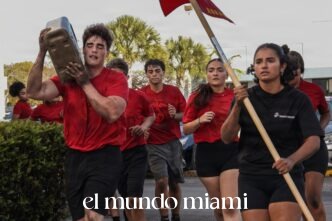
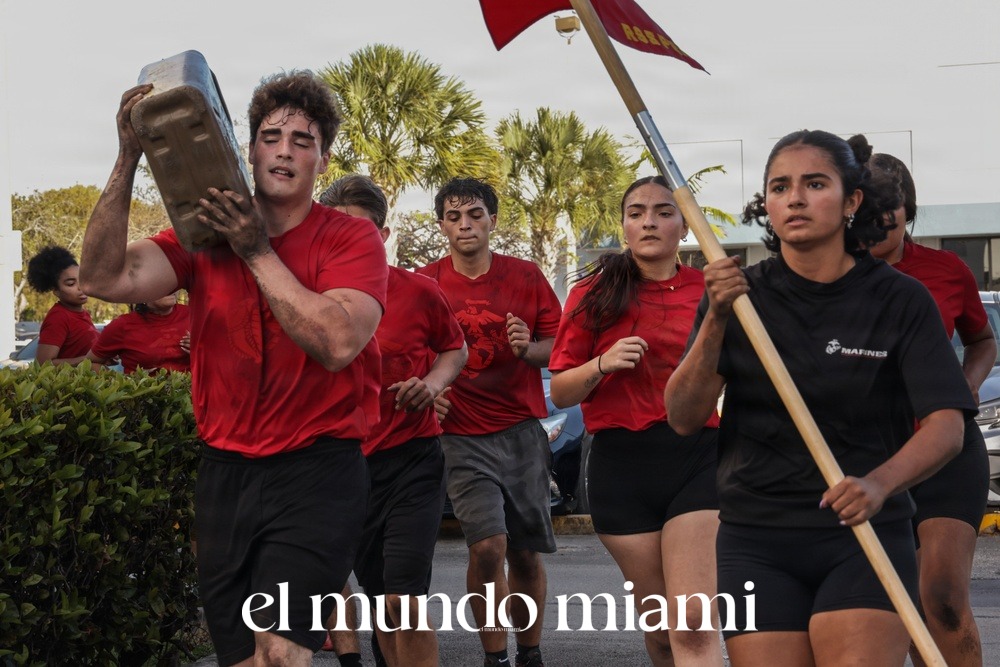
The Coast Guard Pool Miami initiative recently brought together military personnel for a critical training exercise designed to enhance readiness and operational capabilities in South Florida’s strategic maritime corridor. This collaborative effort demonstrates the ongoing commitment to maintaining peak performance among service members stationed in one of the nation’s busiest coastal regions.
The exercise, officially designated as Pool Function Miami, took place at a key military installation and involved multiple units working together to refine essential skills. As maritime threats continue to evolve, such training operations remain vital to national security infrastructure.
Understanding the Pool Function Miami Exercise
The Pool Function Miami training event represents a coordinated effort to ensure Coast Guard personnel maintain proficiency in critical operational areas. These exercises typically encompass water rescue techniques, survival training, and inter-unit coordination that proves essential during real-world emergencies.
Military training pools serve as controlled environments where service members can safely practice high-stakes scenarios. The Miami location provides particular strategic value given the region’s role as a primary gateway for maritime traffic between the United States, the Caribbean, and Latin America.
Personnel participating in these exercises undergo rigorous evaluation to ensure they meet the demanding standards required for active duty operations. The controlled pool environment allows instructors to simulate various emergency conditions without exposing trainees to unnecessary risks.
Strategic Importance of Miami-Based Training
Miami’s geographic position makes it an ideal location for Coast Guard training operations. The city sits at the crossroads of major shipping lanes, recreational boating routes, and international maritime corridors that require constant vigilance.
The Coast Guard’s Seventh District, headquartered in Miami, oversees operations spanning from South Carolina to the Caribbean. This vast area of responsibility demands personnel who can respond effectively to diverse challenges, from search and rescue missions to law enforcement operations.
Training exercises like Pool Function Miami help build the muscle memory and team cohesion necessary for successful mission outcomes. When seconds count during an actual emergency, the repetition gained through these exercises can mean the difference between life and death.
Key Components of the Training Exercise
The Pool Function Miami exercise incorporated several essential training elements that Coast Guard personnel must master. These components reflect the diverse mission set that modern service members face daily.
Water Survival Techniques
Participants practiced water survival skills designed to prepare them for scenarios where they might find themselves in distress. These techniques include treading water for extended periods, signaling for rescue, and conserving energy in challenging conditions.
Rescue Operations Practice
Service members refined their ability to extract individuals from the water safely. This training proves invaluable during hurricane response, boating accidents, and other maritime emergencies common to the Florida coastline.
Equipment Proficiency
Modern Coast Guard operations rely on sophisticated equipment ranging from personal flotation devices to communication gear. The pool environment allows trainees to become familiar with this equipment under controlled conditions.
Interagency Cooperation and Readiness
Pool Function Miami also emphasized the importance of interagency cooperation in modern military operations. Coast Guard units frequently work alongside other military branches, local law enforcement, and civilian agencies during complex operations.
The exercise provided opportunities for personnel from different units to develop working relationships and communication protocols. This networking proves invaluable when these same individuals must coordinate during actual emergencies.
Building these connections during training exercises reduces confusion and improves response times when real situations unfold. The relationships forged during events like Pool Function Miami create a foundation for seamless cooperation.
Impact on Local Military Readiness
The successful completion of Pool Function Miami contributes to overall military readiness in the South Florida region. Each trained service member represents increased capability for responding to the diverse challenges facing coastal communities.
Florida’s coastline faces unique threats including frequent severe weather events, high volumes of recreational boating activity, and significant commercial maritime traffic. The Coast Guard must maintain readiness to address all these potential scenarios simultaneously.
Training investments like this exercise demonstrate the military’s commitment to protecting American lives and interests. Every hour spent in the training pool translates to improved performance when lives hang in the balance.
Looking Ahead: Future Training Initiatives
Military leaders continue developing new training programs to address emerging challenges. The success of Pool Function Miami provides a template for future exercises that can build upon established protocols while incorporating lessons learned.
Technology advancements will likely play an increasing role in future training exercises. Virtual reality, advanced simulation systems, and data analytics all offer opportunities to enhance traditional training methods.
However, the fundamental importance of hands-on water training remains unchanged. No simulation can fully replicate the physical and psychological demands of actual water operations, making exercises like Pool Function Miami irreplaceable.
The Coast Guard Pool Function Miami exercise exemplifies the dedication and professionalism that characterizes American military training programs. By investing in rigorous preparation, the Coast Guard ensures its personnel remain ready to answer the call whenever emergencies arise along our nation’s coastlines.